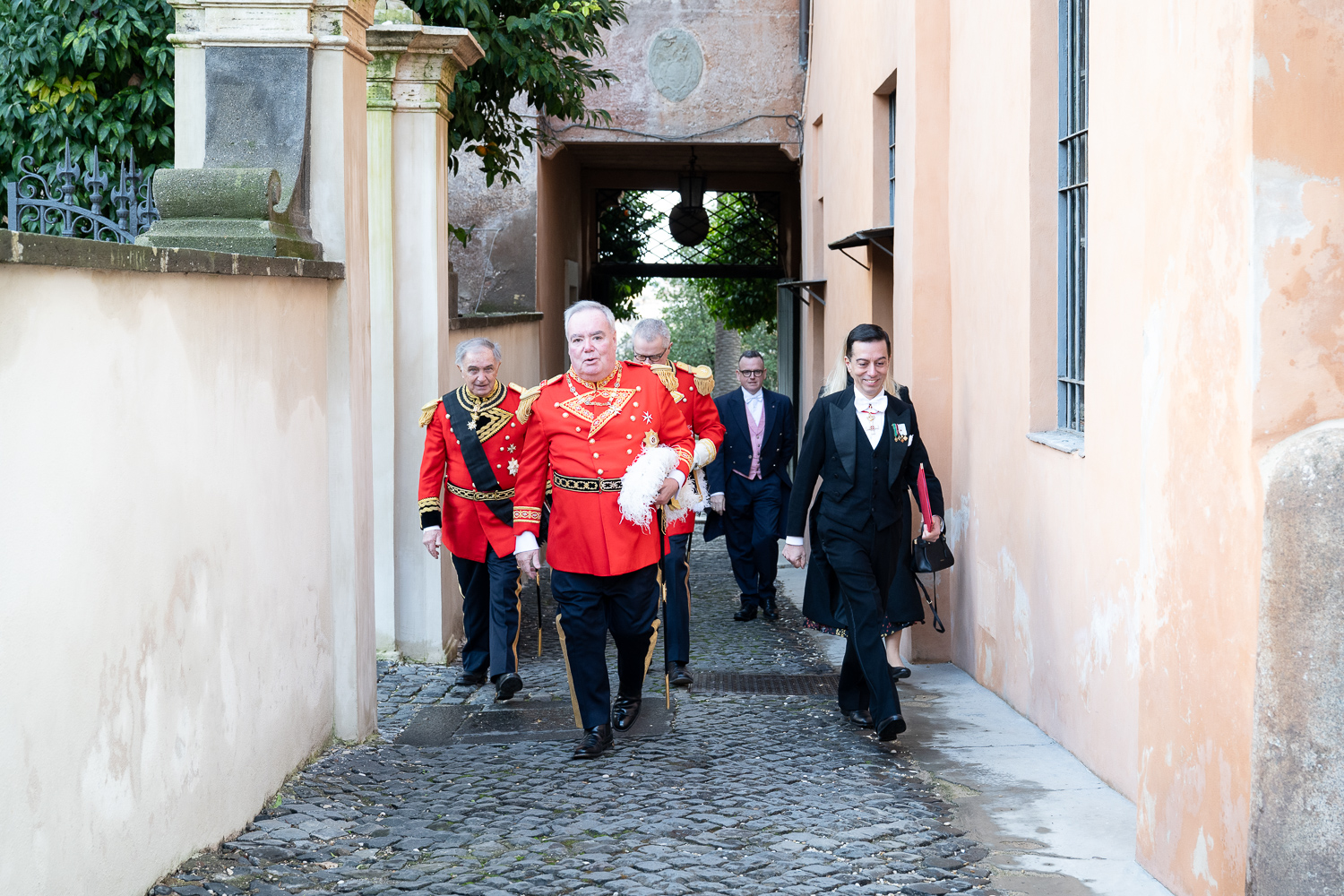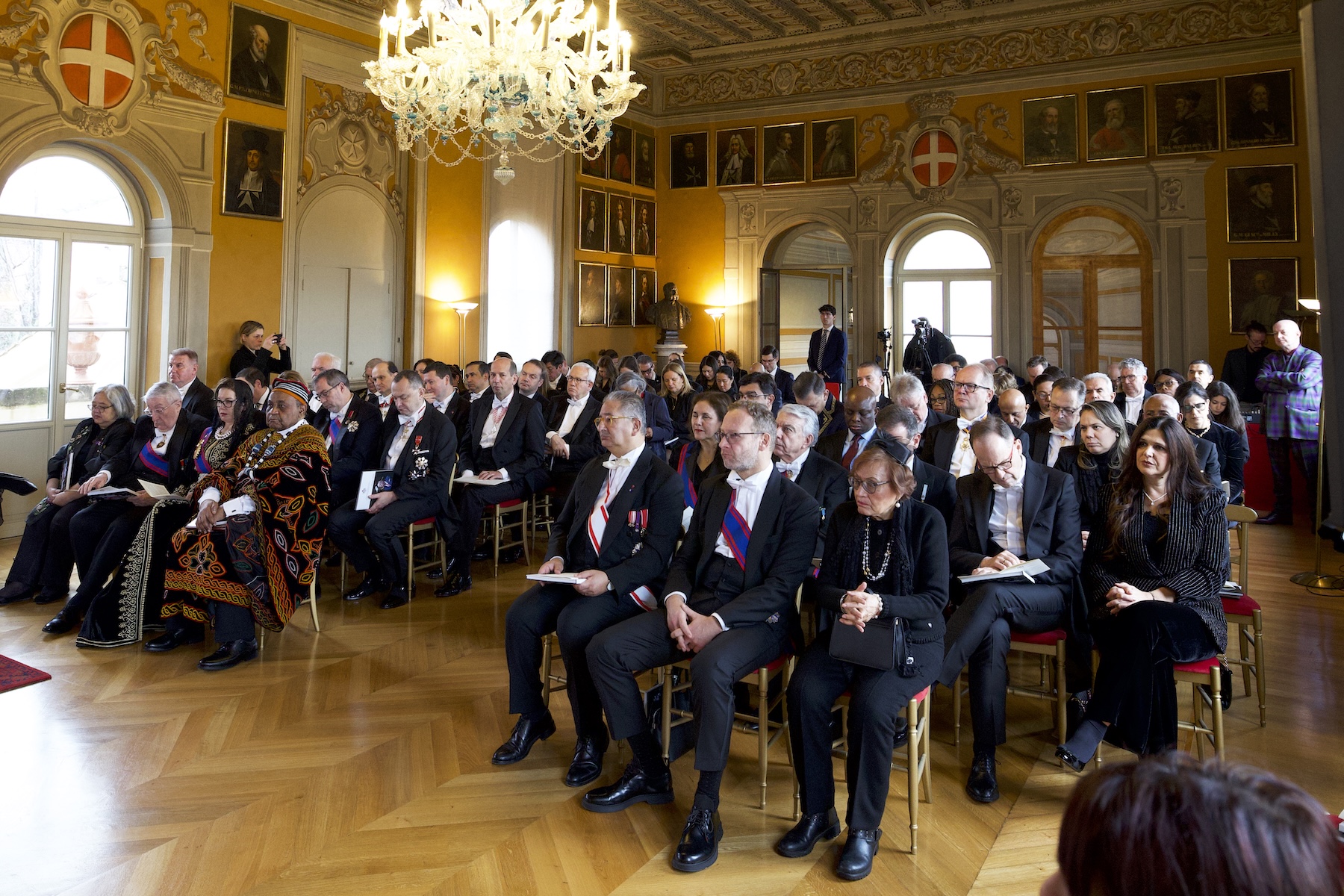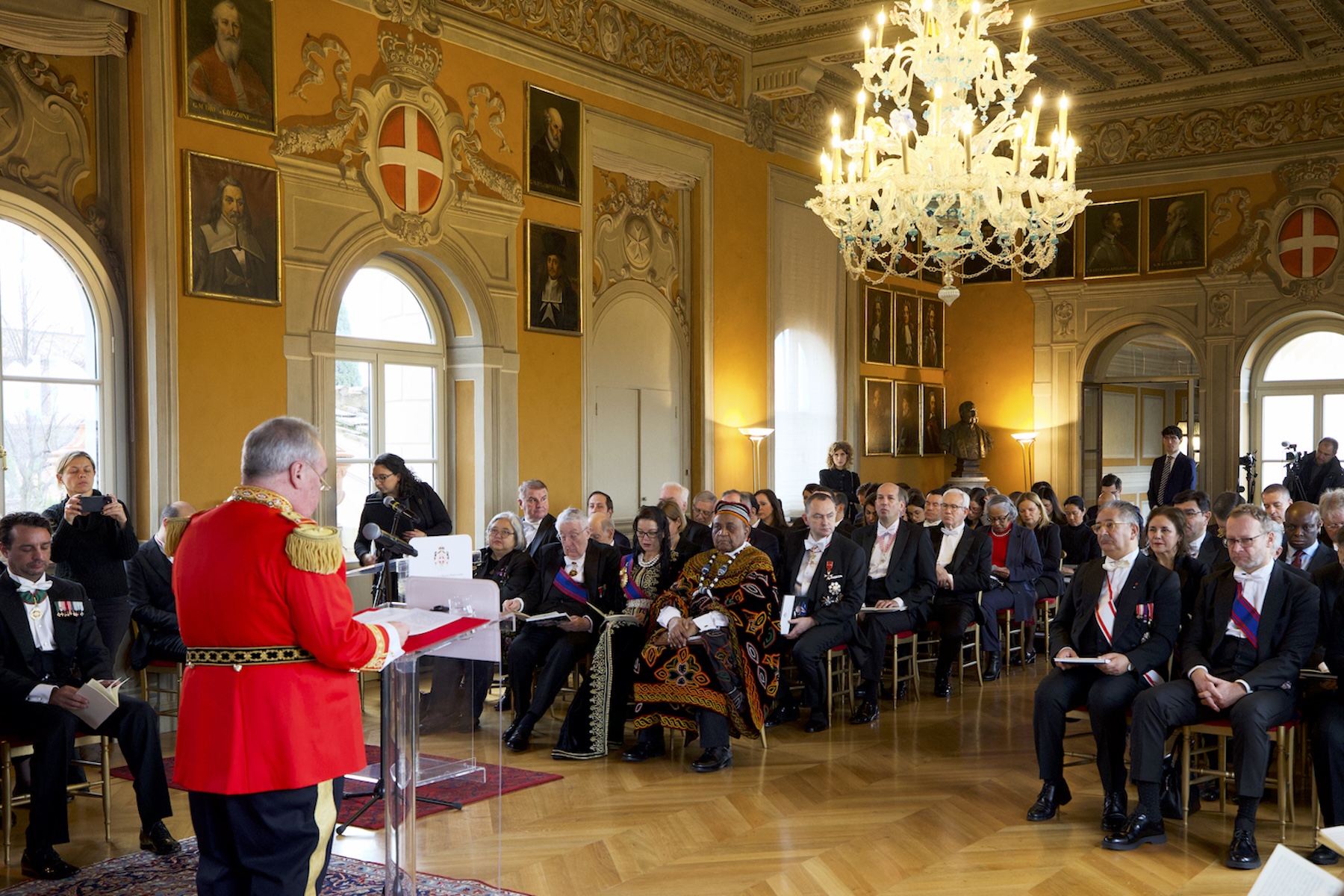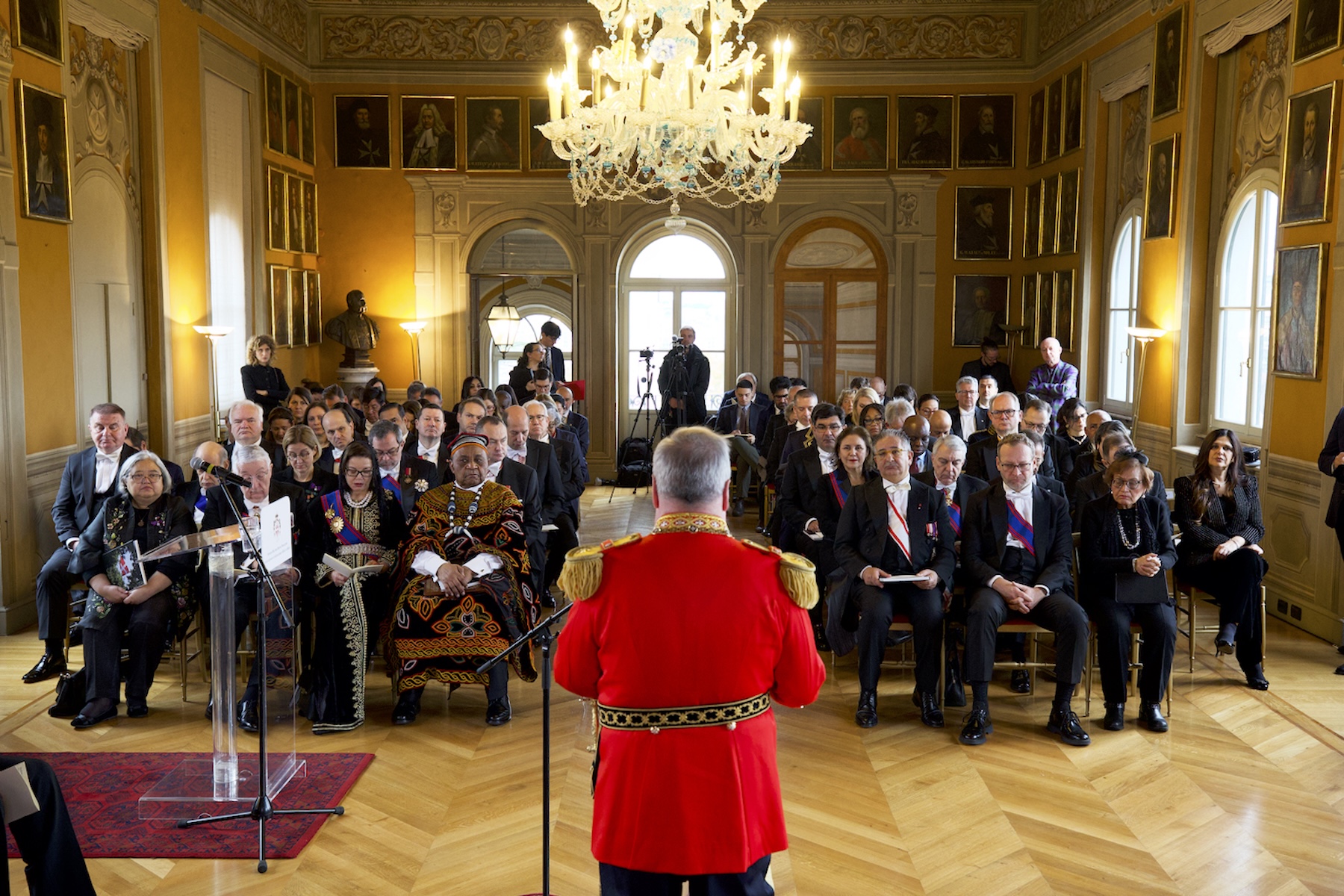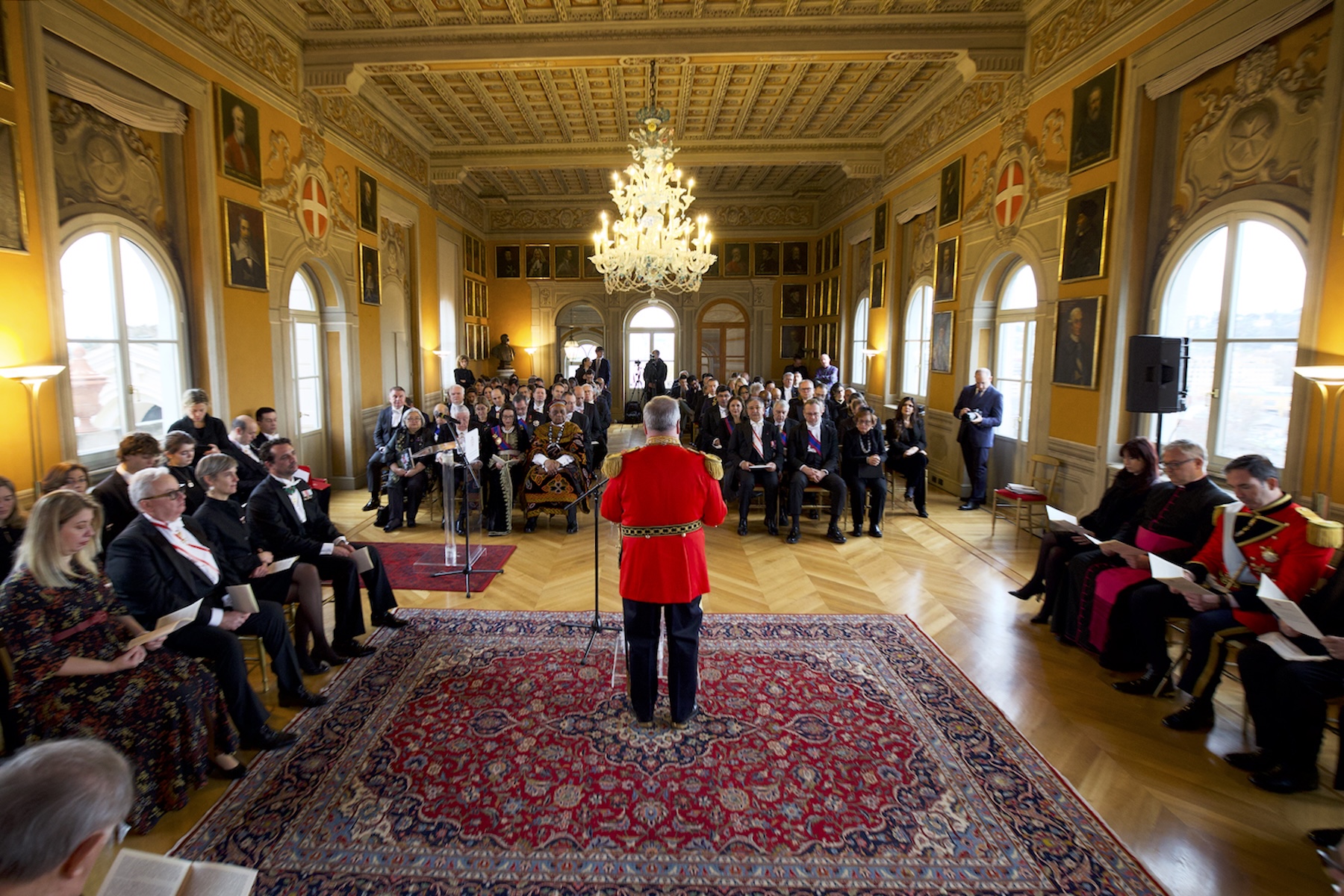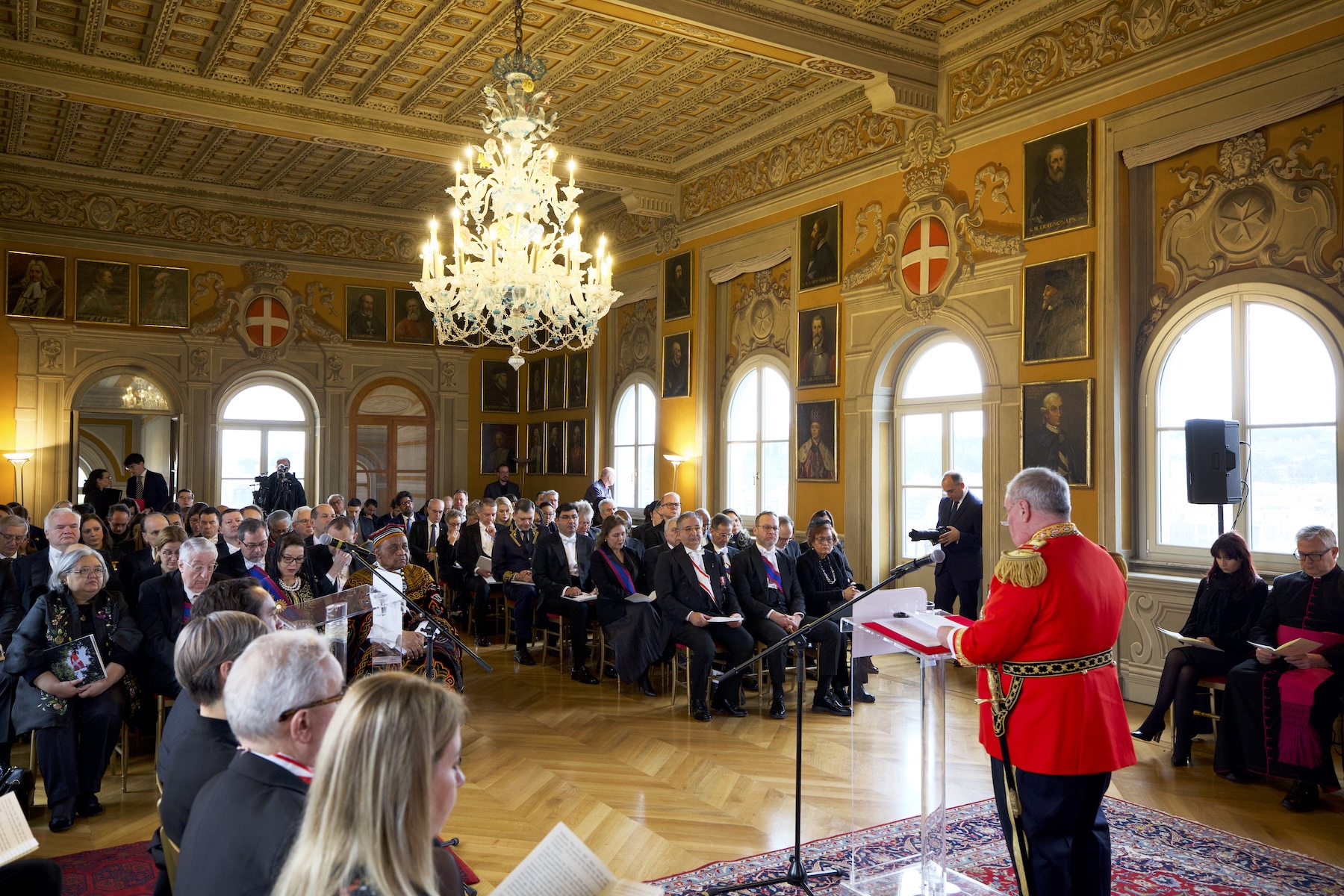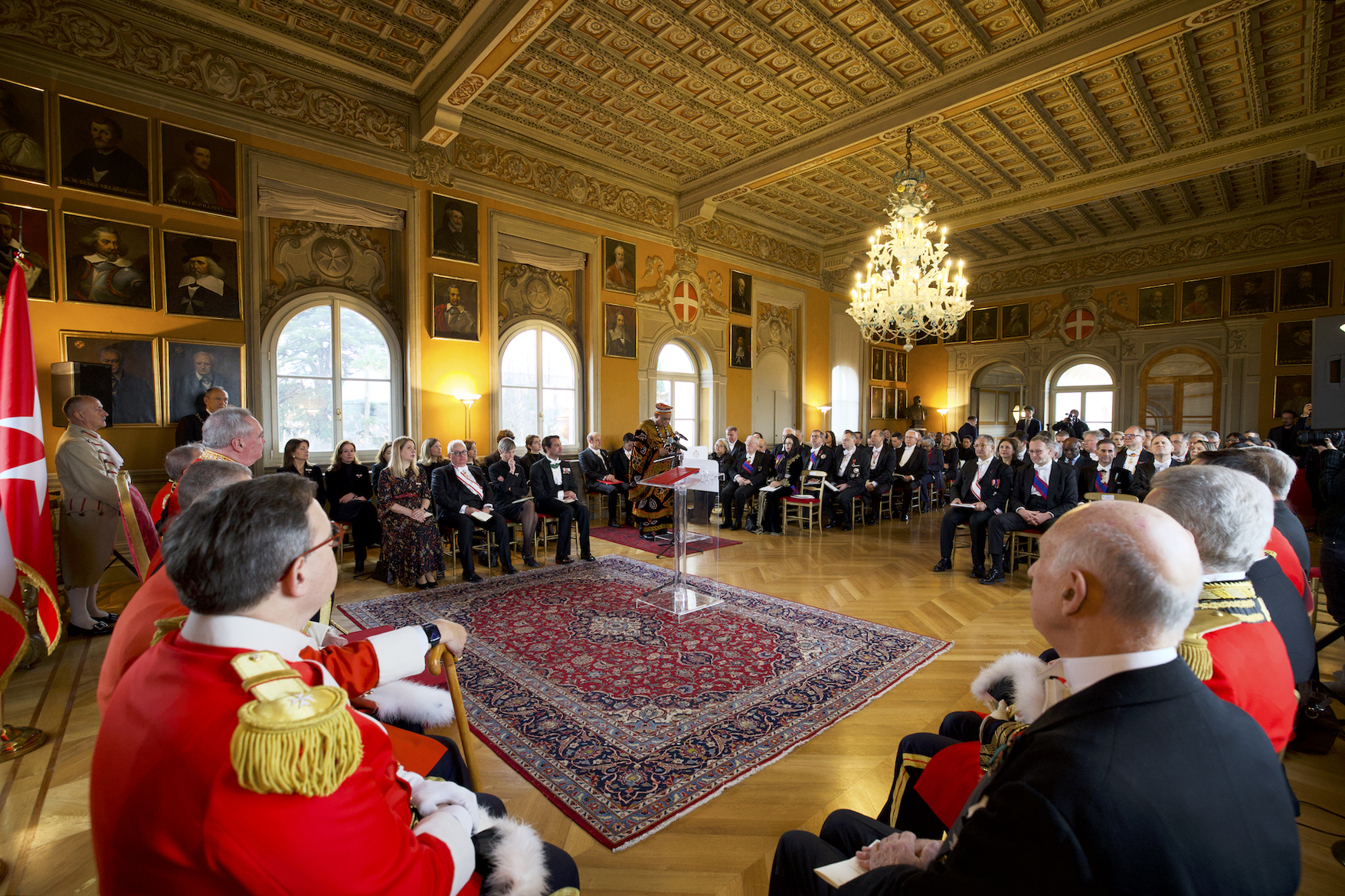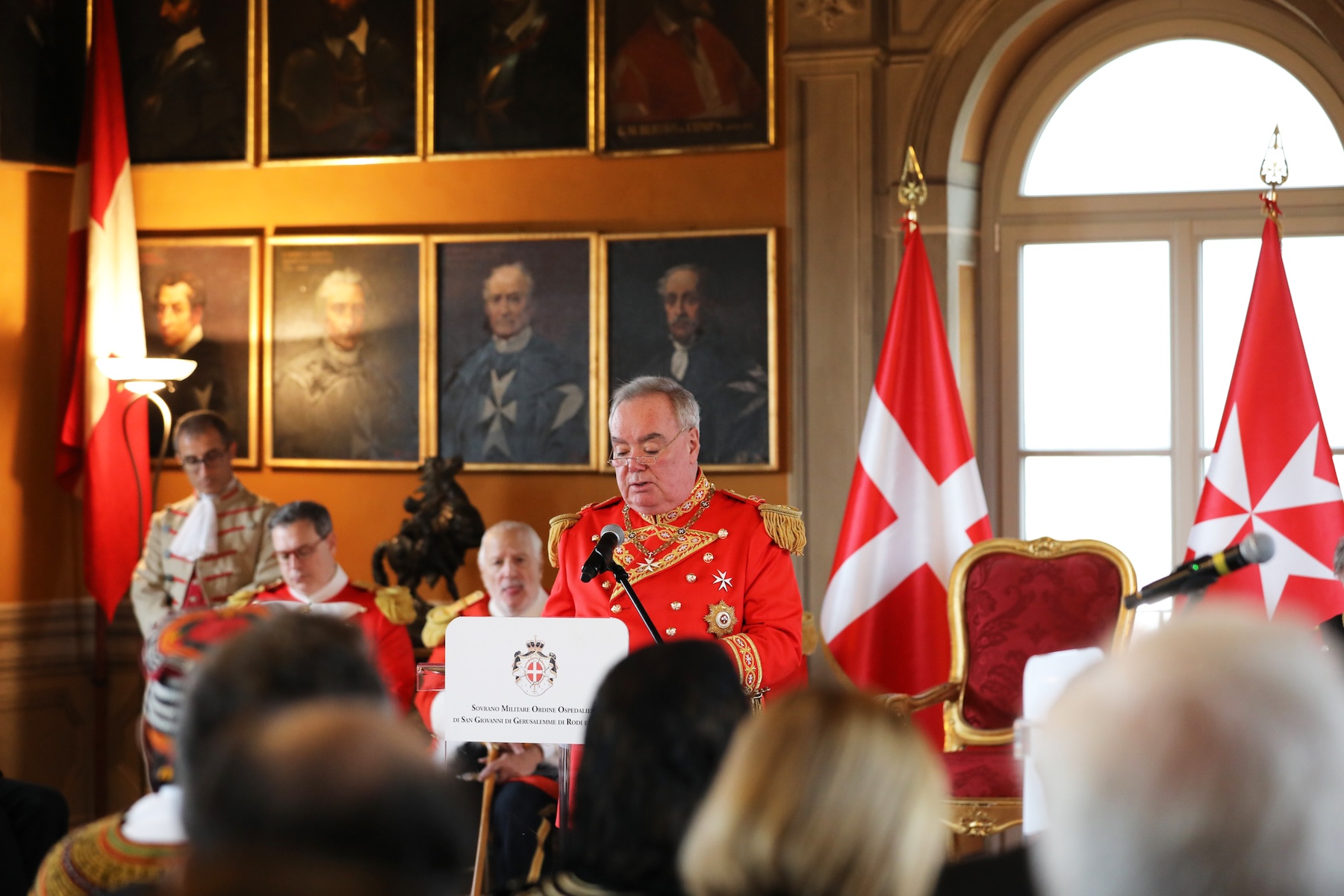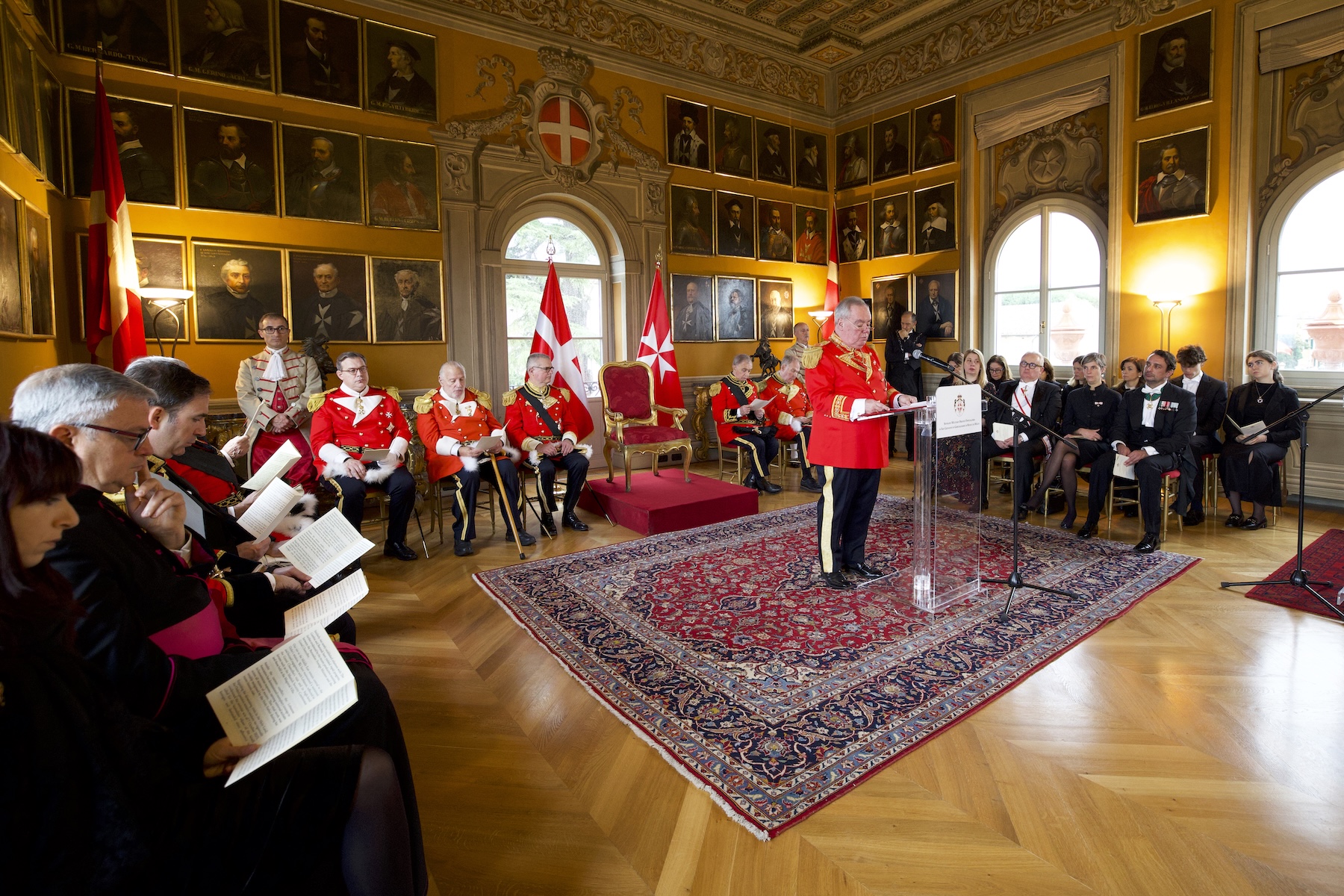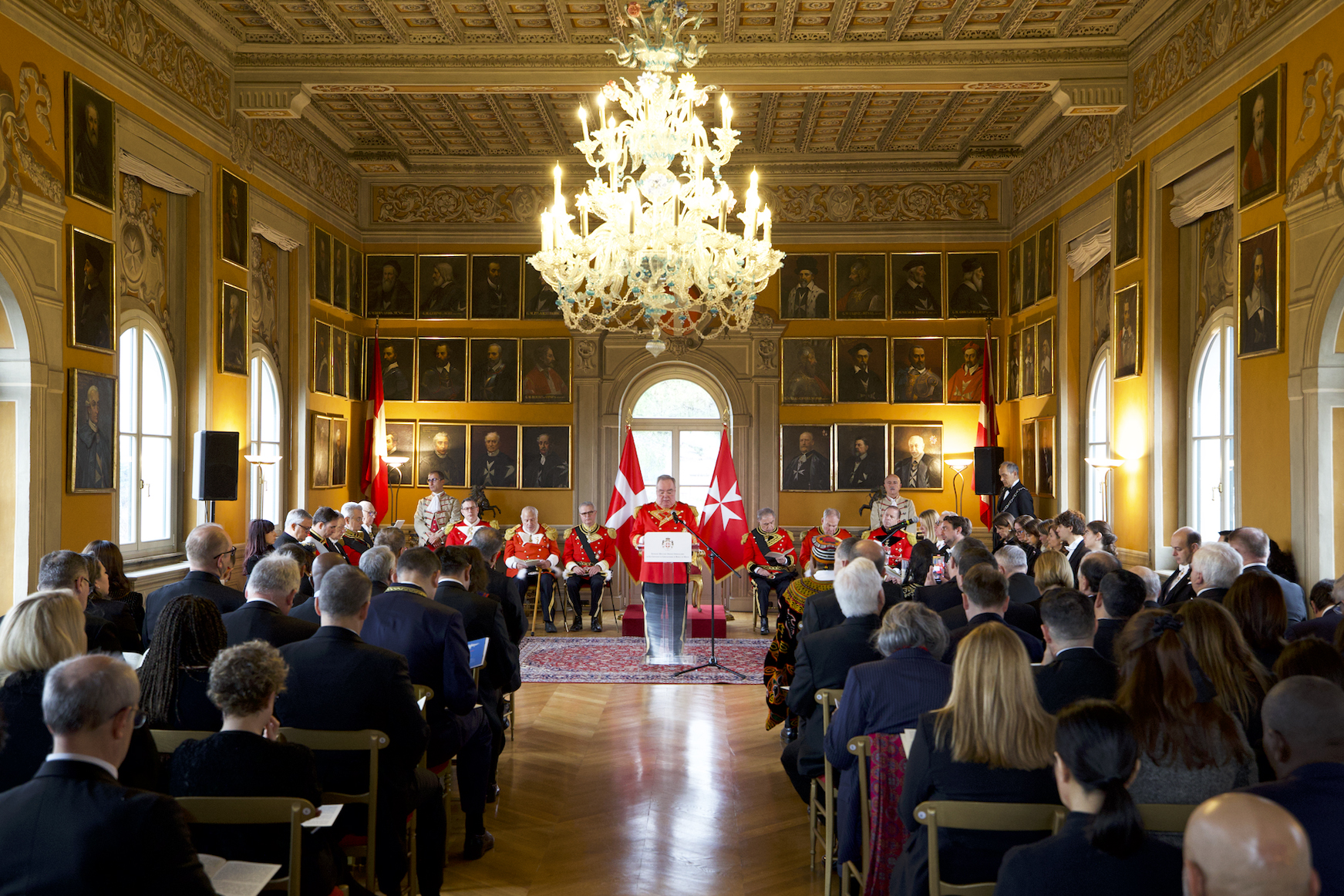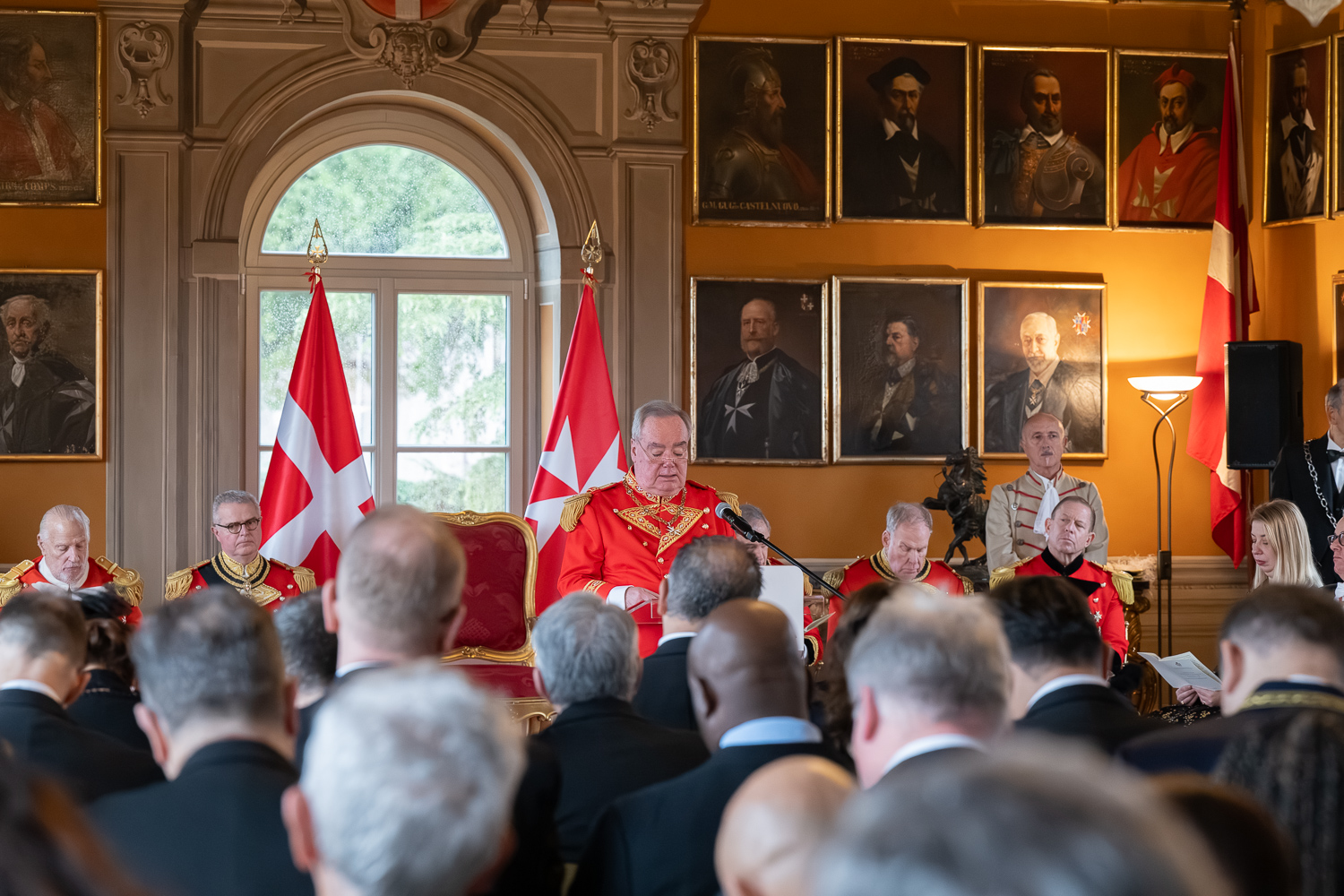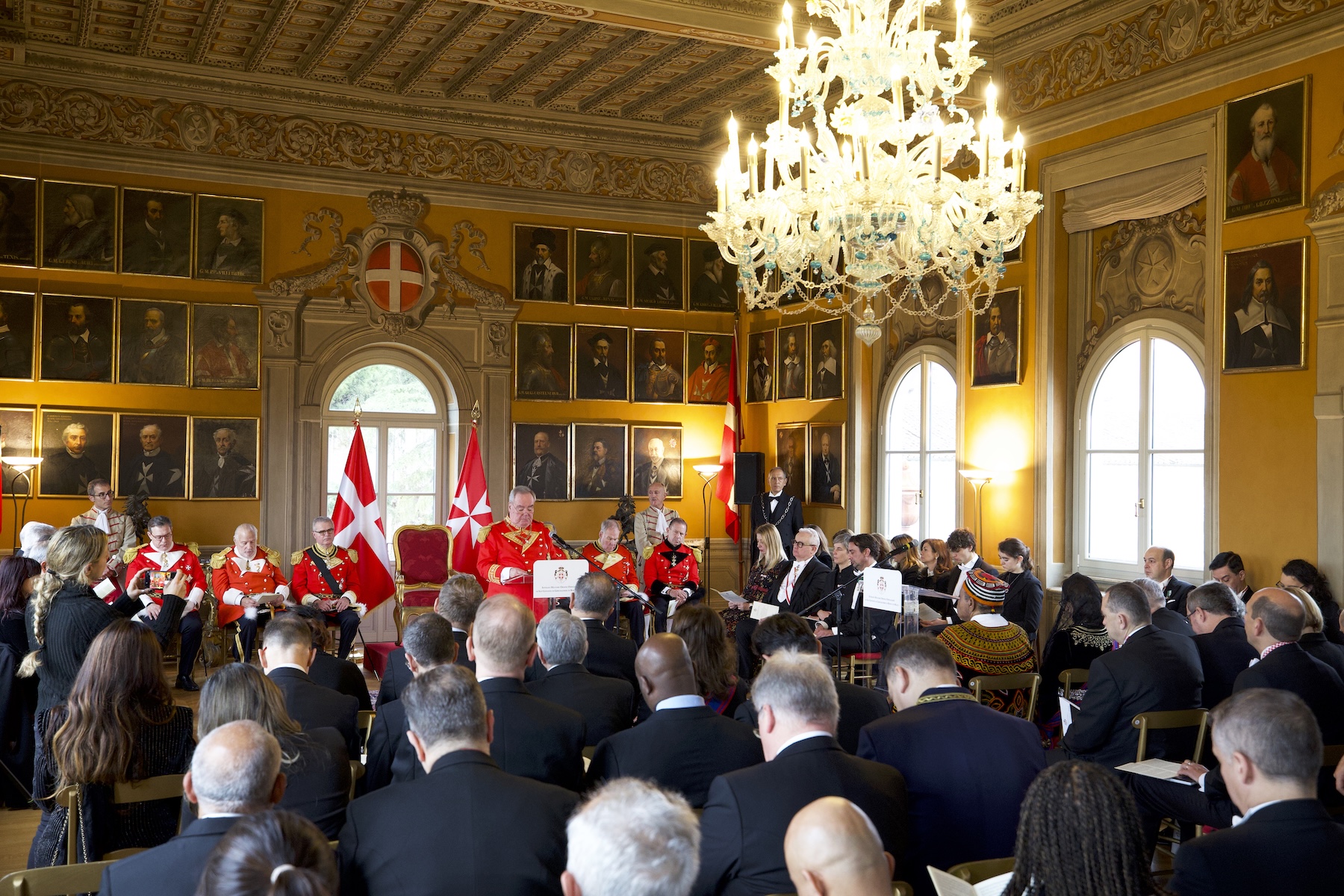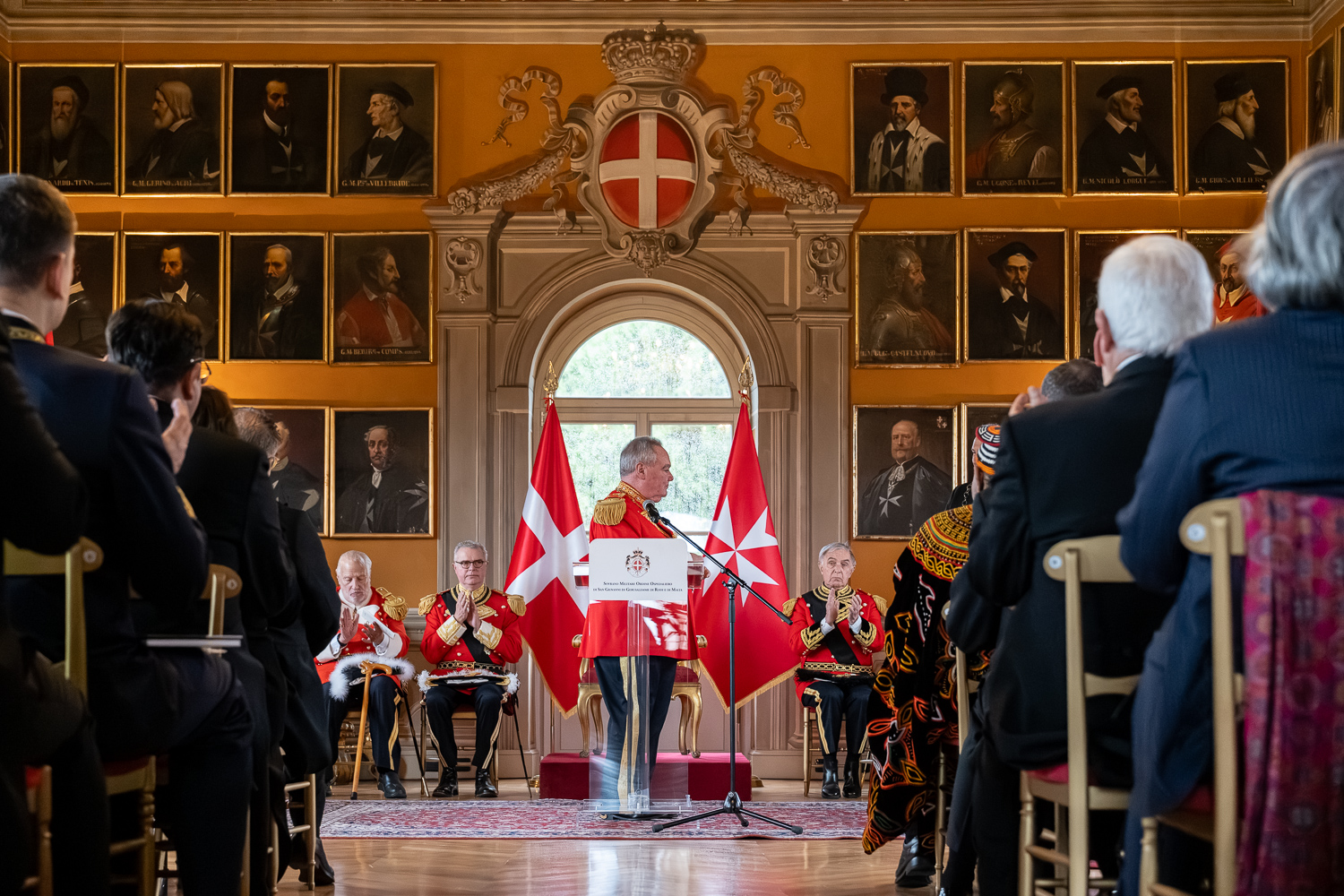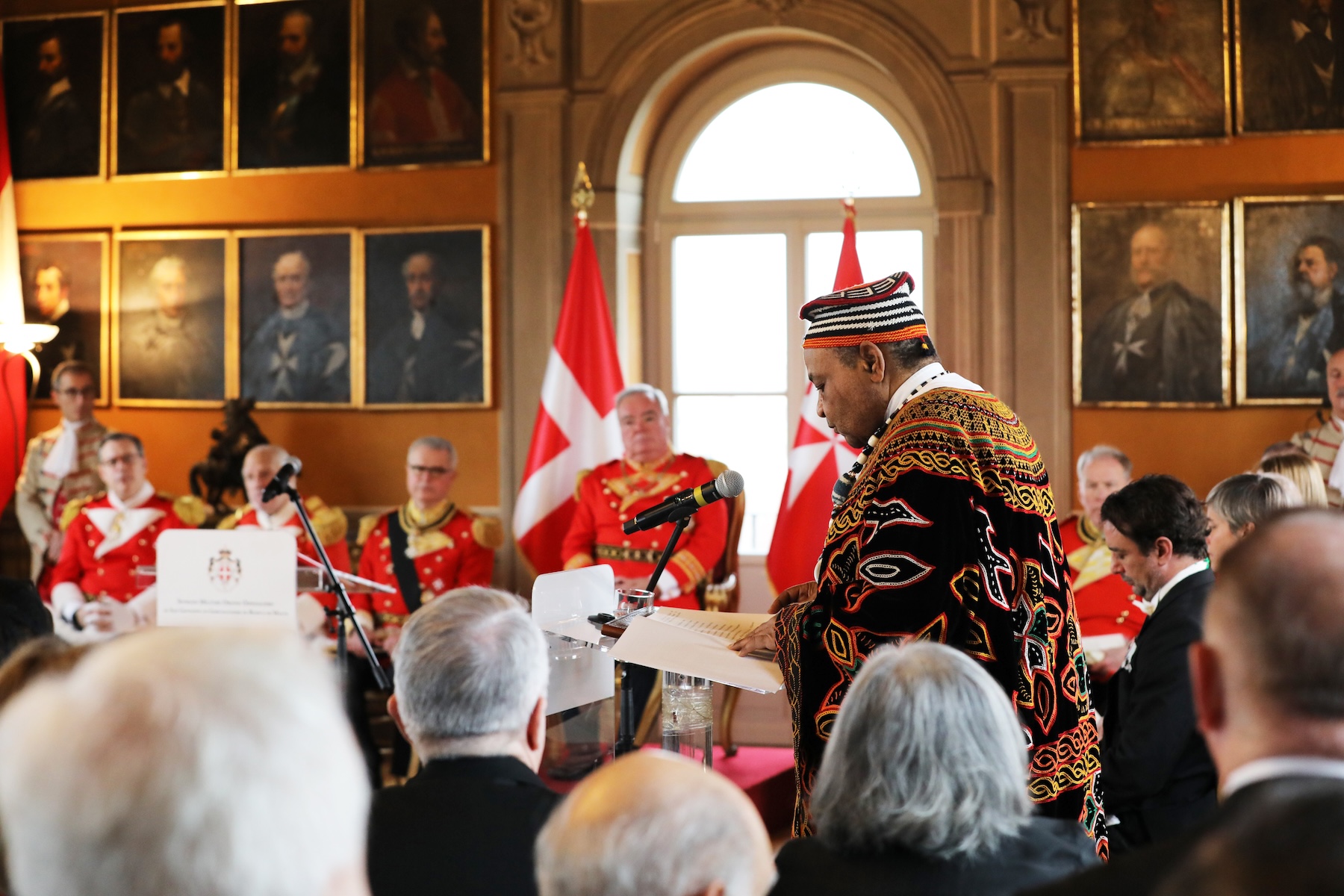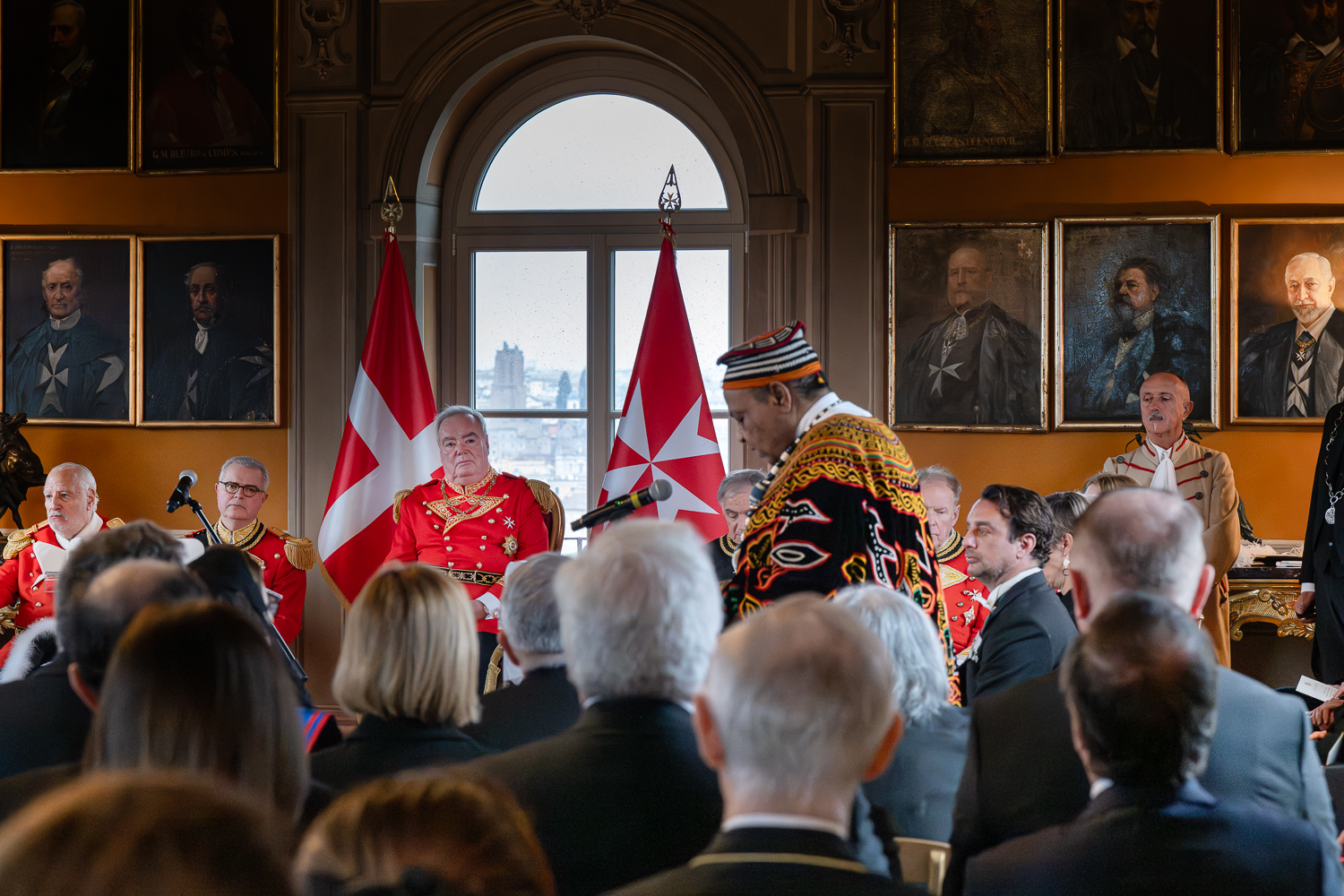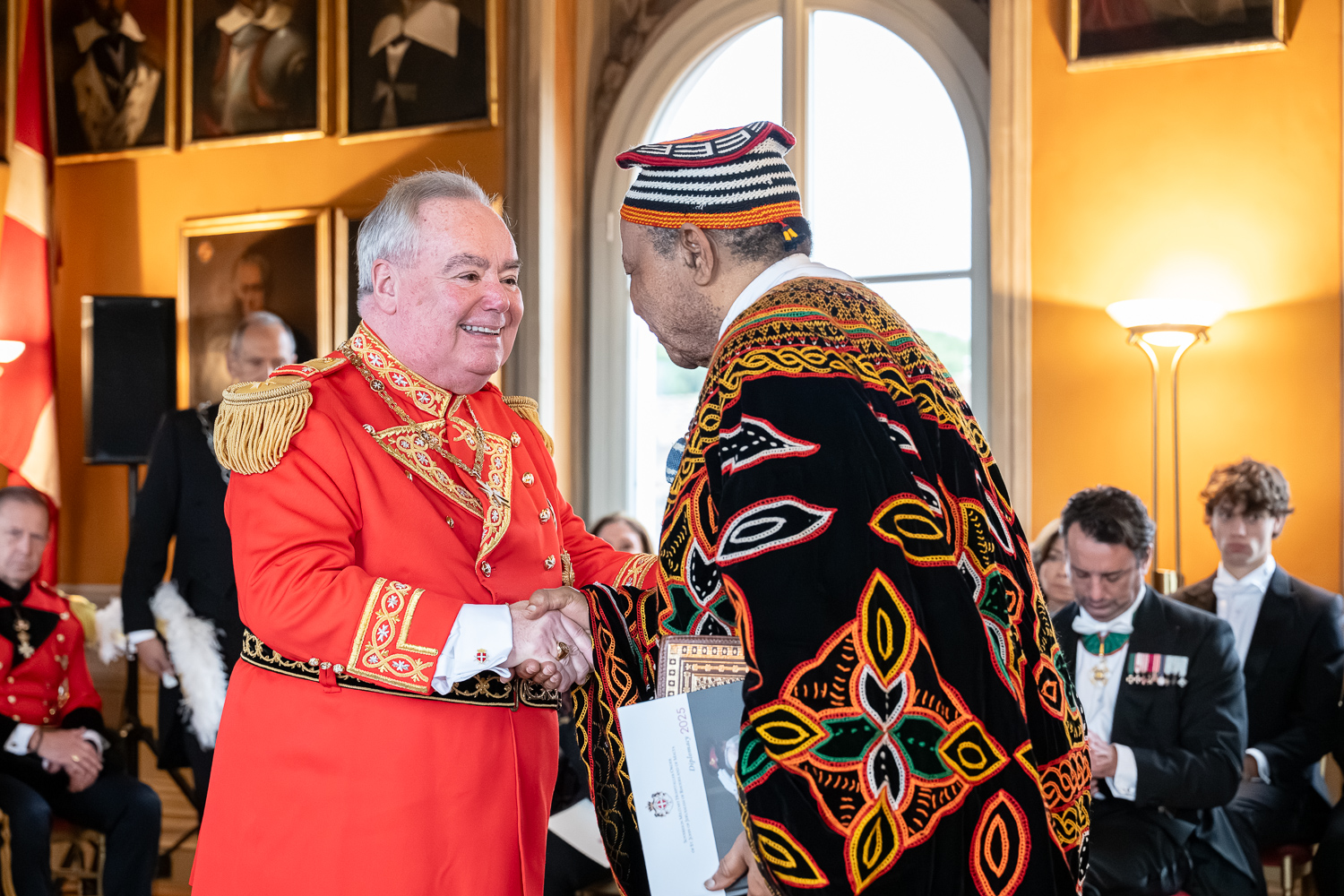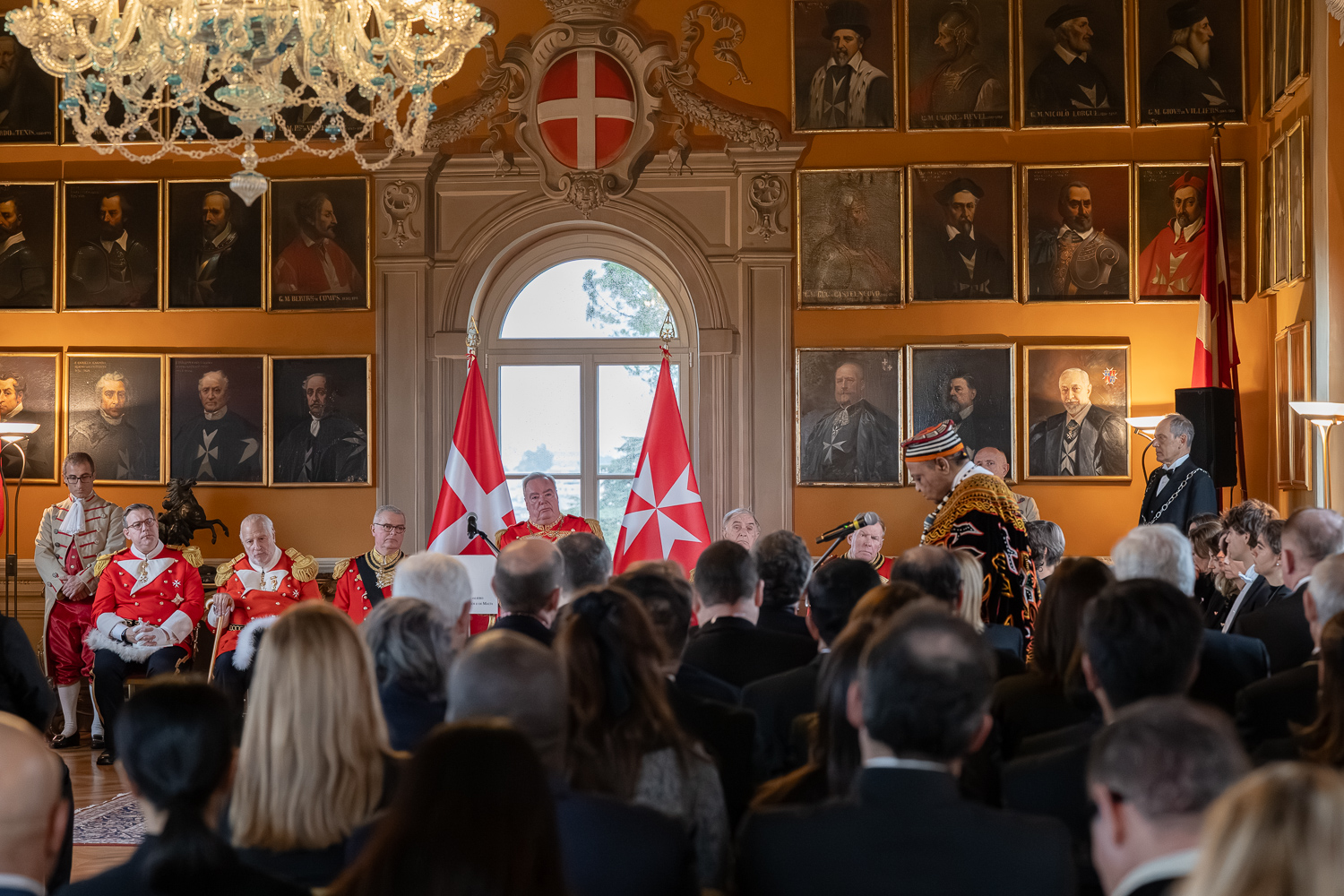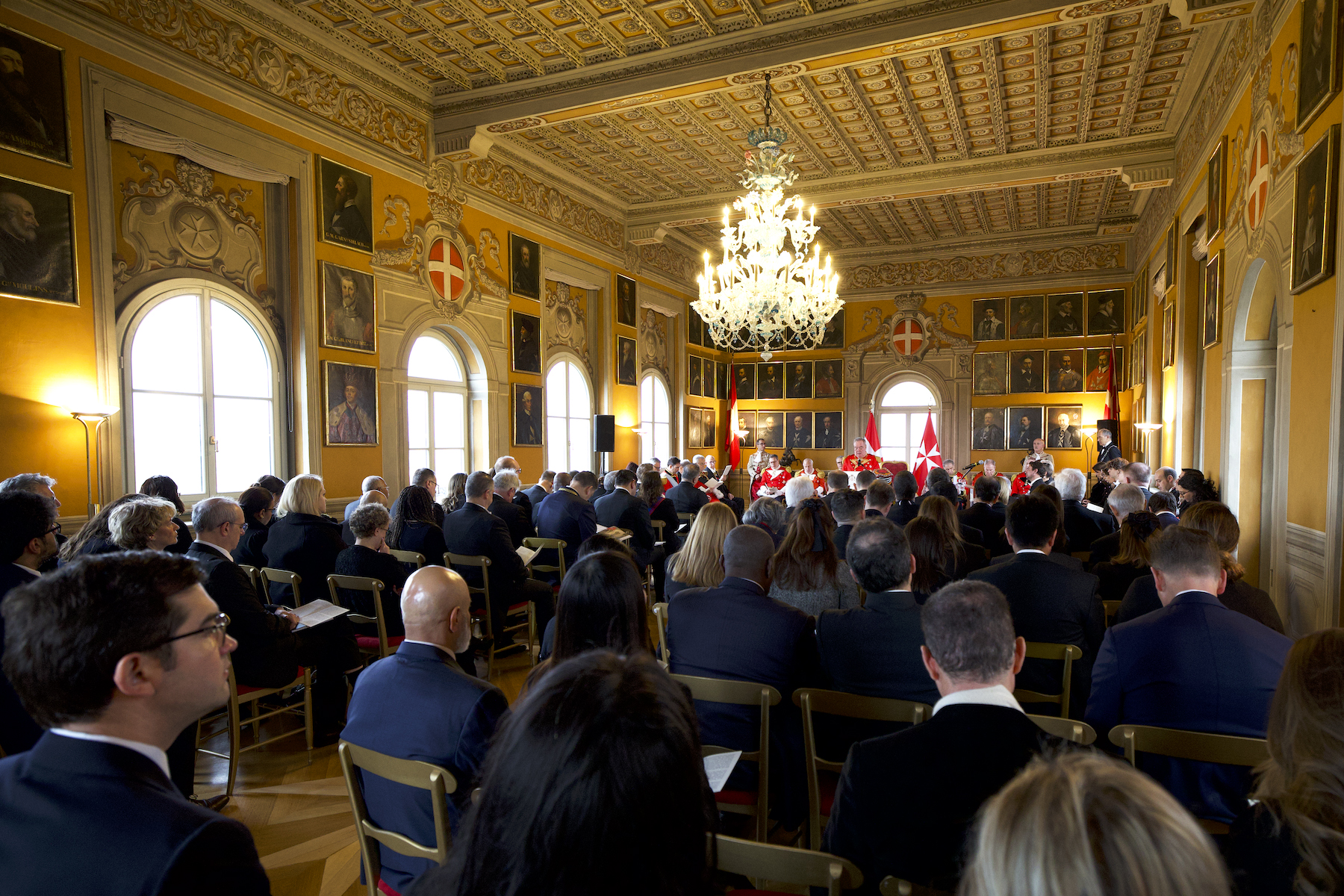
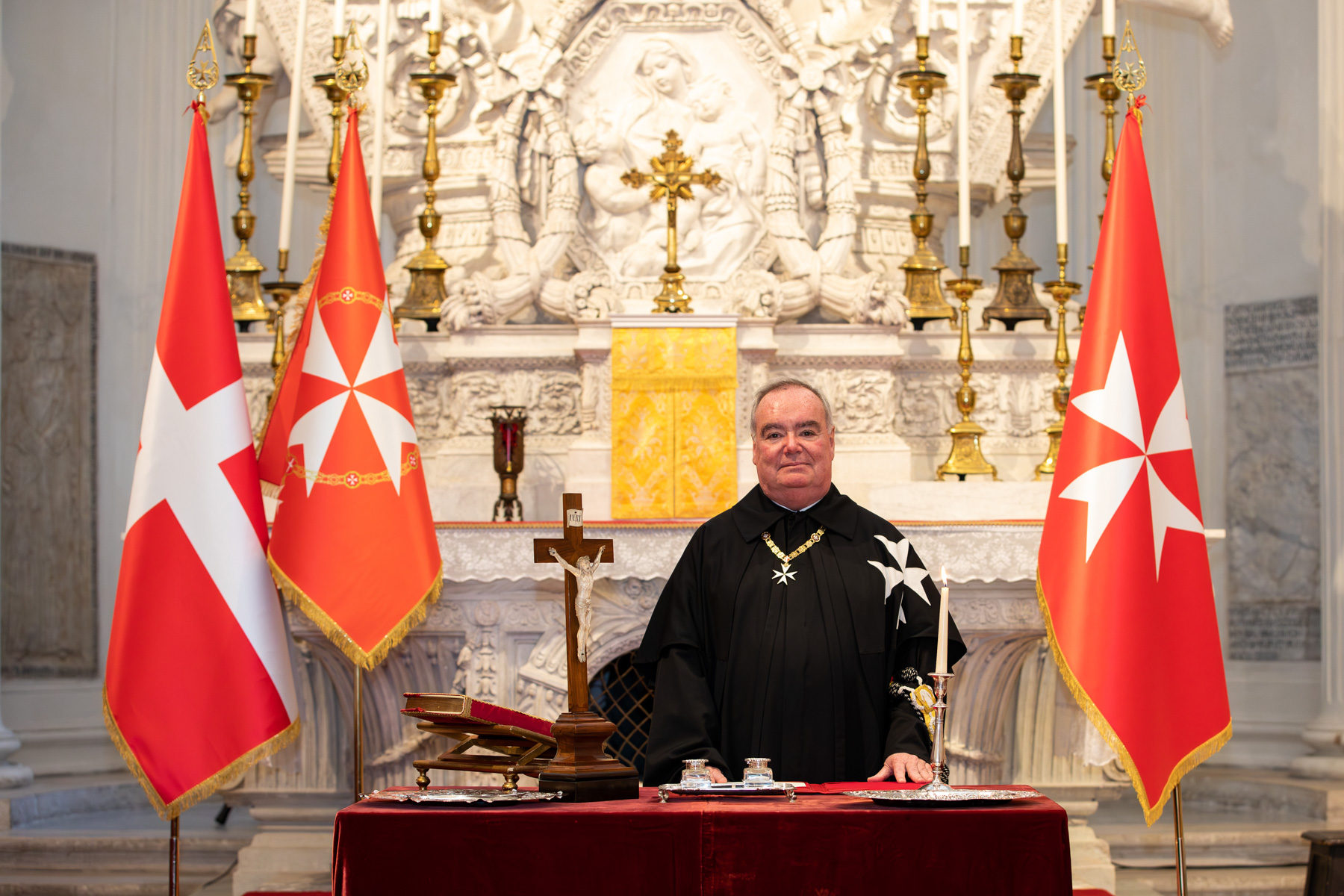
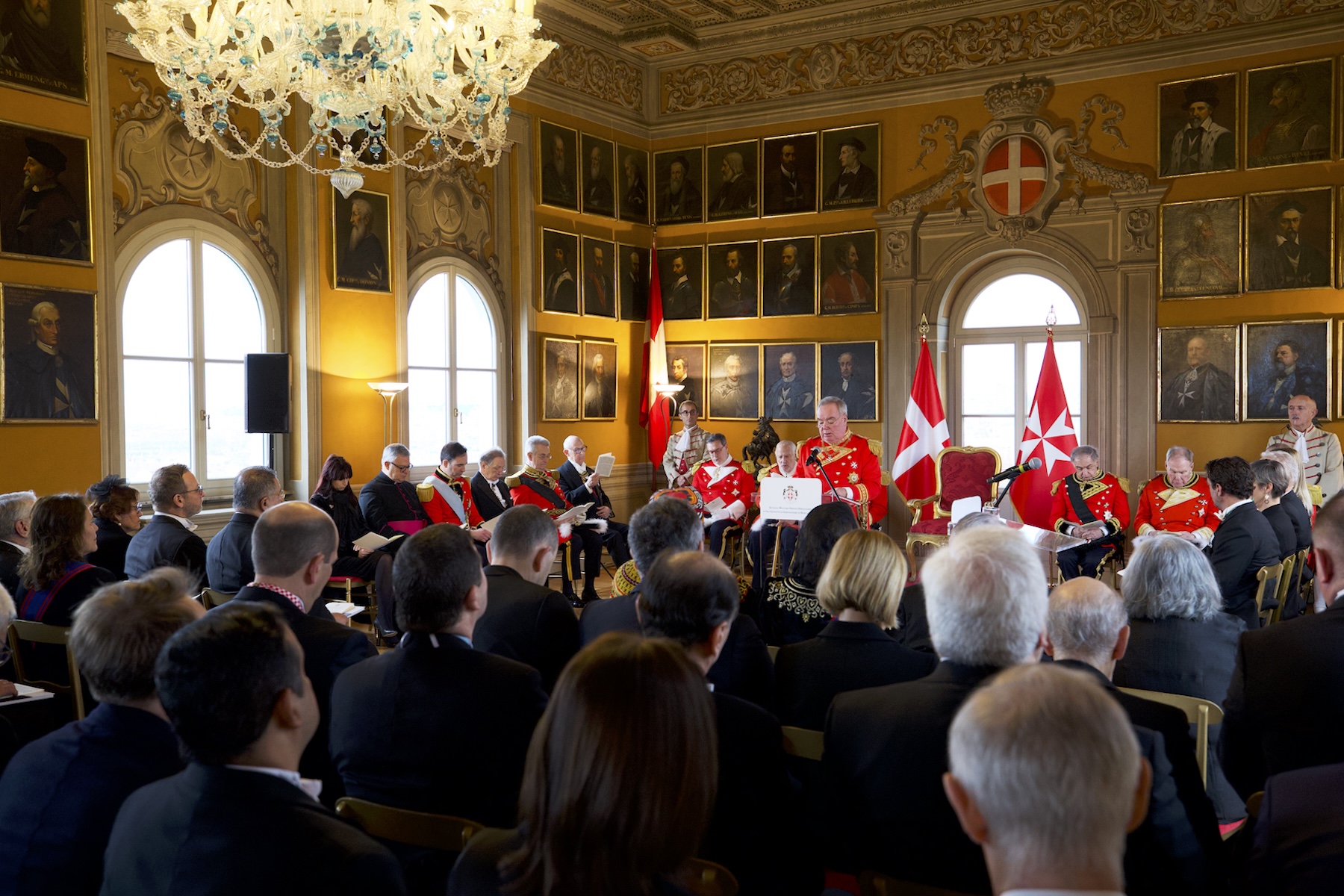
The Grand Master Fra’ John Dunlap today held the Audience of the beginning of the year with the Diplomatic Corps accredited to the Sovereign Military Order of Malta. The Audience took place in the Magistral Villa in Rome.
After the speech of the Dean of the Diplomatic Corps, the ambassador of Cameroon Antoine Zanga, the Grand Master gave the following address.
Monsieur le Doyen du Corps diplomatique, Excellences, Mesdames et Messieurs,
C’est pour moi un immense honneur et une profonde satisfaction de vous souhaiter la bienvenue en cette journée mémorable. Je tiens à exprimer ma sincère gratitude au Doyen pour l’allocution d’une courtoisie exemplaire qu’il a prononcée au nom du Corps diplomatique.
I wish to begin by expressing my profound gratitude for the gracious sentiments and the high regard you have extended towards the diplomatic endeavours of the Sovereign Order of Malta throughout the course of 2025. In this spirit I also wish to extend our heartfelt gratitude to Italy, our host country, with which the Sovereign Order of Malta has long enjoyed a relationship of close friendship, mutual trust, and exemplary co-operation.
This past year has indeed been one of exceptional intensity, marked both by the spiritual significance of the Holy Year and by a momentous transition in the life of the Holy See: the passing of His Holiness Pope Francis and the subsequent election of His Holiness Pope Leo XIV. These events have profoundly resonated across both the life of the Universal Church and the broader international community.
His Excellency the Dean has most perceptively recalled the extensive missions undertaken this past year by myself and the High Officers of the Order. These engagements spanned several continents, and it is our firm intention to maintain this diplomatic momentum throughout 2026. To this end, I am pleased to announce the convening of a Regional Conference for the Americas in Buenos Aires this autumn. Following the precedent set in Panama two years ago, this gathering will facilitate vital co-ordination between the Grand Magistry and our regional entities. In the wake of this conference, I look forward to undertaking a series of official visits to the nations of the Southern Hemisphere.
Latin America remains a region of paramount importance to the Order’s history, and our historic engagement with the region, established in the post-war era, is underpinned by the enduring social contributions of our national associations. While high-level exchanges have been infrequent since the private visit of Grand Master Fra’ Andrew Bertie in 1990, we are committed to revitalising these ties. We envision, consequently, a sustained programme of official visits in the coming years, extending beyond the Southern Hemisphere, to complement the negotiation of several co-operation agreements aimed at streamlining our regional humanitarian initiatives.
Africa remains a paramount priority, receiving substantial investment through the specialised programmes of Ordre de Malte France and Malteser International. This commitment was recently underscored by the Grand Hospitaller’s mission to Cameroon and the Grand Commander’s private visits to Mauritius and Madagascar. Furthermore, it was a distinct honour to welcome the Presidents of Gabon and South Africa to the Magistral Palace. I extend my profound gratitude to their respective Ambassadors for facilitating these dialogues; in particular, I thank Her Excellency Ms Nosipho Jezile. The visit of President Ramaphosa, despite the absence of formal diplomatic ties, marks a significant milestone in our bilateral rapport. Similarly, our newly established relations with The Gambia and Burundi have yielded rapid progress, further evidenced by the recent productive meeting between the Burundian Foreign Minister and the Grand Chancellor.
Our ties to the Middle East remain central to the Order’s mission. We have maintained a sustained and focused engagement with Lebanon, reflected in the Grand Chancellor’s visit and in high-level forums such as the Munich Security Conference and those held at the Magistral Villa.
Amidst the current conflict, the Lebanese Association has demonstrated exemplary courage in its humanitarian response, earning universal acclaim across all sectors of society. This vital work was notably recognised by the Holy Father during his recent historic visit.
Regarding the devastating crisis in the Holy Land, the Order’s position remains resolute: we vigorously condemned the terrorist acts of 7 October 2023, called for the immediate release of the Israeli hostages, and demanded strict adherence to International Humanitarian Law to protect civilians and aid workers. In collaboration with the Latin Patriarchate, we have delivered food aid to Gaza City and remain prepared to deploy medical clinics as soon as operational conditions permit. Looking towards the future, the Order is committed to participating in international reconstruction efforts—specifically those led by Egypt, the Palestinian Authority, and other partners—with a particular focus on addressing the acute health and educational needs of orphaned and malnourished children.
Our concerns extend well beyond Gaza alone. The situation in the West Bank remains a source of profound concern. Restrictions on movement, recurrent violence, and persistent shortages of essential services continue to place an onerous burden on the civilian population. Our mobile clinics remain unable to operate in the Bedouin villages, while the population of Bethlehem is experiencing acute hardship as a result of the collapse of tourism. The Holy Family Hospital, run by the Order of Malta, is a vital maternity and neonatal care facility providing high-quality healthcare to women and infants without distinction. It is currently facing significant operational constraints; nevertheless, the Order remains unwavering in its commitment to sustaining its mission.
Ukraine has likewise constituted a major focus of the Order of Malta’s humanitarian engagement. Here, our position is clear and consistent: hostilities must cease, and civilians as well as civilian infrastructure must be fully protected. The destruction of homes, hospitals, schools, and energy facilities is unacceptable. Ensuring humanitarian access, supporting reconstruction, and achieving a sustained cessation of hostilities must be treated as immediate priorities, alongside diplomatic efforts aimed at navigating the complex path towards a just and lasting peace. In this context, the Order stands ready, should it be deemed useful, to make its resources available in support of initiatives conducive to dialogue, in a spirit of humanity and in full respect of its principles of neutrality and impartiality.
I have provided this overview for two principal reasons. First, to underscore that the diplomatic outreach of the Order of Malta extends well beyond Europe. While my own travel last year was largely concentrated within Europe, other members of the Sovereign Council undertook missions in different regions, and I welcomed numerous counterparts from across the world. Europe will, of course, remain central to our diplomatic engagement, and several significant visits are planned for the first half of the year.
Second, the diplomatic action of the Order must always be viewed in close conjunction with its humanitarian presence on the ground—an engagement carefully adapted to the specific needs of each context, whether in highly developed economies or in regions confronting severe humanitarian crises.
In conclusion, the scope of our diplomatic engagement, the courageous humanitarian action undertaken by the Order in some of the most acute crises of our time—particularly in Palestine, Lebanon, and Ukraine—and the steady expansion of our diplomatic relations all converge towards the same conclusion: the Order of Malta is assuming an increasingly global role.
While our resources remain limited, we are addressing this challenge with resolve. The establishment in 2025 of the Advisory Council of the Grand Chancellor, bringing together distinguished figures from the worlds of business and science, has already yielded tangible operational outcomes, especially in the area of emergency response.
We are firmly convinced that the Order’s growing international role merits fuller recognition by the international community. To this end, we are actively pursuing the expansion of our diplomatic network, without historical, cultural, or religious preconditions. At the same time, we are making consistent progress in Asia and the Pacific, and we approach the future with confidence.
Across all international forums, we shall continue to contribute constructively to discussions on major global challenges, including human trafficking, refugee protection, religious freedom, interreligious dialogue, and respect for international humanitarian law. In this context, I wish to recall the Memorandum of Understanding recently signed with Kazakhstan, which seeks to promote social cohesion and dialogue through joint initiatives.
Finally, we aspire to attain a status within the United Nations that more accurately reflects the nature and breadth of the Order’s worldwide activities. In this endeavour, we rely on your continued and much-valued support.
In closing, I extend to you all, to your families, and to the staff of your Embassies my warmest wishes for a peaceful and prosperous year.