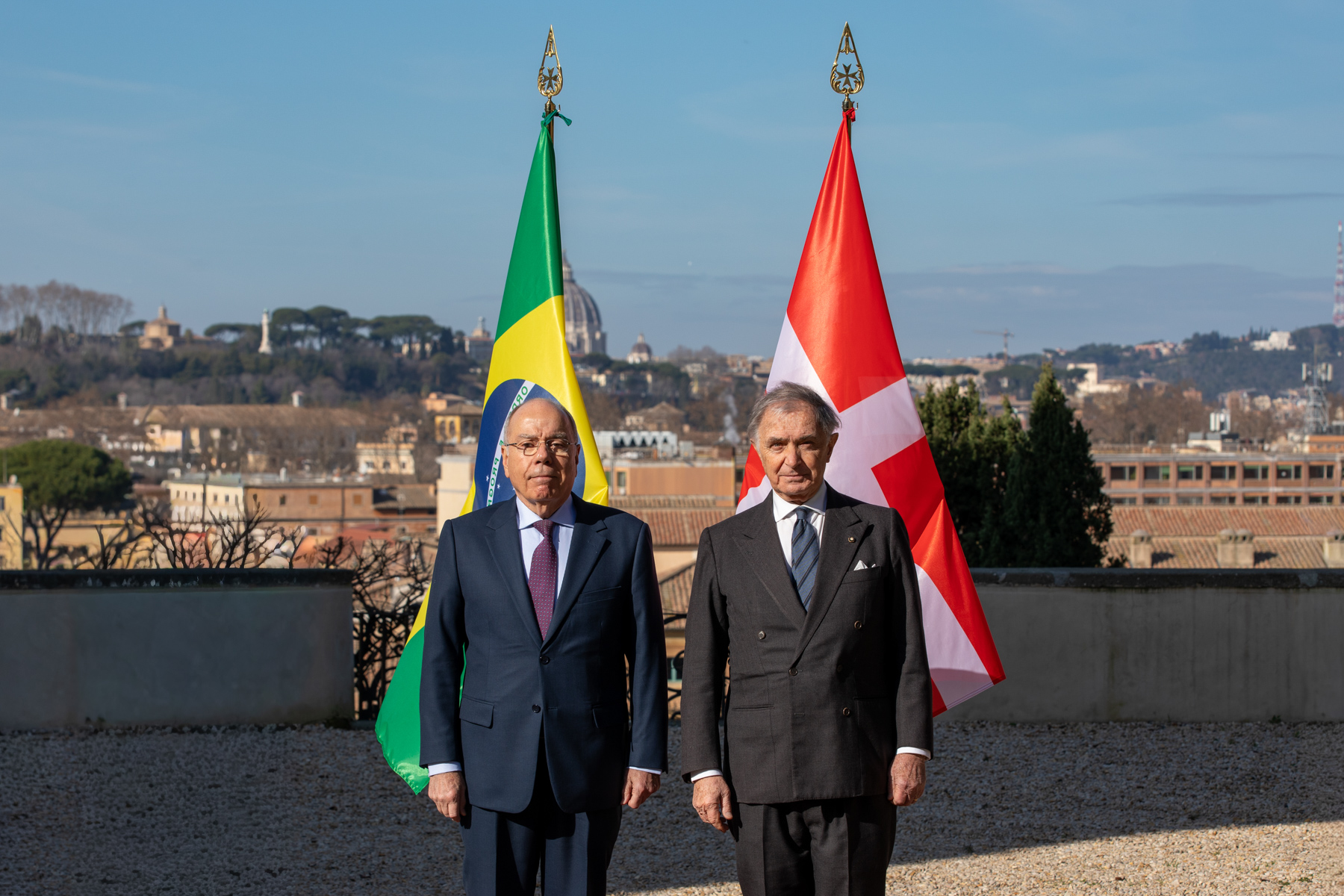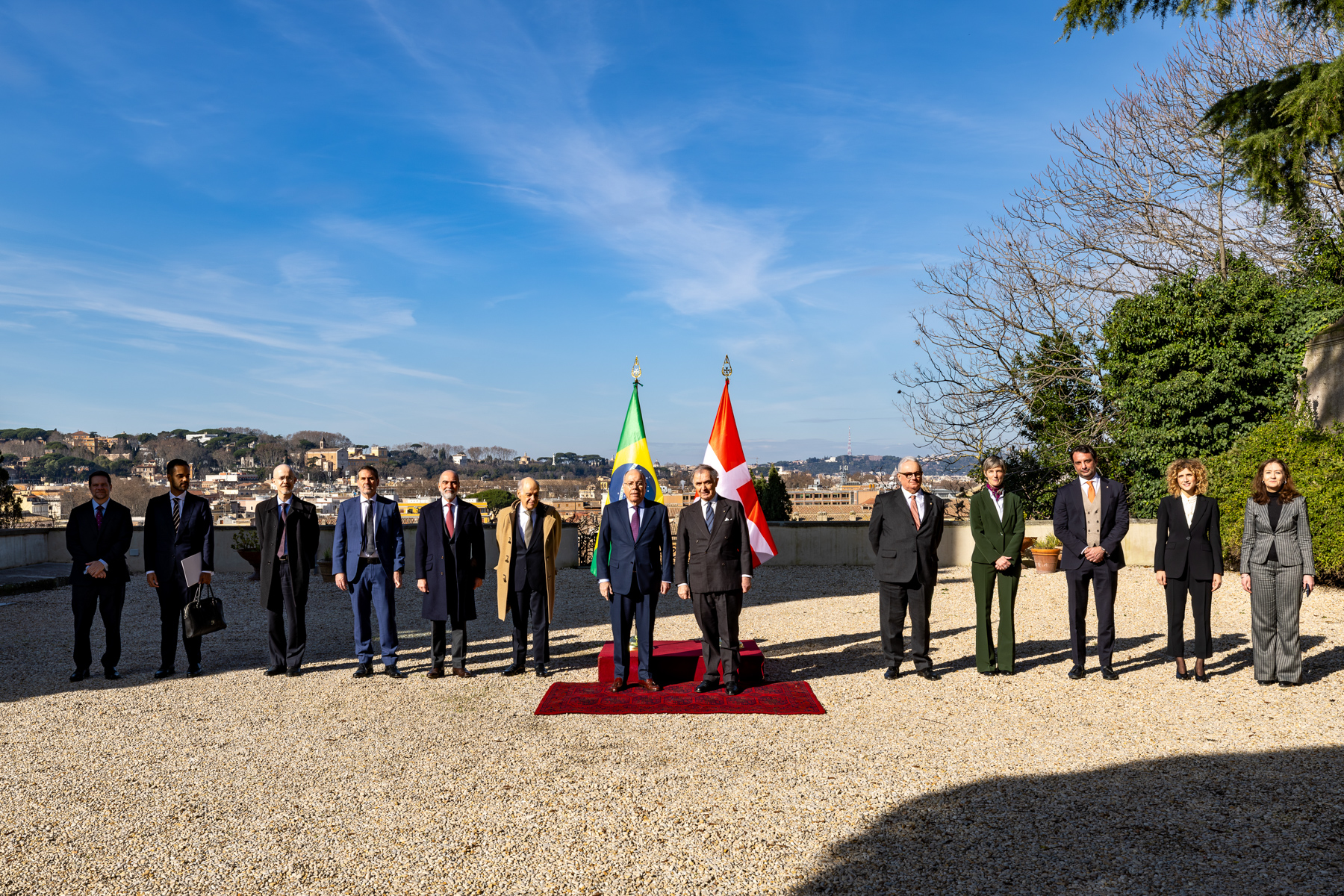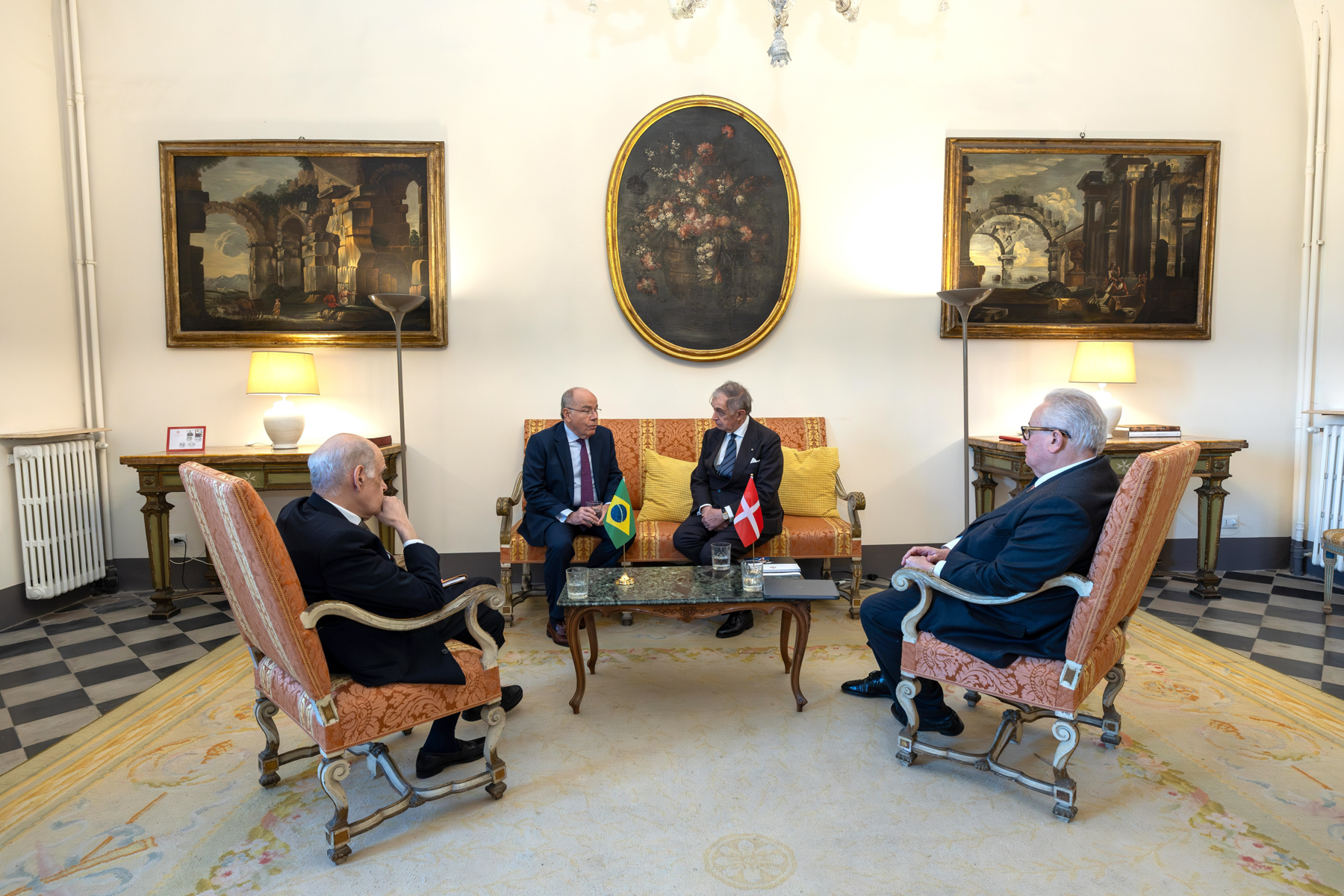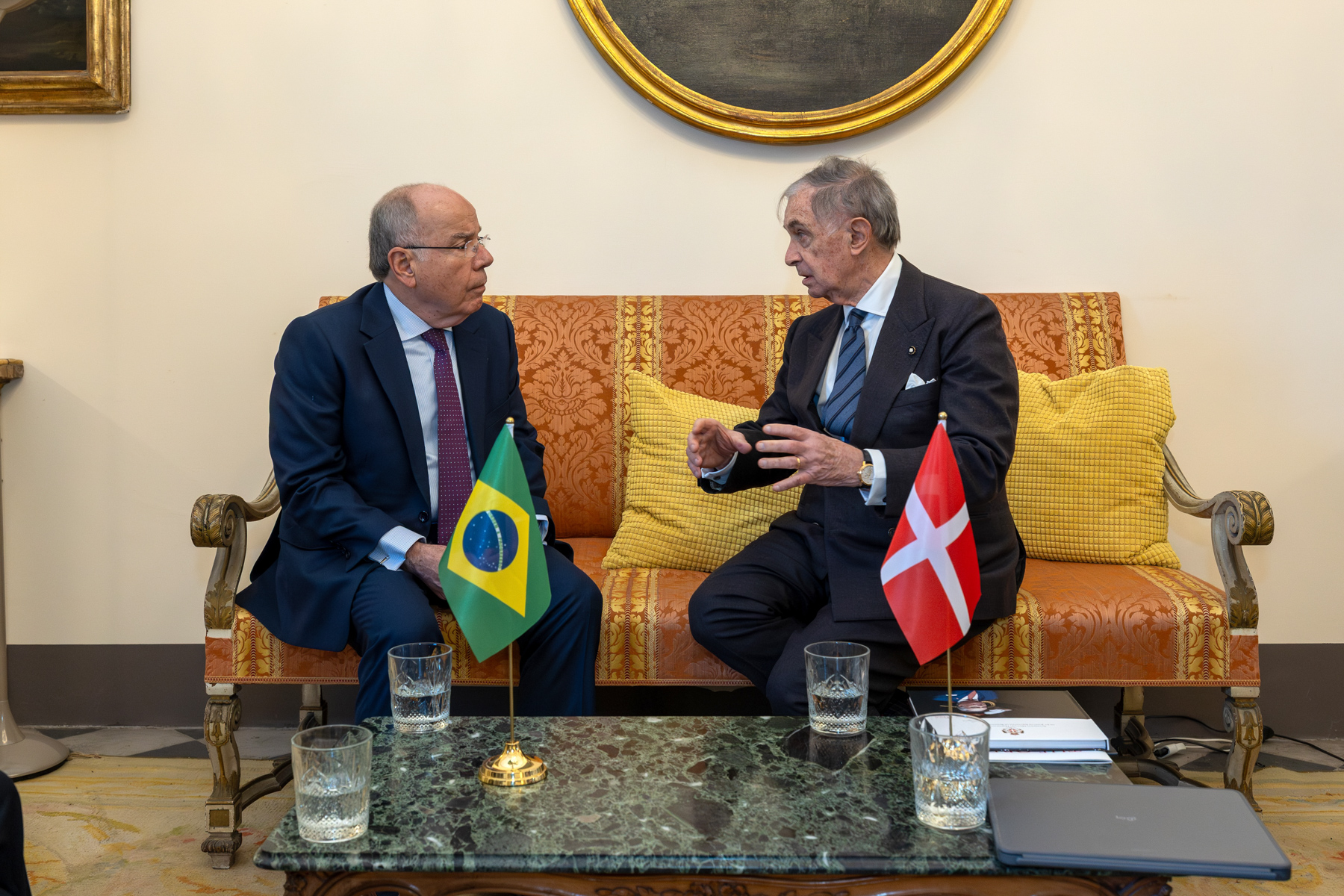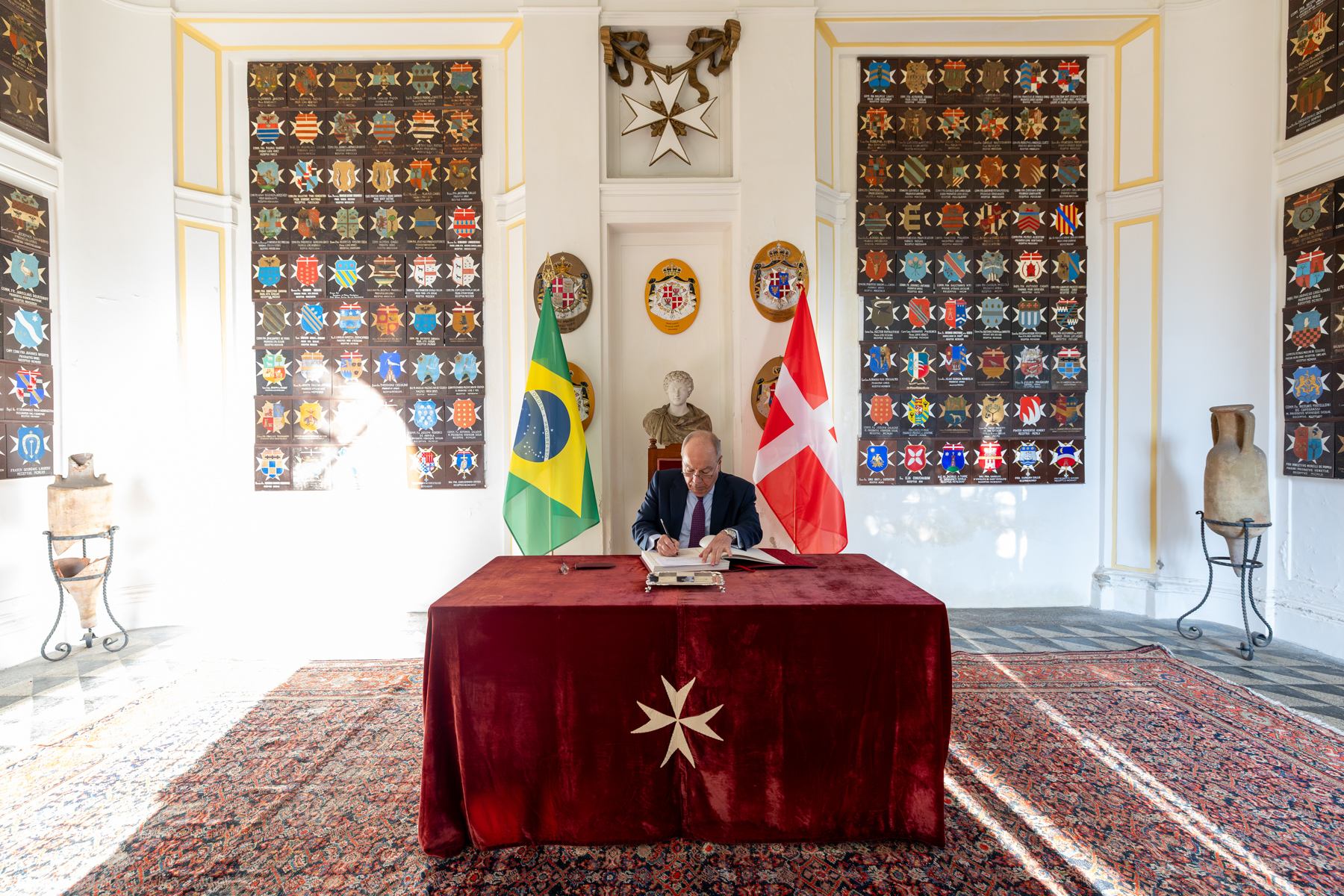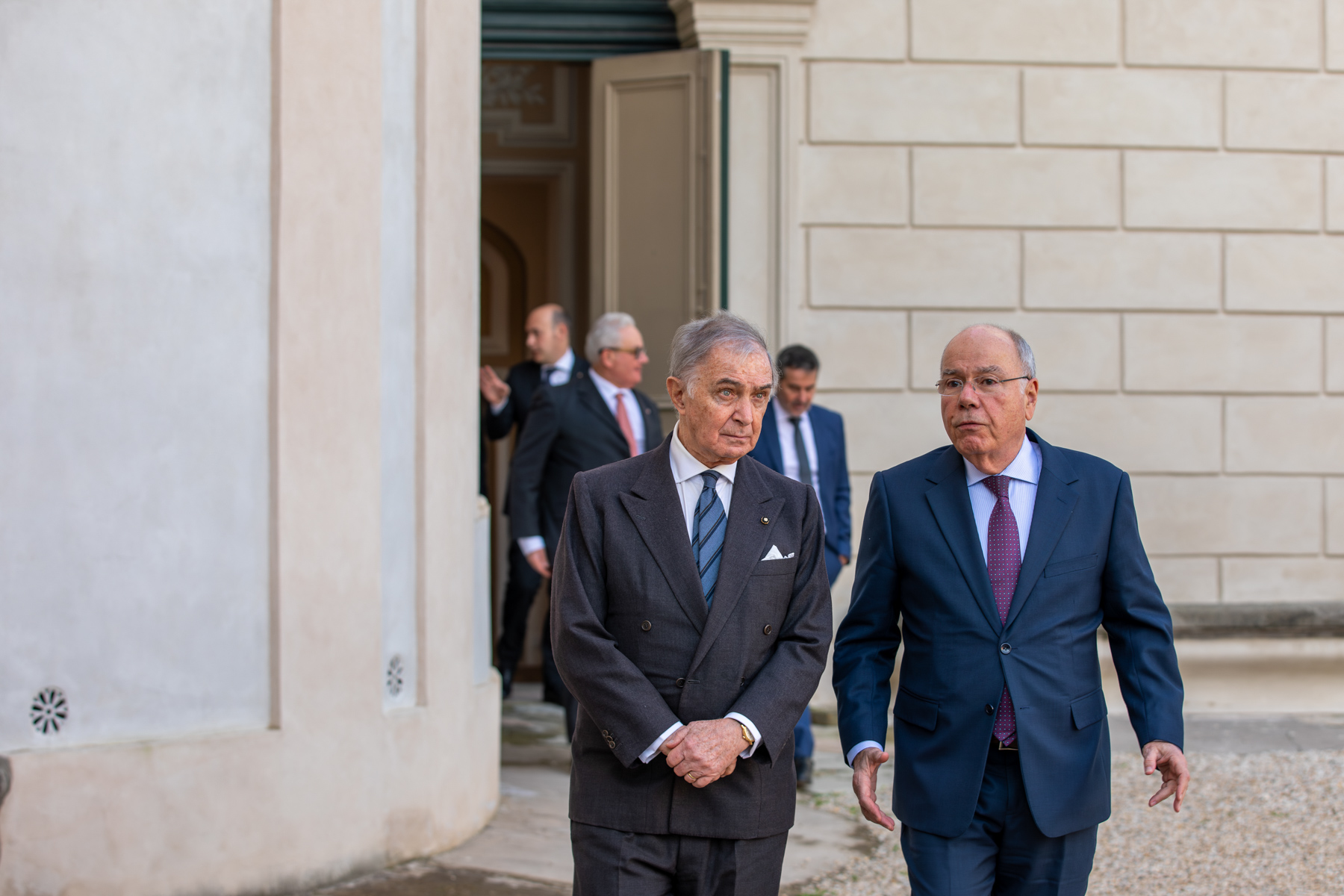

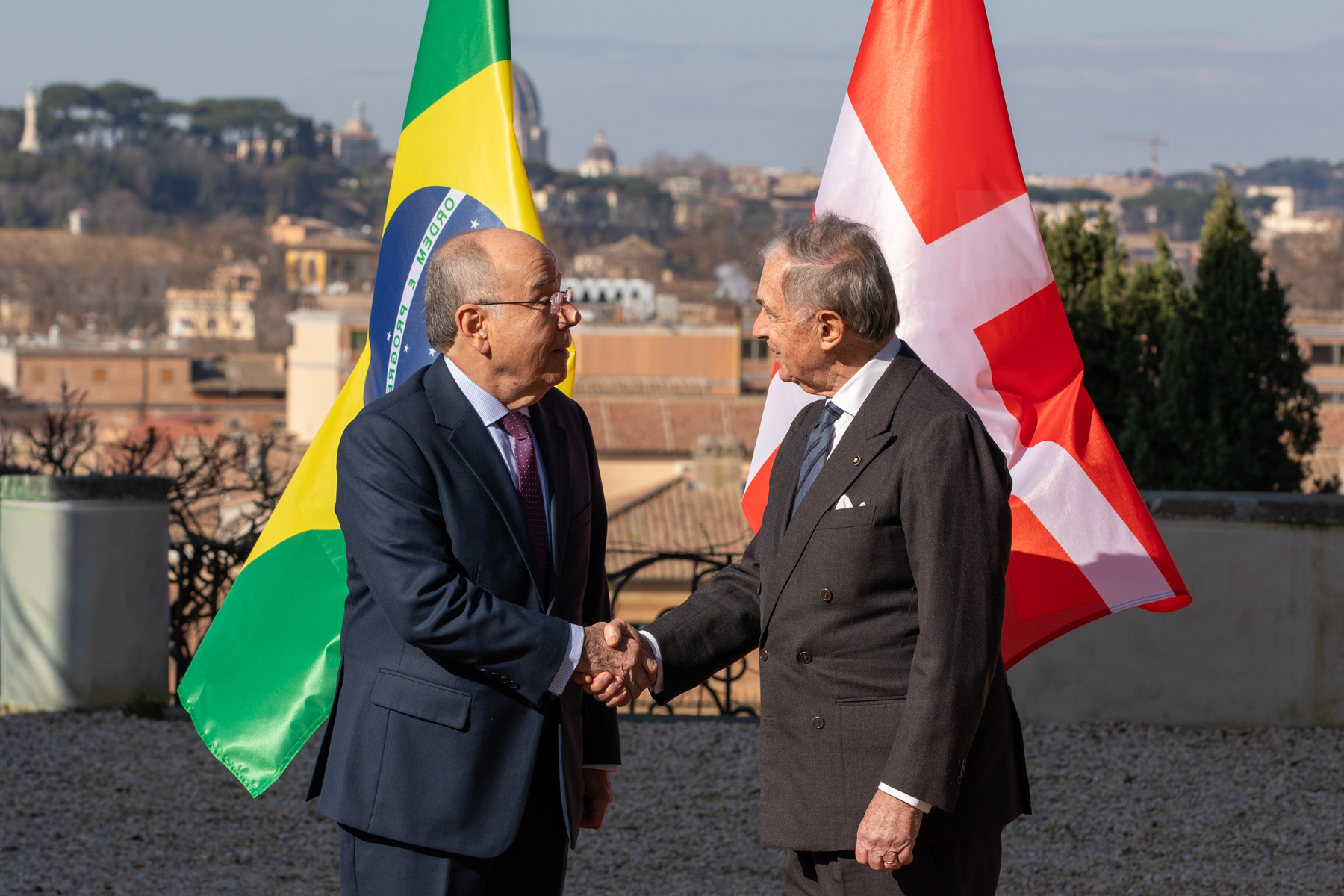
The working visit of the Minister of Foreign Affairs of the Federative Republic of Brazil, Mauro Vieira, took place at the Magistral Villa in Rome, where he met with the Grand Chancellor of the Sovereign Order of Malta, Riccardo Paternò di Montecupo.
The visit reaffirmed the strength of the relations established in 1952 between the Sovereign Order of Malta and Brazil, which are approaching their 75th anniversary in 2027. During the dialogue, both parties expressed a shared desire to further enhance the bilateral relationship by strengthening diplomatic engagement and promoting new opportunities for humanitarian cooperation.
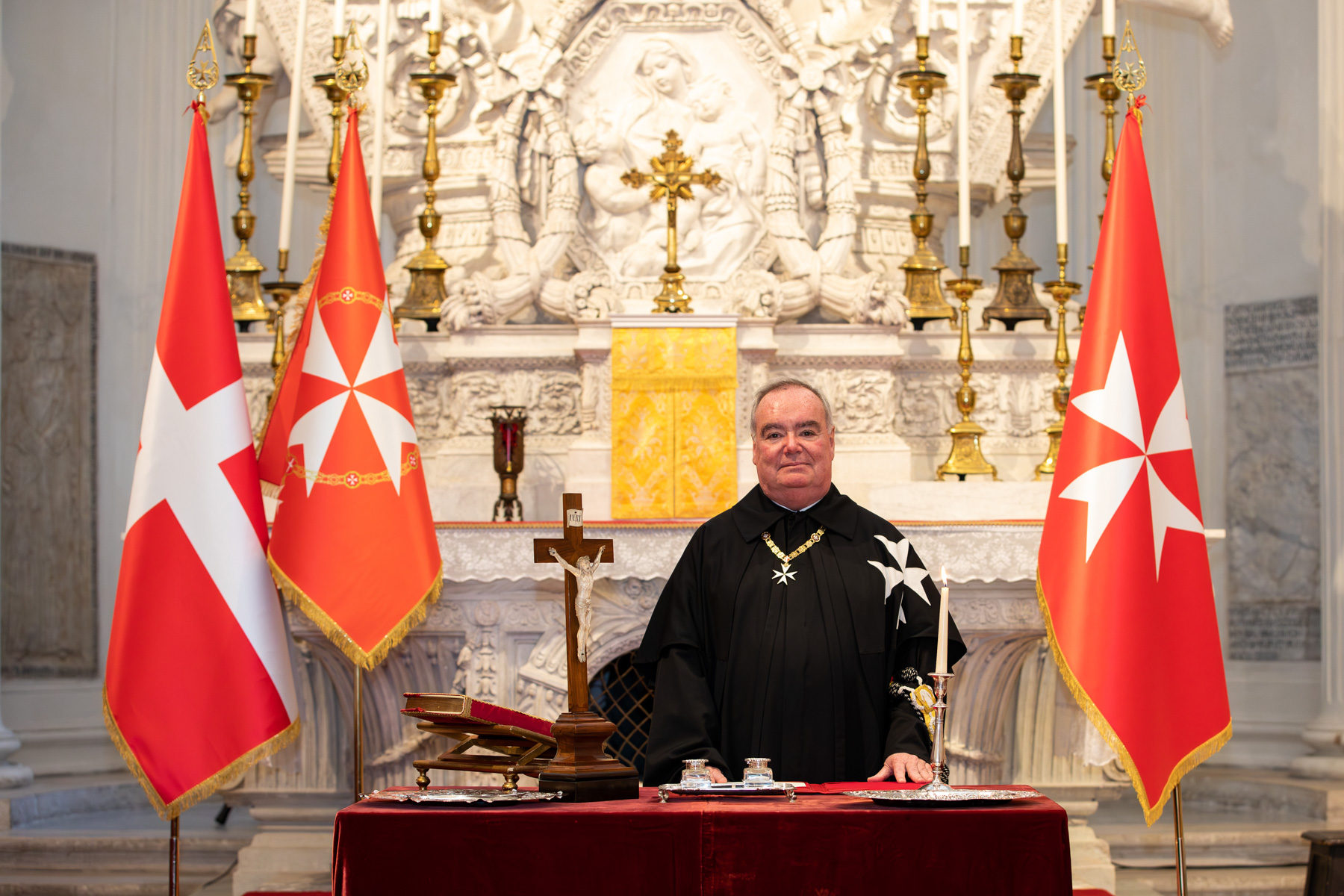
As highlighted by the Grand Master Fra’ John Dunlap in his recent address to the diplomatic corps accredited to the Order of Malta, Latin America has held primary importance in the Order’s history since the post–Second World War period. In this context, the conversation recalled the Tenth Conference of the Americas of the Sovereign Order of Malta, scheduled to take place in Argentina in October 2026, followed by a series of official visits to countries in the region.
“Today’s meeting demonstrates how the diplomatic and humanitarian mission of the Order of Malta is developing on an increasingly global scale, with renewed attention to Latin America and, in particular, to countries such as Brazil, with which we share a long history of cooperation,” the Grand Chancellor stated.
Both parties shared a common concern regarding the various ongoing crisis situations, emphasizing the importance of a coordinated and responsible commitment by the international community.
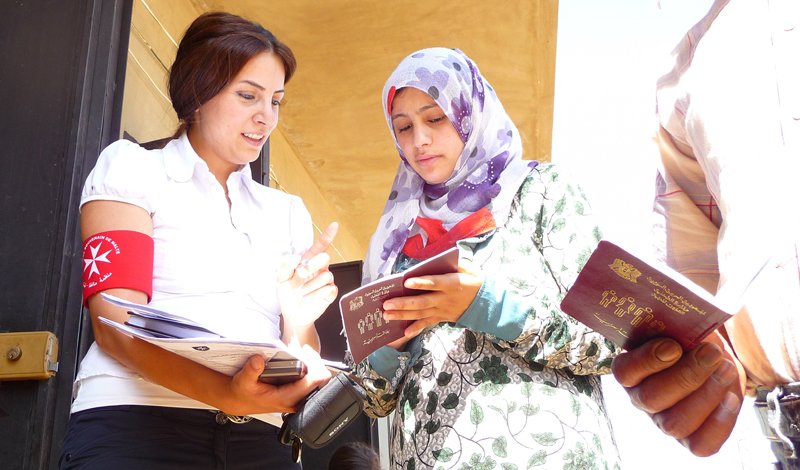
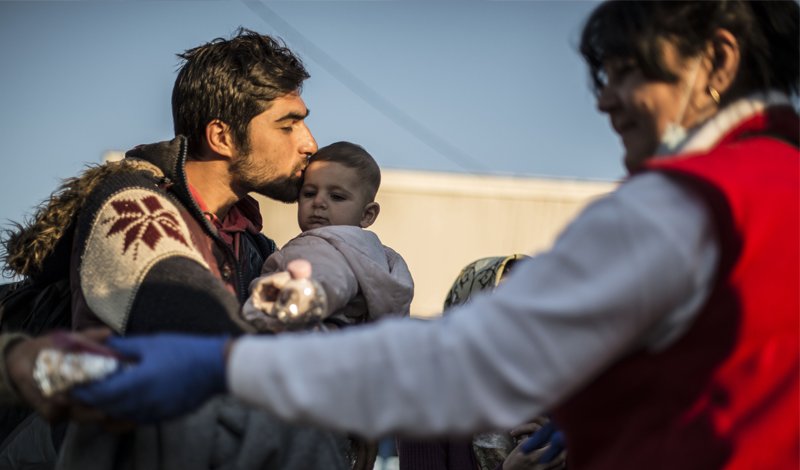
Considerable attention was devoted to humanitarian cooperation in Brazil, where the Sovereign Order of Malta is present through its three national Associations and the Associação Cruz de Malta. The Order’s activities range from healthcare assistance to education and training, as well as support for the most vulnerable populations. It is also actively engaged in combating neglected diseases, such as Hansen’s disease (leprosy), through targeted programs focused on prevention, early diagnosis, and treatment.
During the talks, the shared commitment to further strengthening this cooperation was reaffirmed, in view of a cooperation agreement that would support both ongoing activities and the development of new initiatives in areas of mutual interest, such as food security, poverty reduction, health, social welfare, and education. Finally, the possibility of extending this cooperation to third countries was considered, with particular attention to Lusophone Africa.