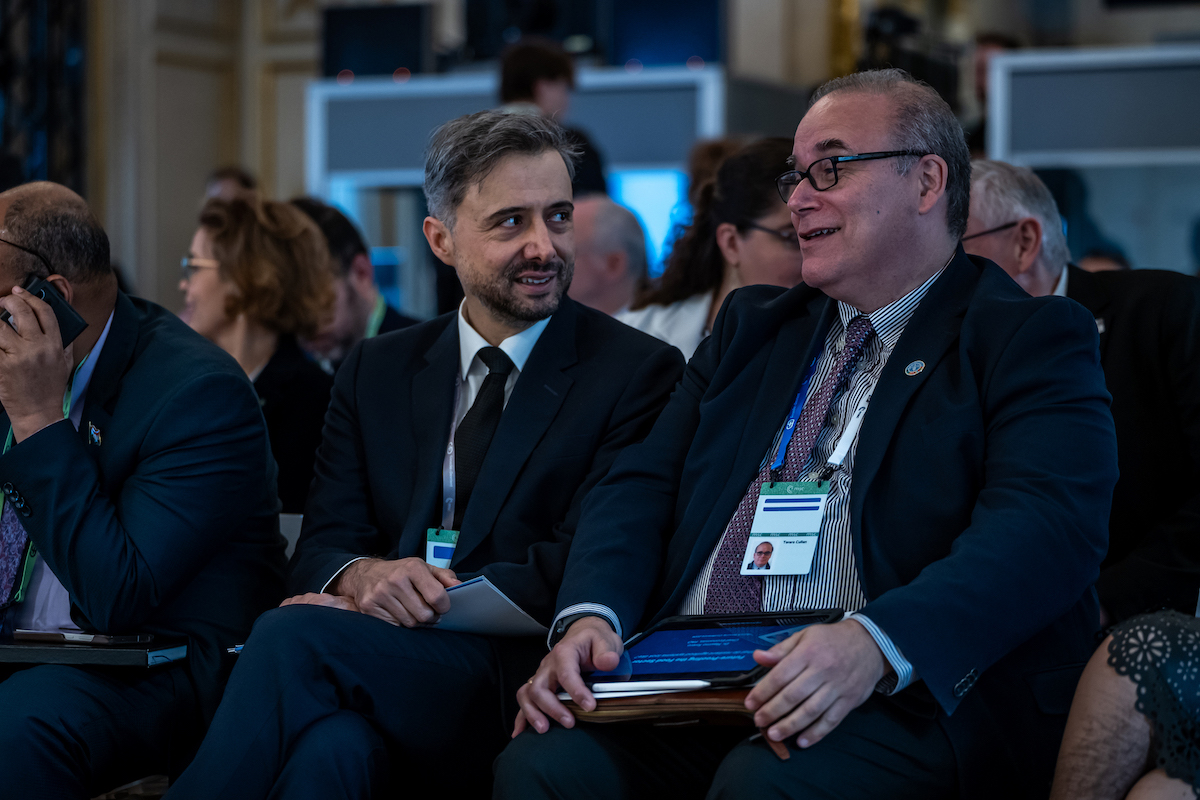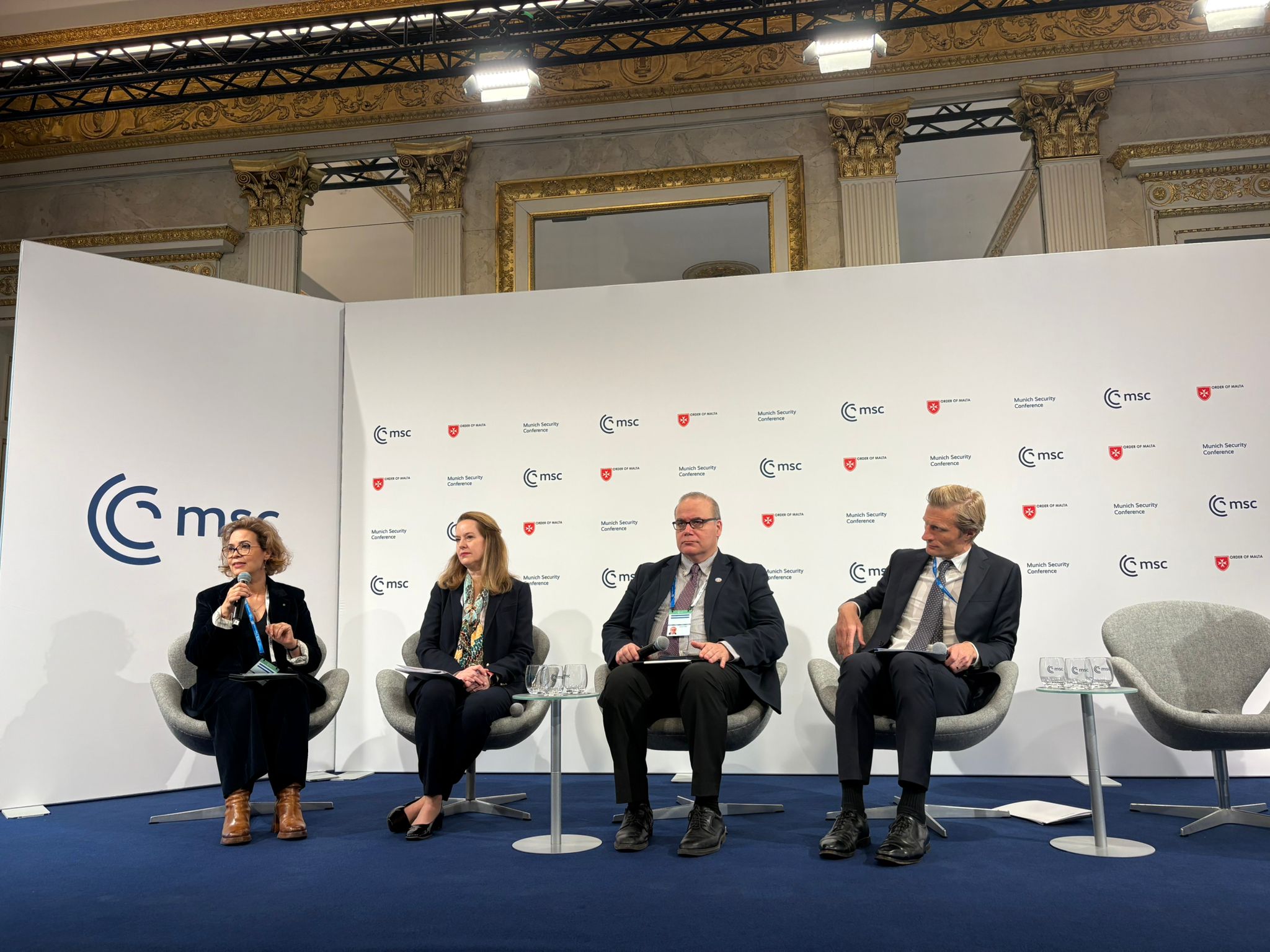

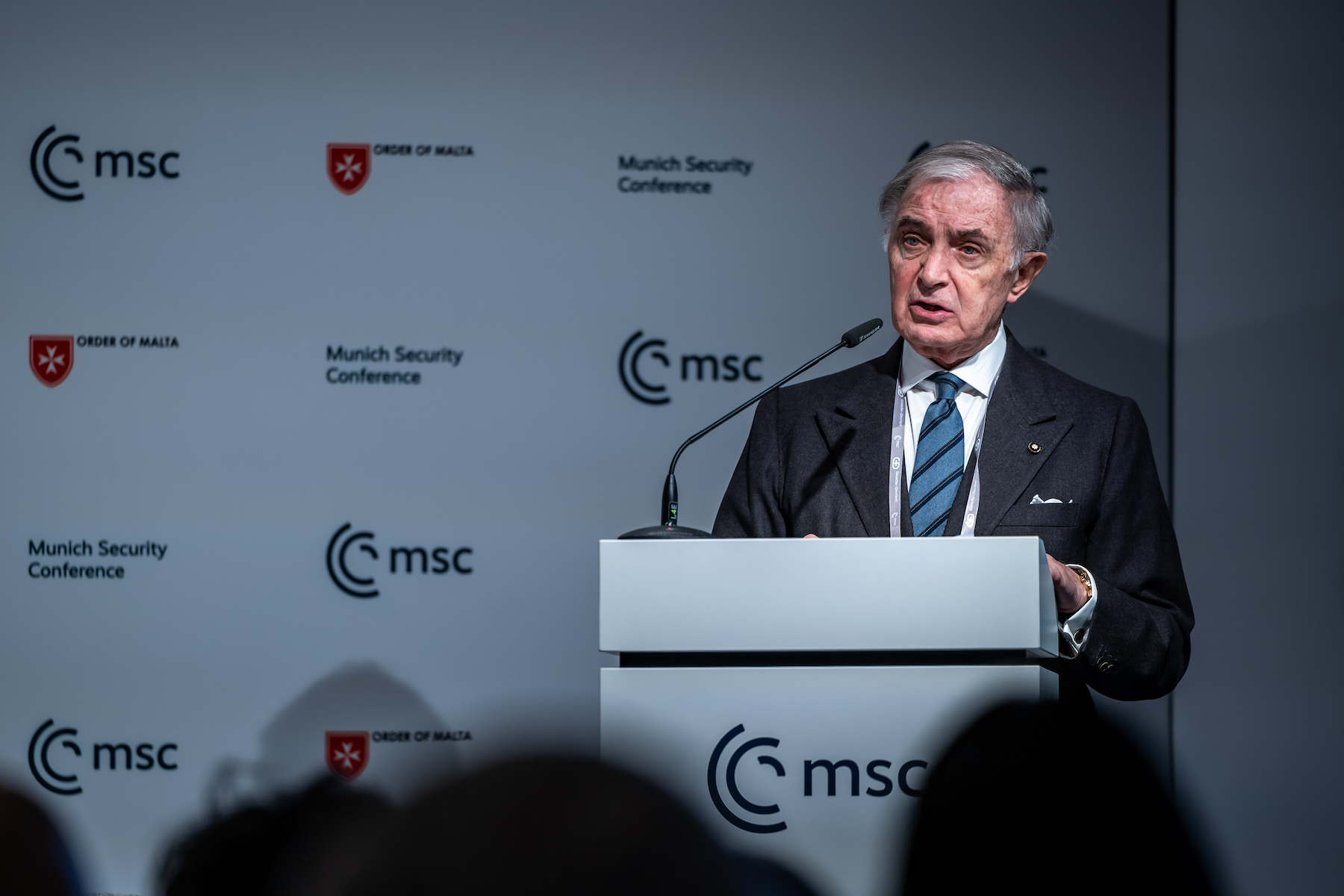
Today, under the aegis of the 62nd Munich Security Conference (MSC), the Sovereign Order of Malta hosted a high-level side event entitled “Aid for Plate: Joint Action for Global Food Security”, dedicated to the global challenges of food security — from the resilience of supply chains to the widening funding gap threatening humanitarian and development interventions.
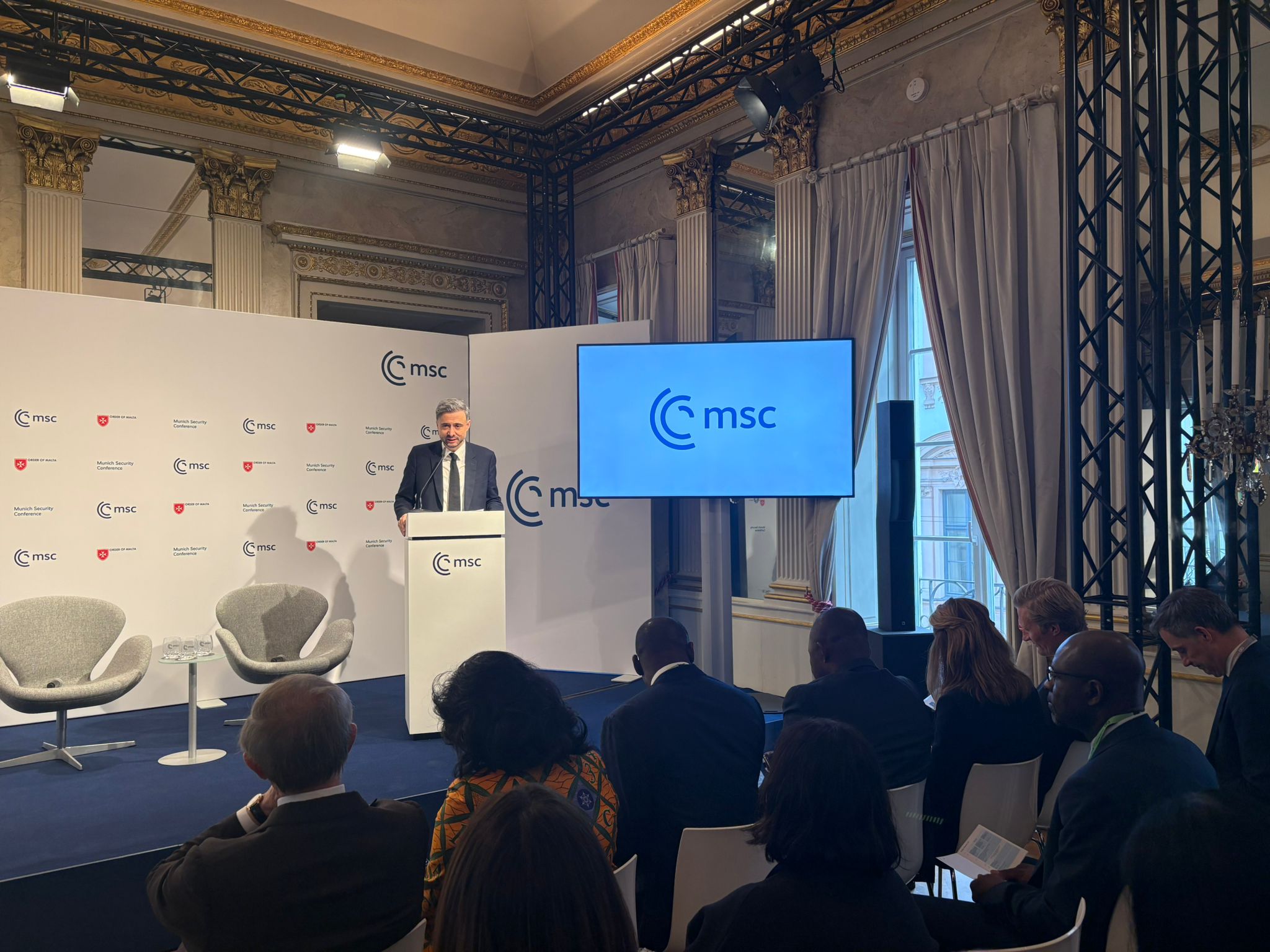
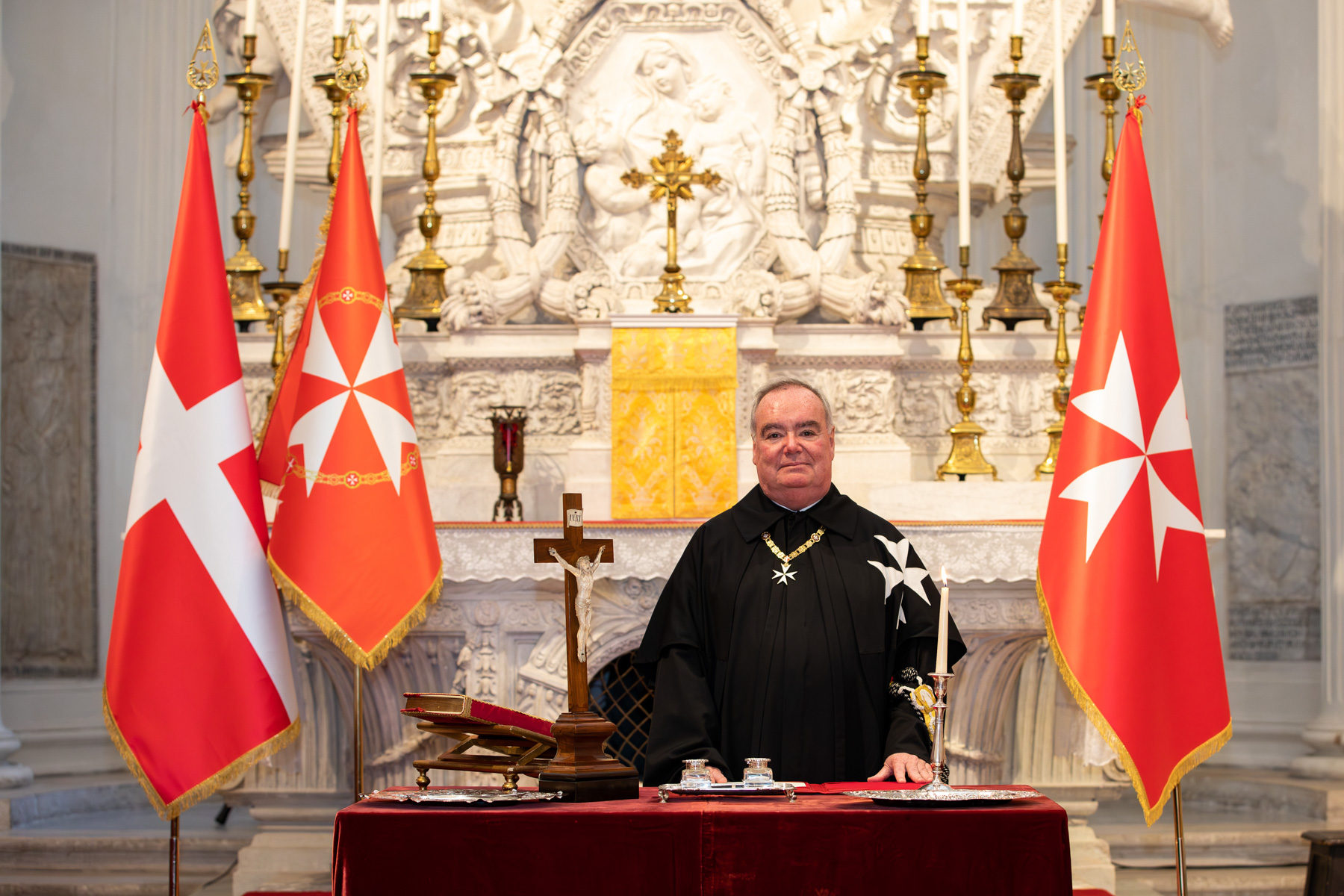
Opening the event, the Order of Malta’s Grand Chancellor, Riccardo Paternò di Montecupo, highlighted the Order’s distinctive role in bridging emergency response and long-term development programmes: “The Order operates at the point of intersection between emergency response and development, between immediate assistance and the rebuilding of local capacities. Not only the distribution of food in times of crisis, but also: support for micro-agriculture and local supply chains, nutritional programs linked to healthcare and maternity, protection of the most vulnerable communities’ dialogue with governments and institutions. In a world where the food chain is increasingly fragile, the Order of Malta reminds us that food security is inseparable from human security”.
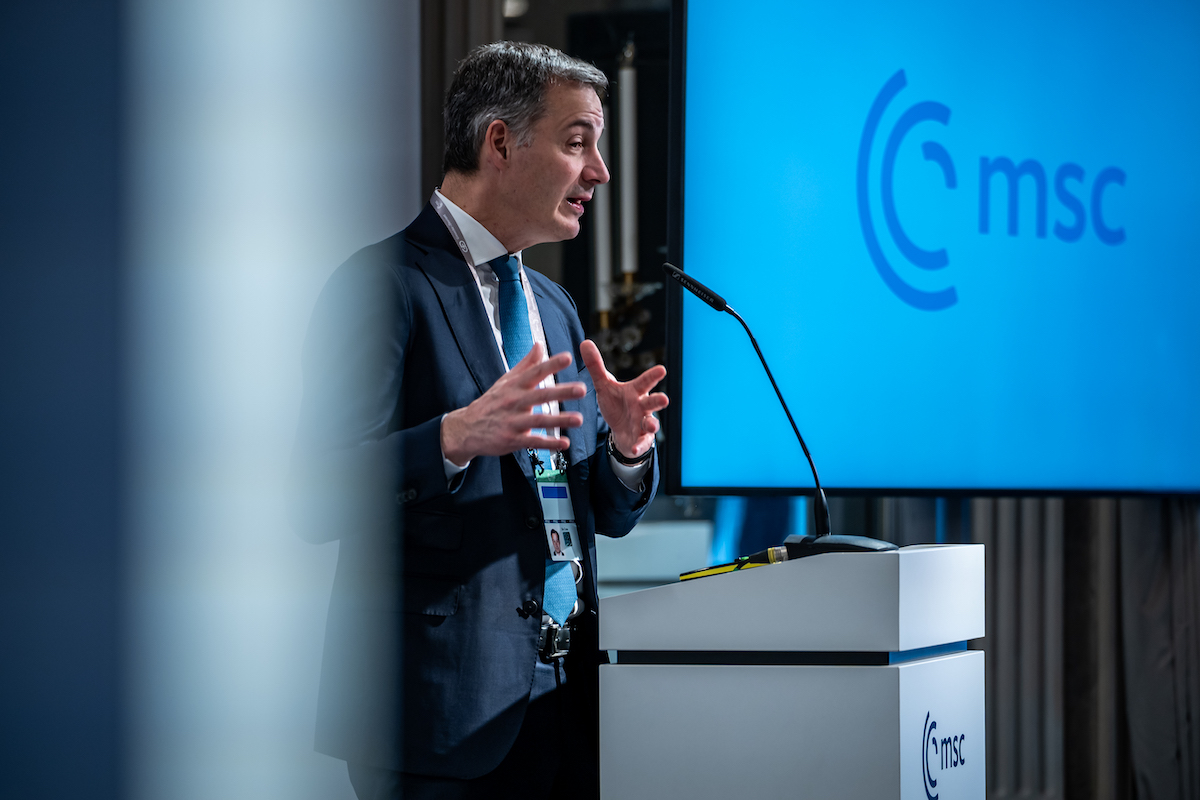
In his remarks, Alexander De Croo, Administrator of the United Nations Development Programme (UNDP) and former Prime Minister of Belgium, said that “it is not so much just supplying food. It is not so much working on the emergency side. It is much more on building resilience, building societal resilience, building food systems, which are part of a general economic framework.”
Álvaro Lario, President of the International Fund for Agricultural Development (IFAD), recalled: “When rural households can produce food, earn an income, and access markets, communities stabilize. Food security is not simply about feeding people today, it is also about reducing the likelihood of conflict tomorrow. Simply put, we cannot afford not to invest in food security”.
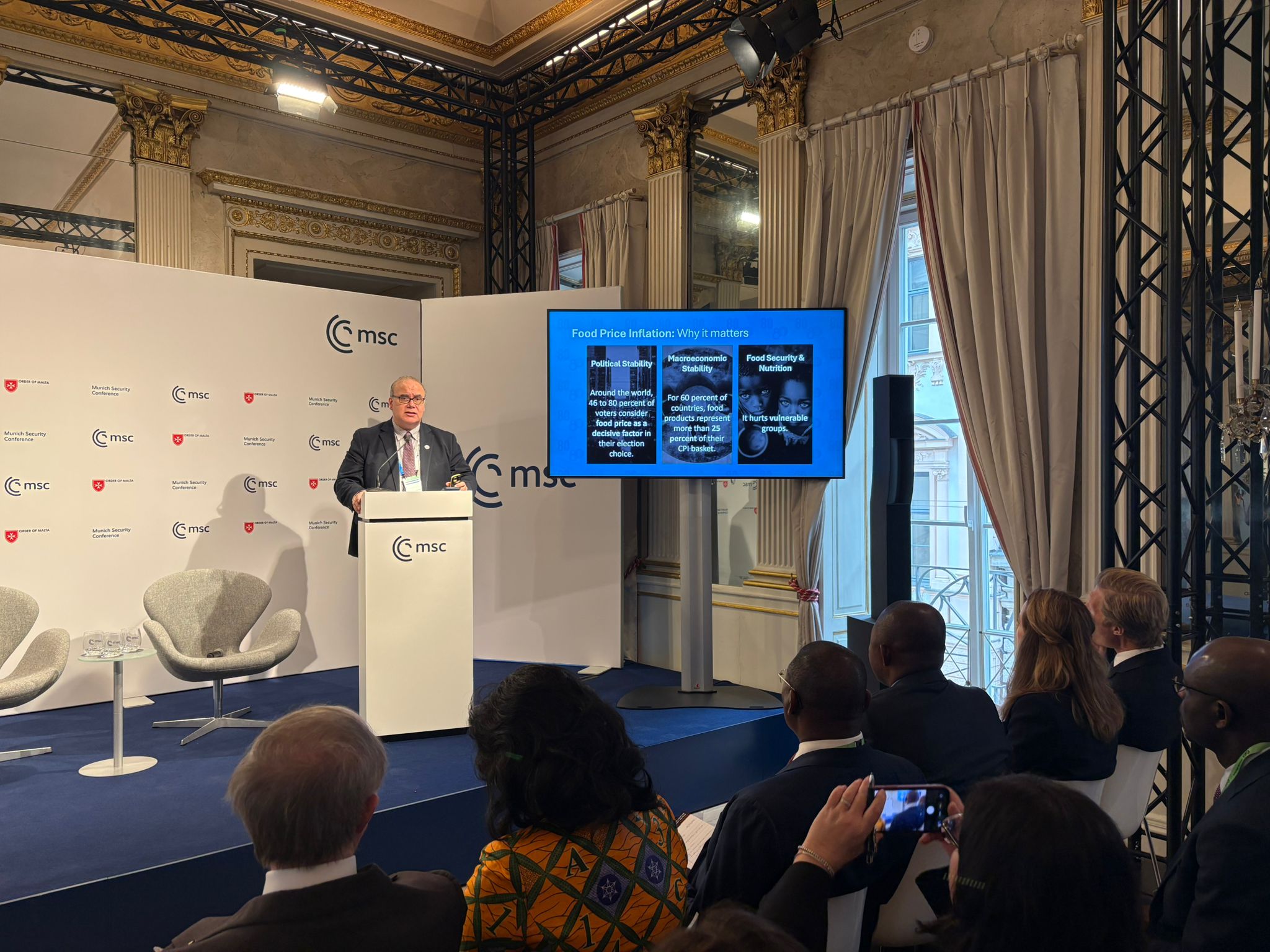
Máximo Torrero Cullen, Chief Economist of the Food and Agriculture Organization of the United Nations (FAO), warned of the growing risks to global food systems and the need to treat them as strategic infrastructure: “In a world where hundreds of millions of people go hungry, resilience in agrifood systems is no longer optional: without diversification, biological threats, conflict, or trade disruptions can turn a local shock into a global crisis. Therefore, countries must treat agrifood systems as strategic infrastructure, investing in prevention and their capacity to absorb shocks before they escalate”.
The discussion highlighted how environmental degradation, desertification, structural weaknesses in food production and instability in supply chains continue to be key drivers of insecurity, particularly in Africa, contributing to economic instability and social tensions.
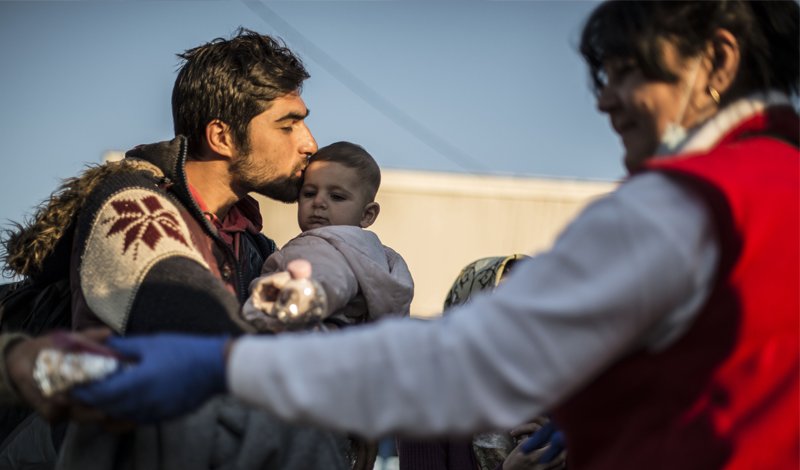
The panel, moderated by Ismahane Elouafi, Executive Managing Director of CGIAR, included Amy Pope, Director General of the International Organization for Migration (IOM), Carl Skau, Deputy Executive Director and Chief Operating Officer of the World Food Programme (WFP) and Máximo Torrero Cullen, Chief Economist of the Food and Agriculture Organization of the United Nations (FAO). A clear consensus emerged on the need to strengthen global food security by supporting local production in the most vulnerable countries and mobilizing public and private resources, particularly in light of funding cuts affecting humanitarian and development programs. The speakers also emphasized that food insecurity is one of the root causes of forced migration, calling for an integrated approach that invests in sustainable agricultural development and the livelihoods of the most exposed communities. In this context, humanitarian organizations can play a significant role as mediators and operational partners in affected areas.
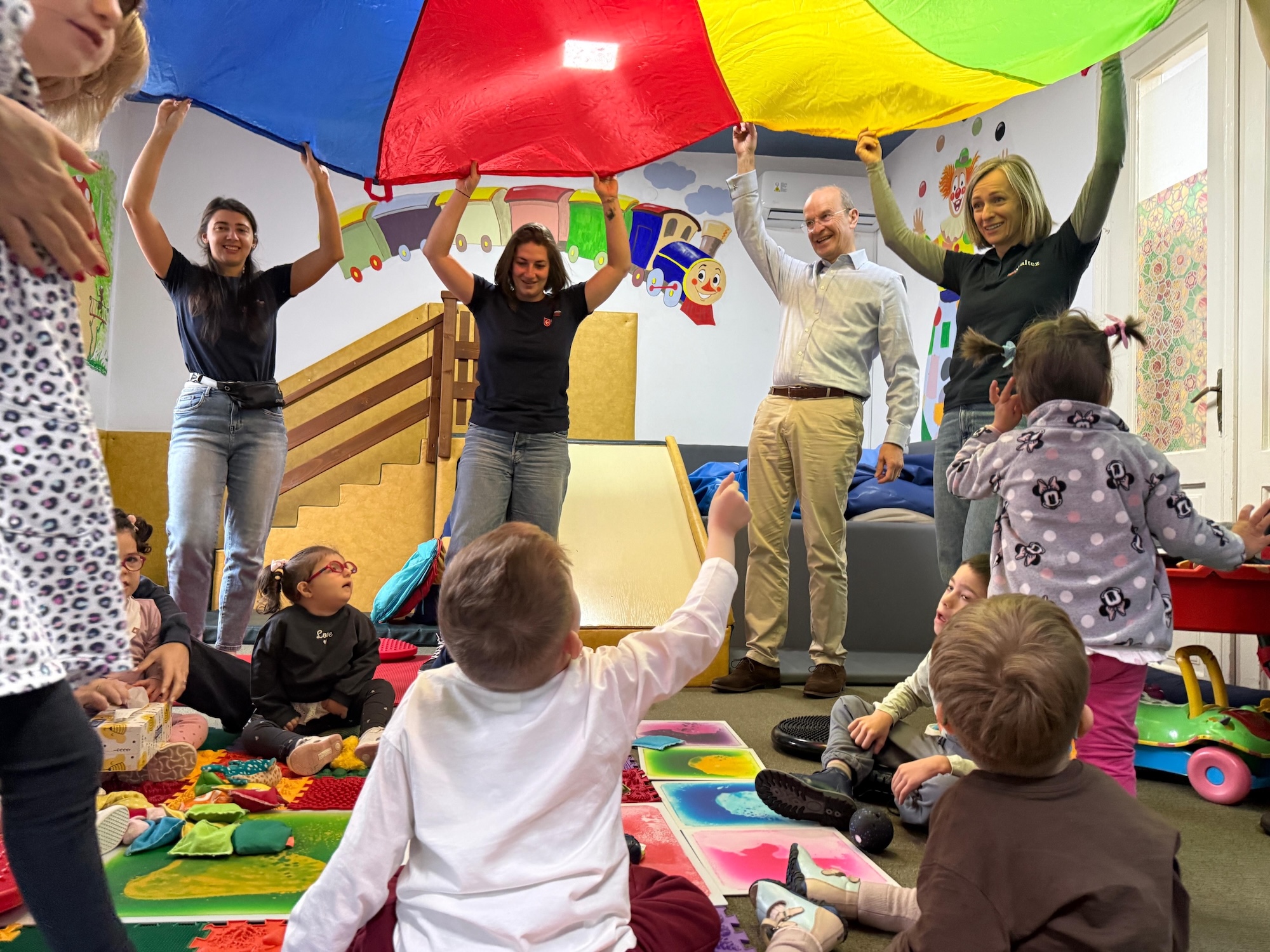
The event reaffirmed the Order of Malta’s commitment — active with programmes in over 130 countries — to promoting international partnerships and concrete initiatives in support of the most vulnerable communities, contributing to the strengthening of social stability in regions most exposed to crises.