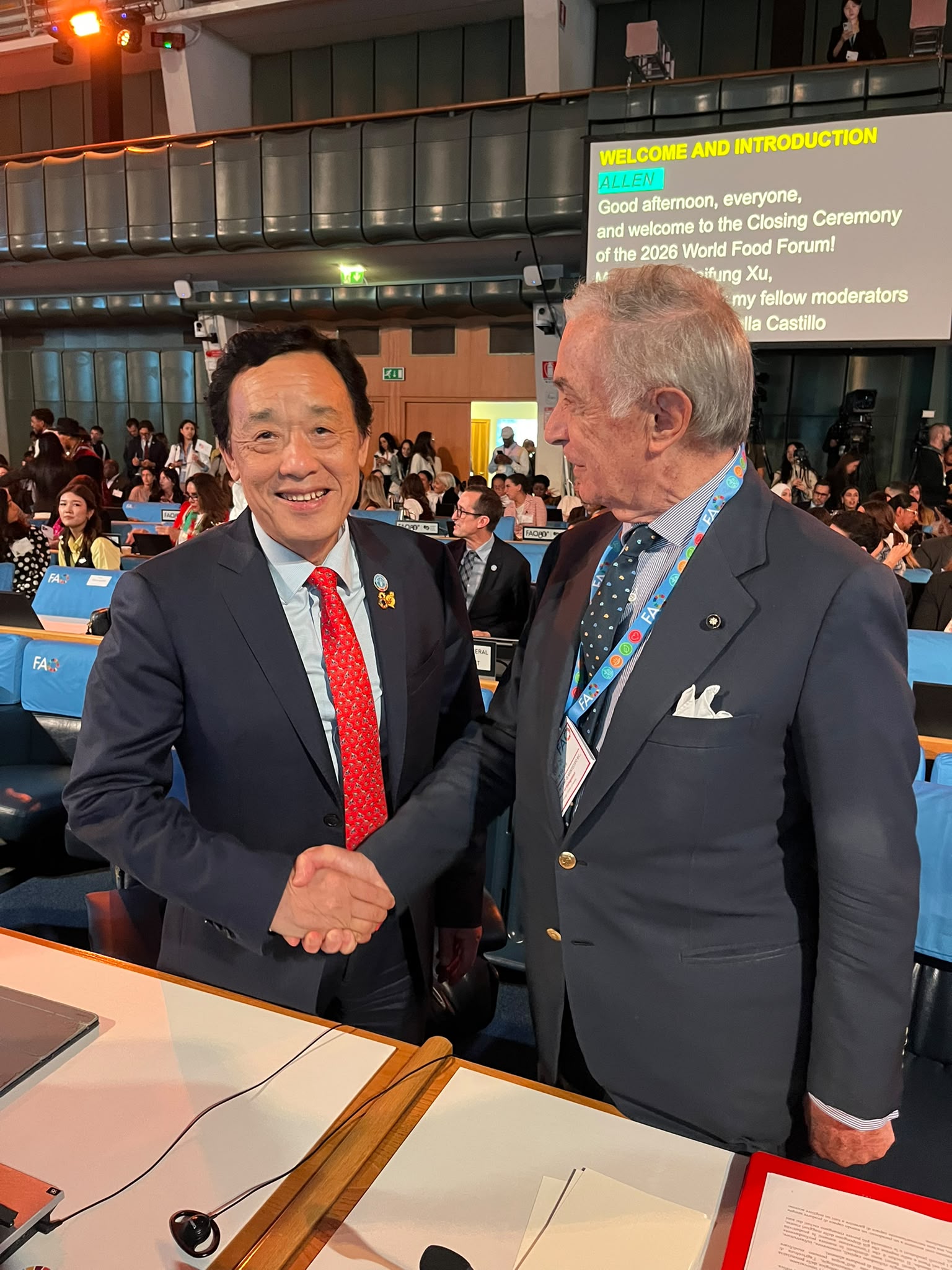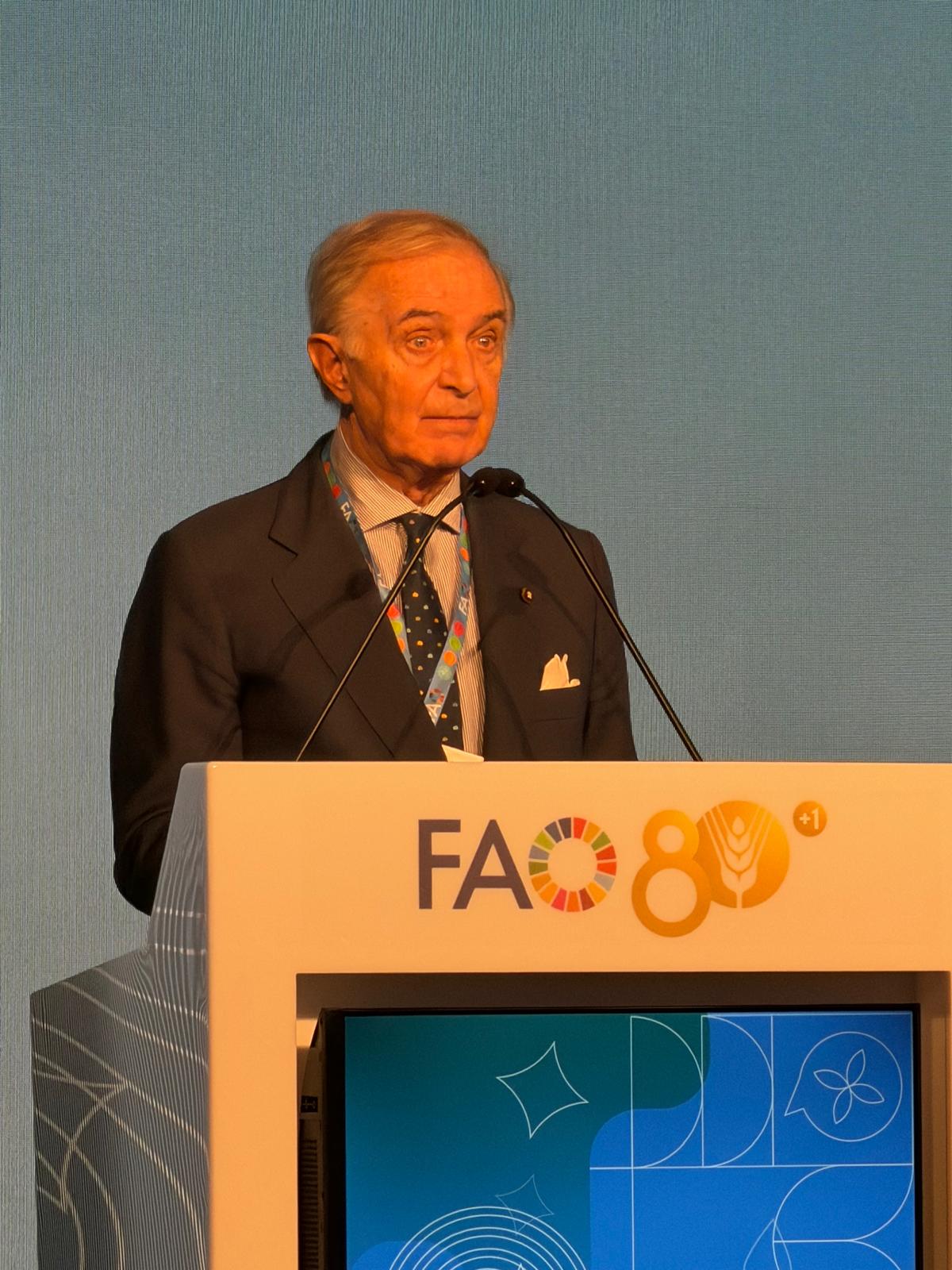
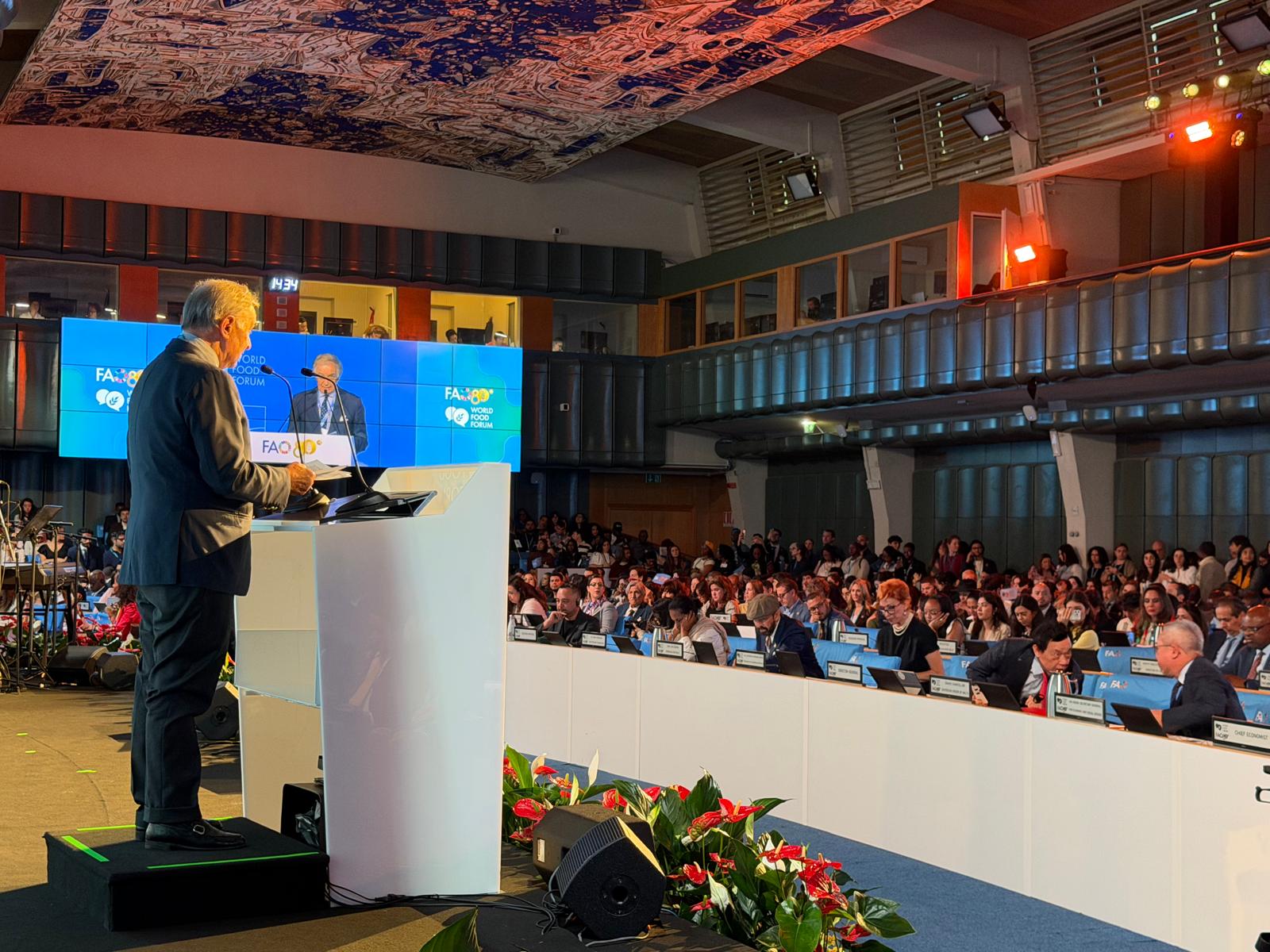

The Grand Chancellor of the Sovereign Military Order of Malta, Riccardo Paternò di Montecupo, spoke today at the closing ceremony of the World Food Forum 2026, organized by the Food and Agriculture Organization of the United Nations (FAO) at its headquarters in Rome.
The forum, entitled “Innovate today. Nourish tomorrow”, brought together representatives of governments, international organizations, the scientific world, financial institutions, the private sector and civil society.
During the concluding session, the Grand Chancellor stressed the need to address hunger not only from the perspective of food production and distribution, but also through broader reflection on the political responsibilities of the international community.
«Hunger is not always just the consequence of what is missing. It can also be the consequence of what is deliberately denied,» said Paternò di Montecupo, recalling how access to food, water, agricultural infrastructure and humanitarian aid can become an instrument of political and military pressure in contemporary conflicts.
Recalling data from the FAO 2026 report, according to which approximately 645 million people suffered from hunger in 2025 and 2.7 billion cannot afford a healthy diet, the Grand Chancellor said that food security is an issue increasingly closely linked to international stability, conflict prevention and the protection of human dignity.
Ample space was also dedicated to the opportunities and risks of technological innovation, a common thread running through the 2026 edition of the Forum. Artificial intelligence, biotechnology, precision agriculture and new water-management systems offer extraordinary possibilities for improving food production. Nevertheless, without equitable access to knowhow, infrastructure and investment, these innovations risk above all benefiting countries and businesses that already have greater resources, leaving behind small producers and the most vulnerable communities.
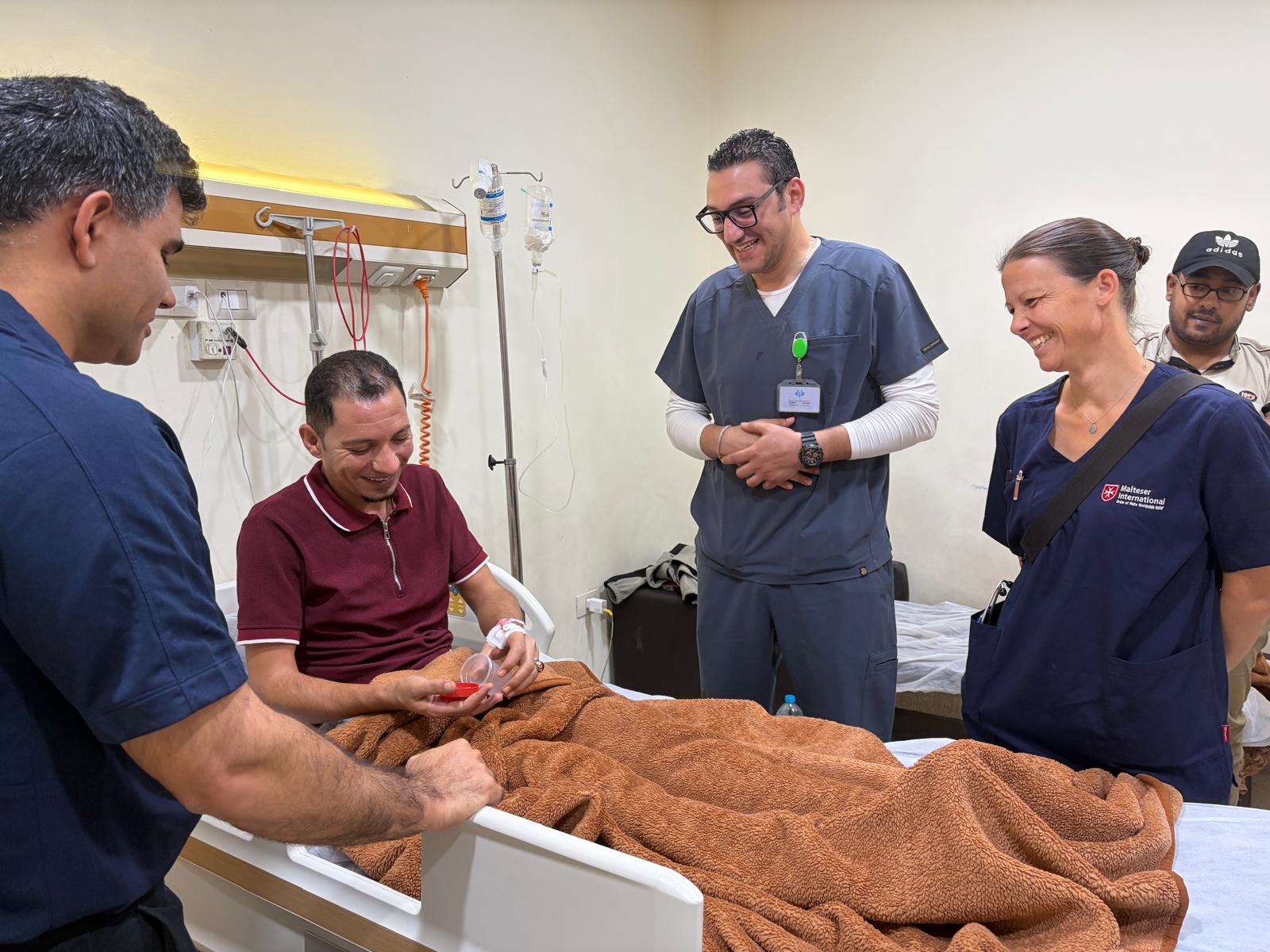
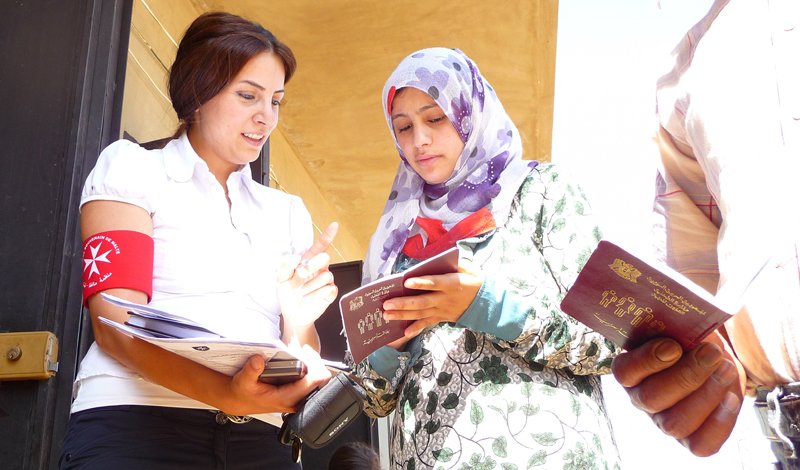
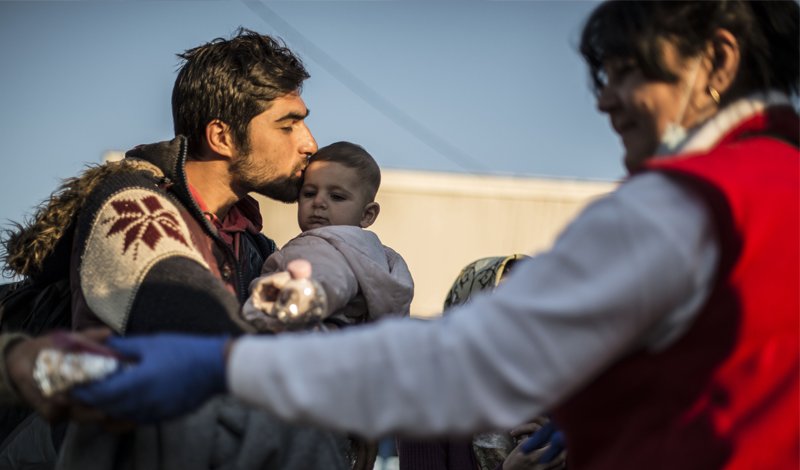
Finally, Paternò di Montecupo illustrated the Order of Malta’s contribution to combating food insecurity through its humanitarian organizations and diplomatic network. From Africa to the Middle East, the Order supports vulnerable communities through food-security programmes, access to safe drinking water, seed distribution and support for local agriculture. The activities of Malteser International in Nigeria, South Sudan, Kenya and the Democratic Republic of the Congo, as well as the programmes to support agricultural producers in Lebanon, were cited.