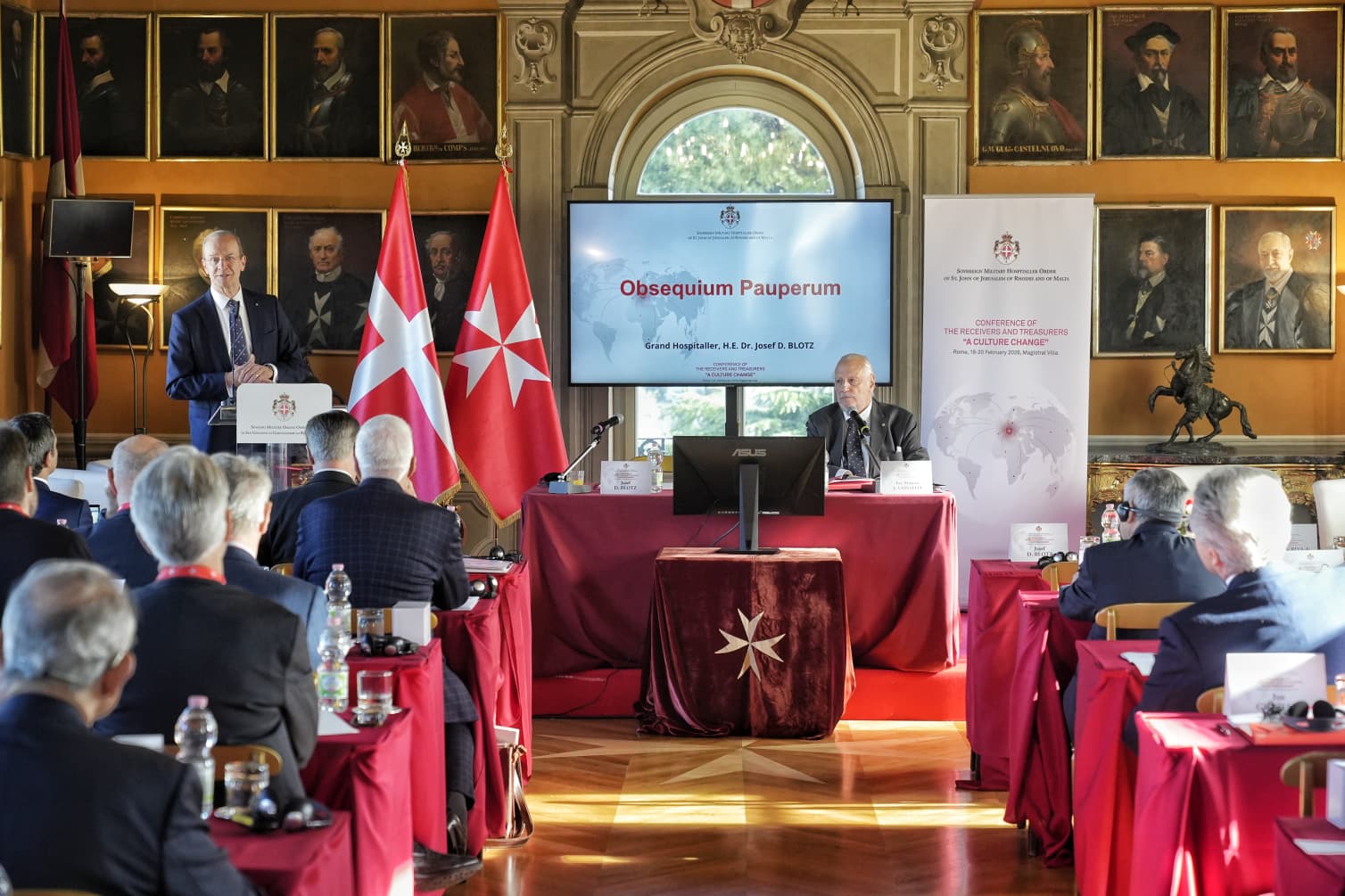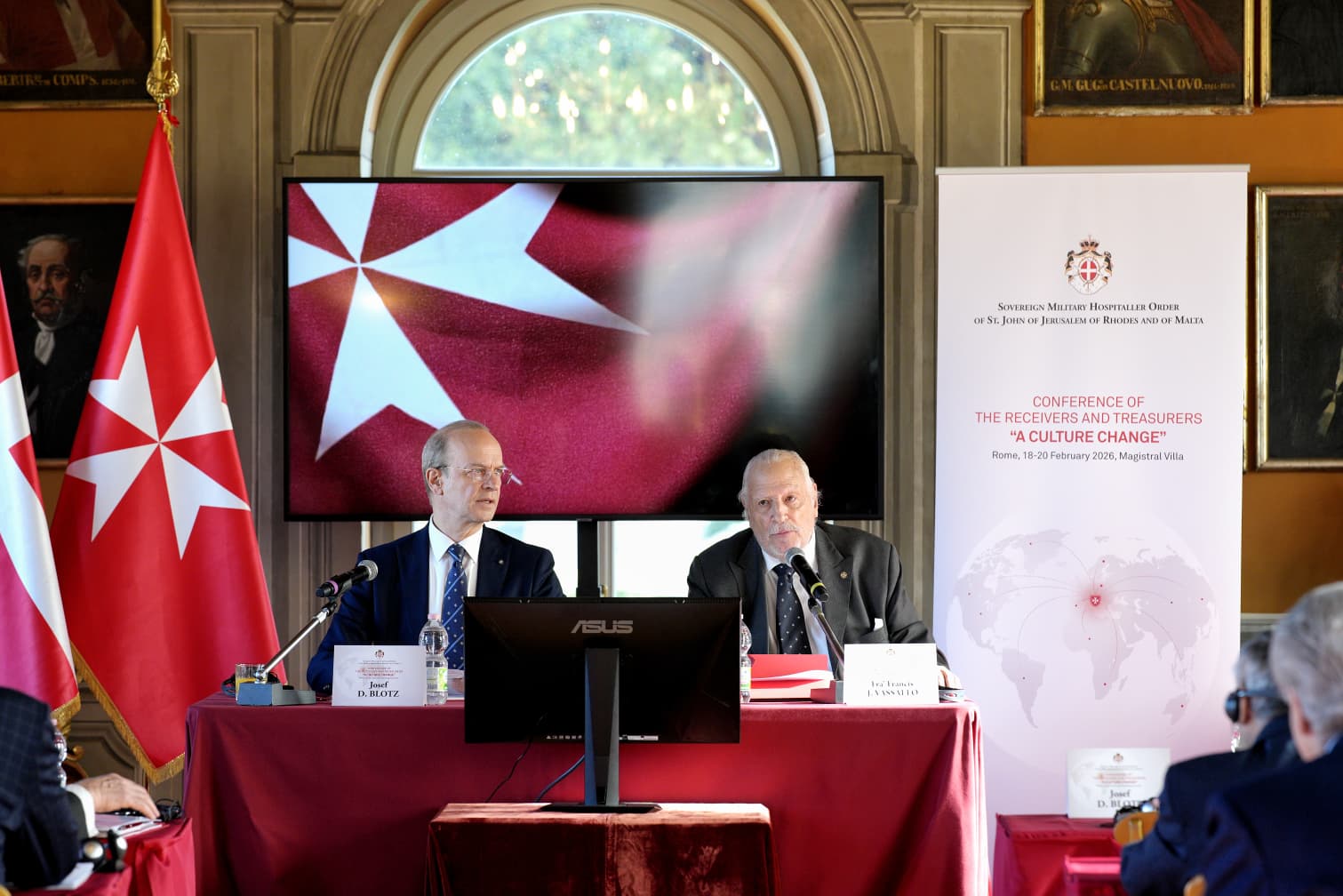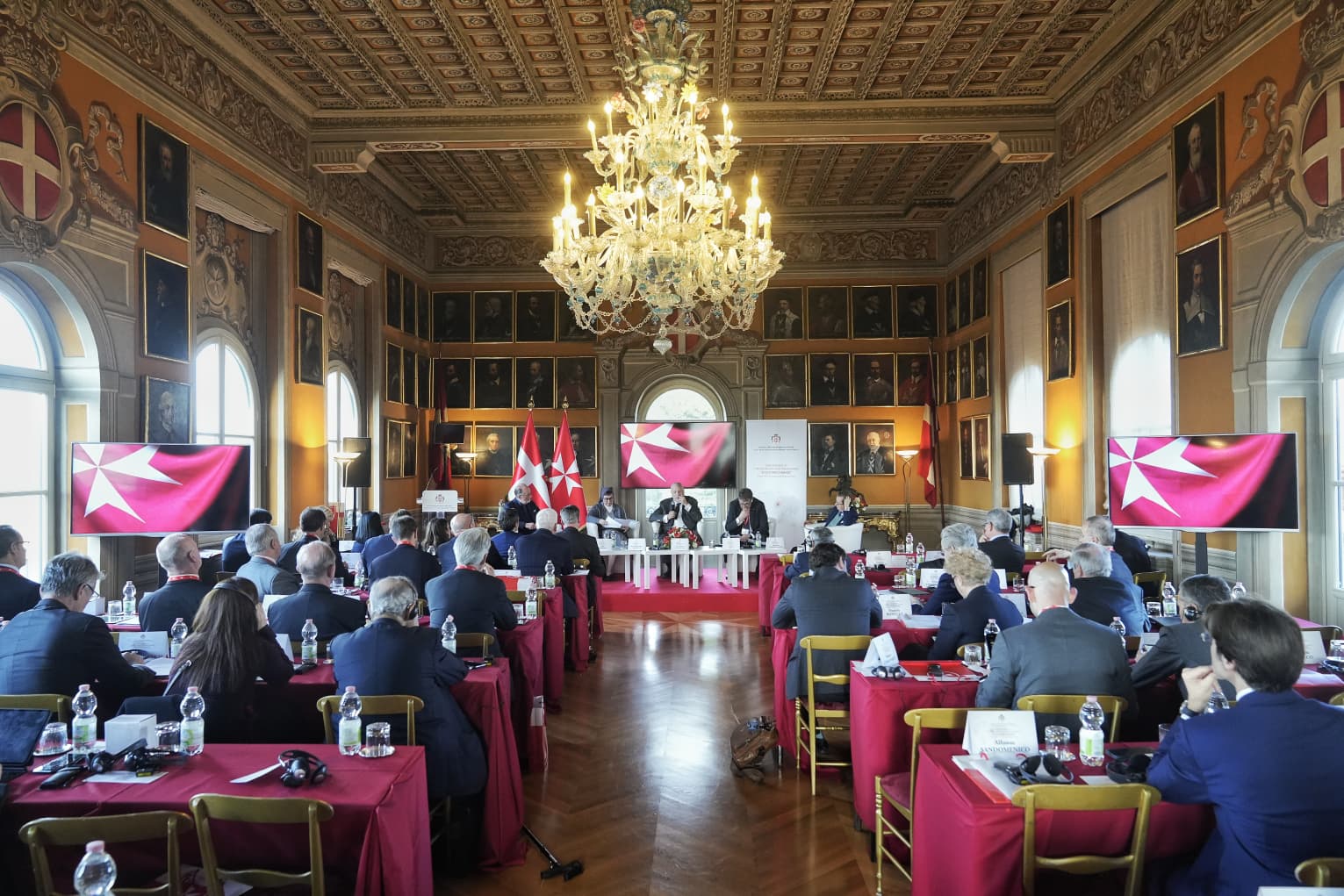
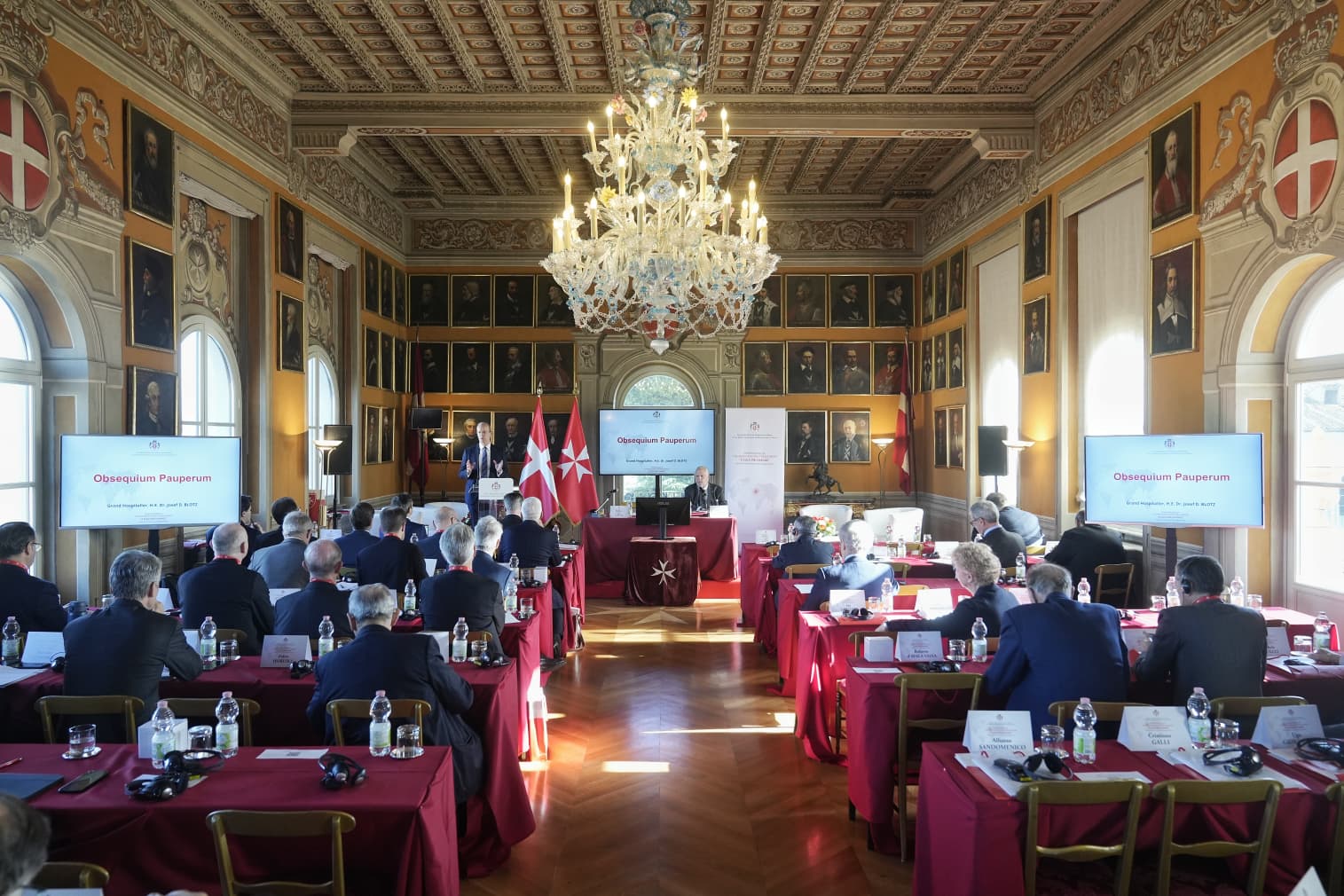
The first international conference of Receivers and Treasurers of the Sovereign Military Order of Malta, entitled “A Culture Change”, concluded today at the Magistral Villa on the Aventine Hill. The conference brought together in Rome the leaders of the 49 National Associations and 10 Priories, involved in managing the Order’s resources and coordinating its humanitarian activities worldwide.
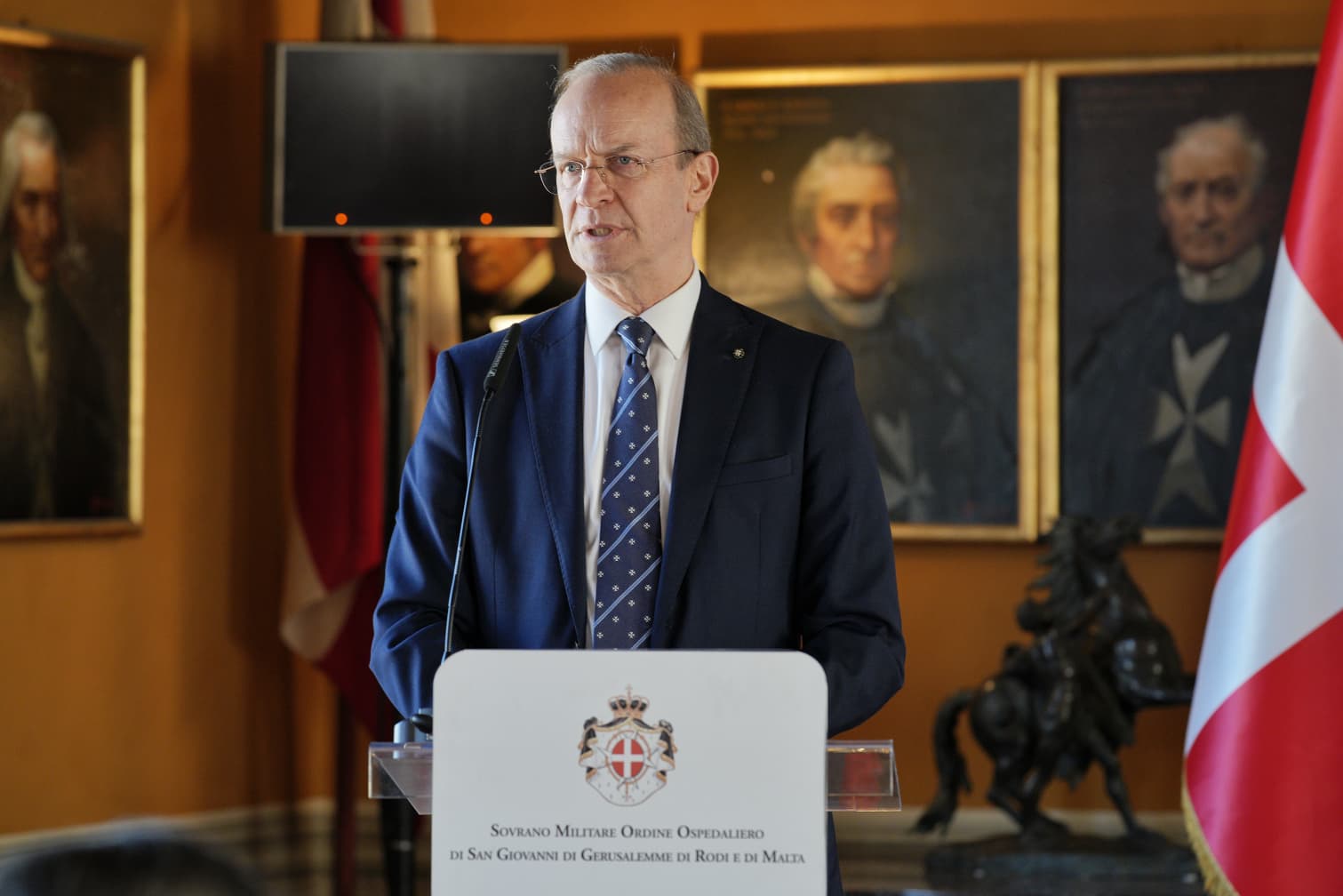
The morning opened with a speech by the Grand Hospitaller, Josef D. Blotz, dedicated to Obsequium Pauperum, the service to the poor and sick that forms the heart of the Order’s mission in the 130 countries where it is present. In his contribution, he recalled the distinctive features of the Order’s work – to help, to support one another, to pray, to persevere and to be modern in faithfulness to its tradition – indicating several strategic priorities. These include focussing on crisis areas such as the Holy Land and Ukraine, promoting the sustainability and resilience of the works, looking after resources, acknowledging the centrality of the spiritual dimension and strengthening the cooperation network.
«We are proud of our heritage, our tradition and our history, but above all proud of what we do. We must unite, speak with one voice: unity of purpose, unity of message».
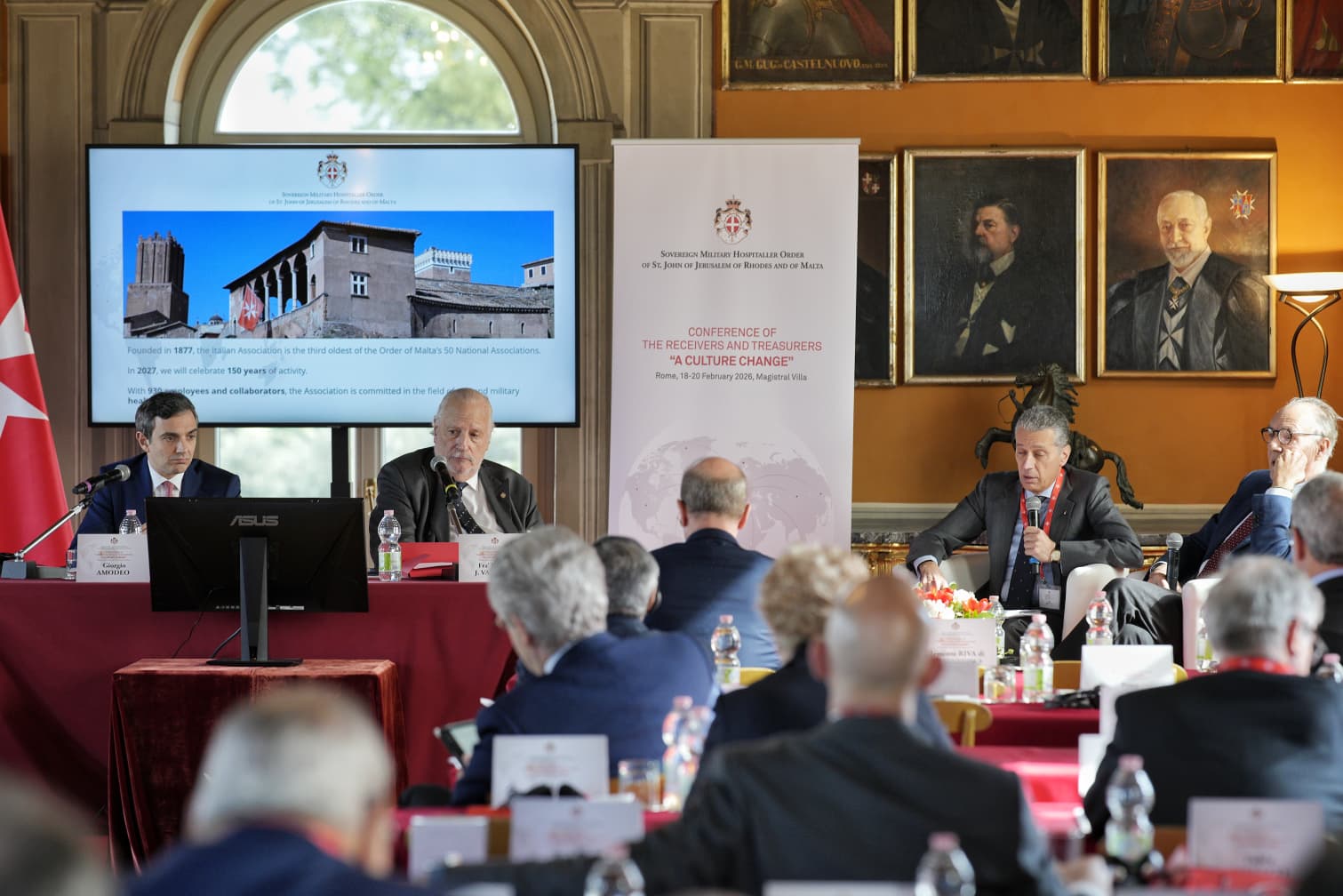
Lorenzo Borghese and Fabio Bifulco, President and Treasurer respectively of the Order of Malta’s Italian Association, then took the floor, offering an overview of the Association’s activities and organizational model, now one of the Order’s most structured organizations. The core of its activities is the San Giovanni Battista Hospital, specializing in neurological and motor rehabilitation and integrated with the public service, flanked by a network of outpatient clinics and multispecialty centres. In the wake of “culture change”, it was stressed how healthcare development, economic sustainability, clear division of responsibilities and ongoing dialogue with the Grand Magistry represent guidelines of a growth that combines solid management and service to patients, a tangible expression of Obsequium Pauperum.
Following this, the Secretary General of the Common Treasure, Giorgio Amodeo, highlighted the issue of “culture change” and its impact on the organizational structure, emphasizing the need for a concrete governance commitment to ensure sustainable change. It is necessary “to reverse the pyramid”, placing the centre at the service of operational realities to strengthen credibility and coherence. A call to support this new operational phase, reminding that credibility arises from transparency and a close synergy between the Grand Magistry and local situations. «Everything we do is essentially instrumental in supporting our volunteers so they can best carry out their projects».
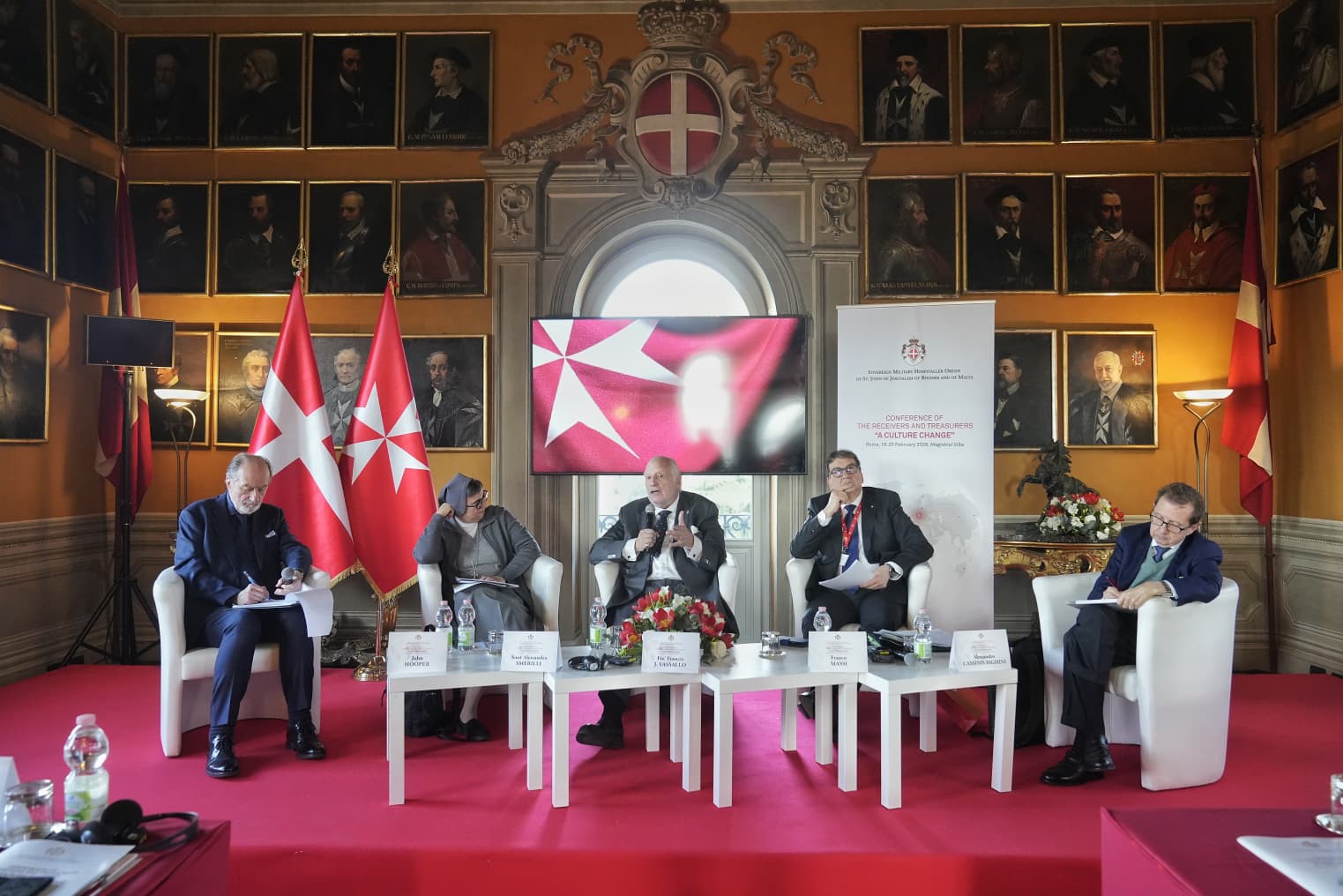
In the afternoon, present at the round table “Governance and Transparency in Complex Institutions: Perspectives from the Public Sector and the Holy See” were Fra’ Francis J. Vassallo, Receiver of the Common Treasure, Sister Alessandra Smerilli, Secretary of the Dicastery for Promoting Integral Human Development, Dr. Alessandro Cassinis Righini, Auditor General of the Holy See and Vatican City State, and Prof. Franco Massi, Secretary General of the Court of Auditors. Moderating the debate was John Hooper, the Economist’s correspondent for Italy and the Vatican.
One of the salient points of the debate was that organizations such as the Order of Malta and other religious institutions must combine mission and economic sustainability, preventing the pursuit of productivity from compromising their founding values. The importance of transparency, clear communication and shared governance was stressed, drawing on experiences of the Holy See and the Italian Court of Auditors. The discussion highlighted the need to differentiate strategies according to the unique characteristics of each situation and to develop medium to long term sustainability plans.
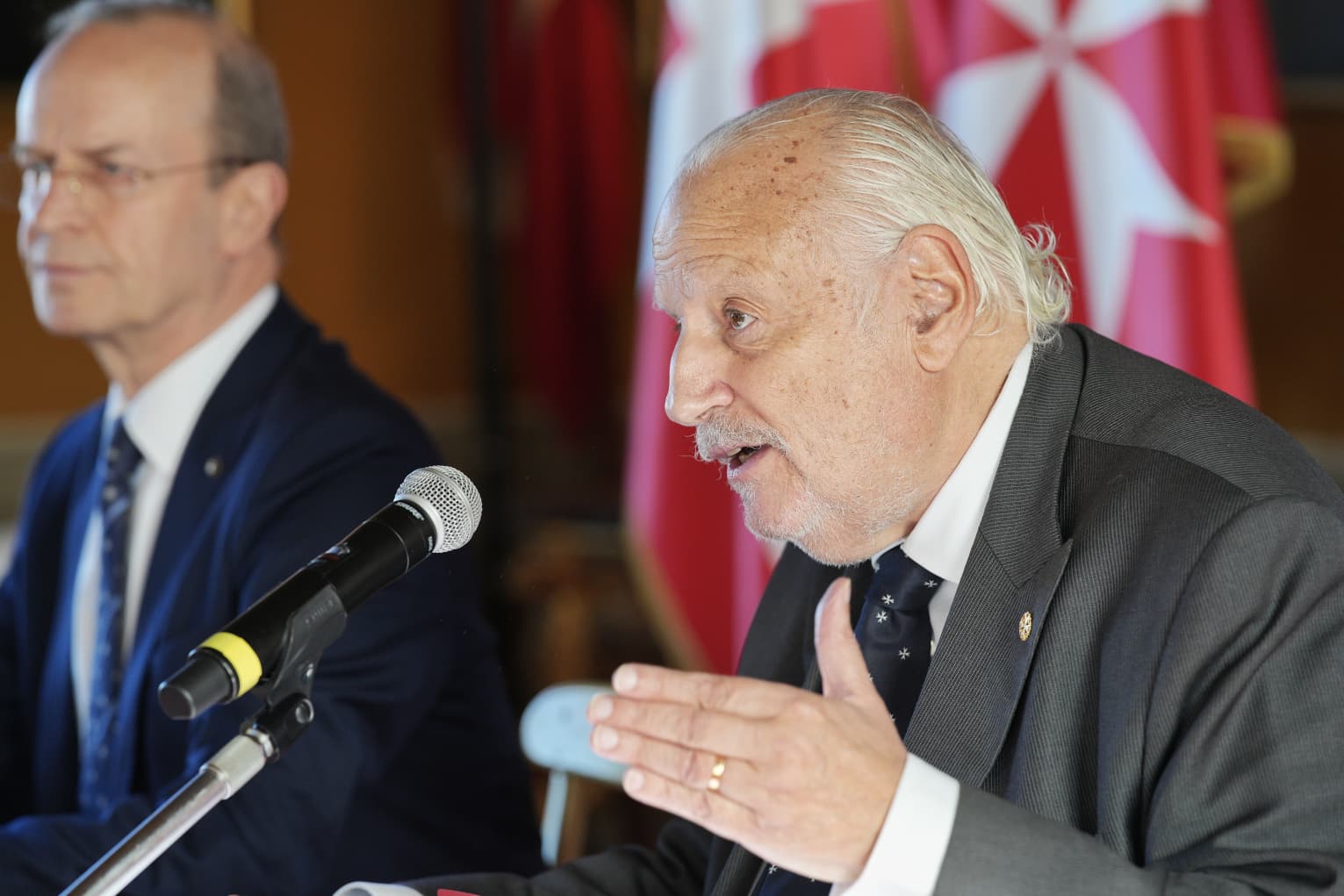
Fra’ Francis Vassallo concluded the meeting, inviting everyone to be responsible for preserving and strengthening a spiritual and material heritage created over nine centuries of history.
The three days in Rome confirmed that sound financial governance, founded on transparency, accountability and cooperation, is an essential condition for effectively supporting the Order’s Obsequium Pauperum and its work in serving the poor and sick worldwide.