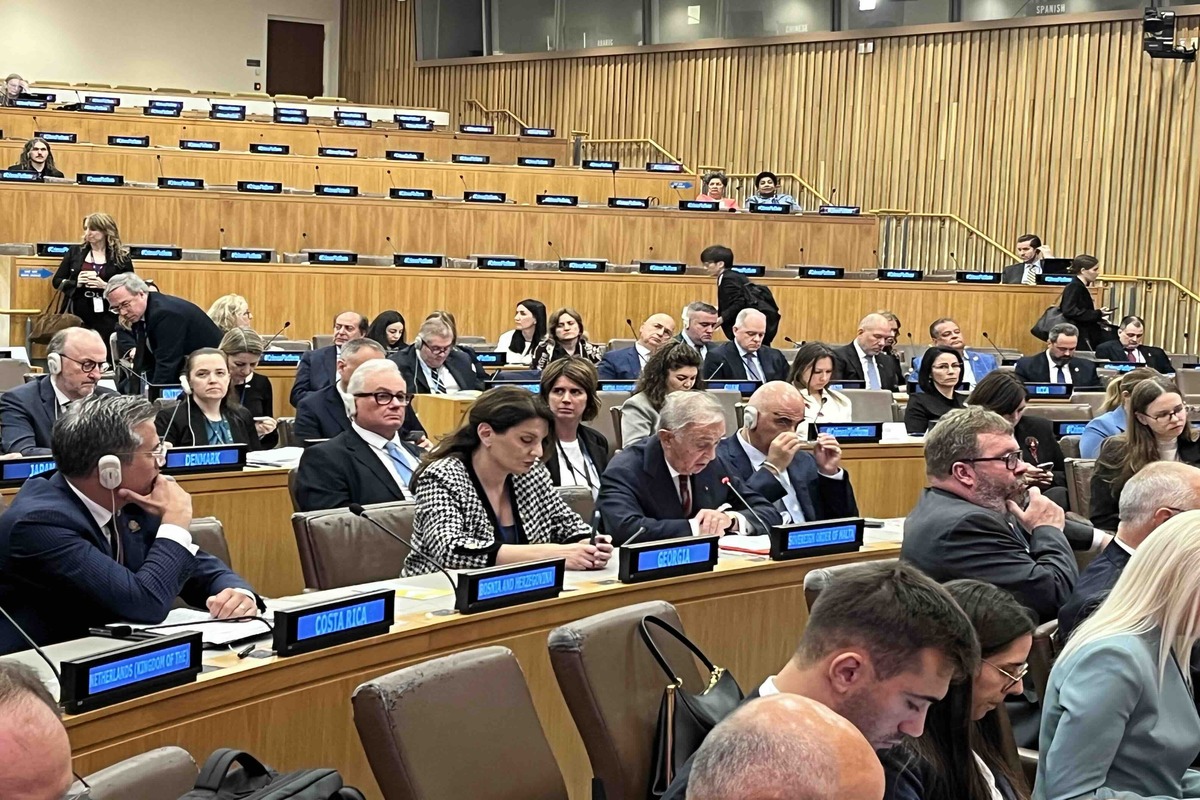

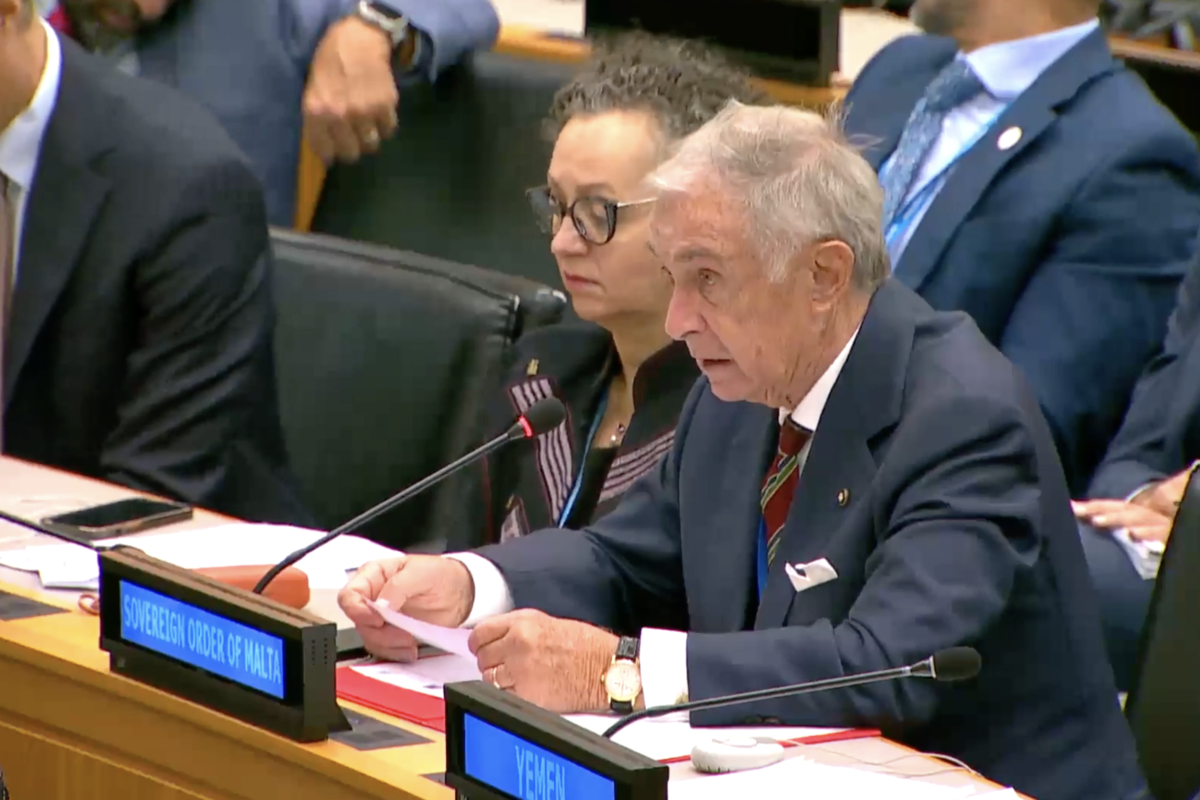
The Order of Malta, with Grand Chancellor Riccardo Paternò di Montecupo, participated with a packed agenda of meetings and bilateral agreements in the opening week of the 81st session of the United Nations General Assembly in New York.
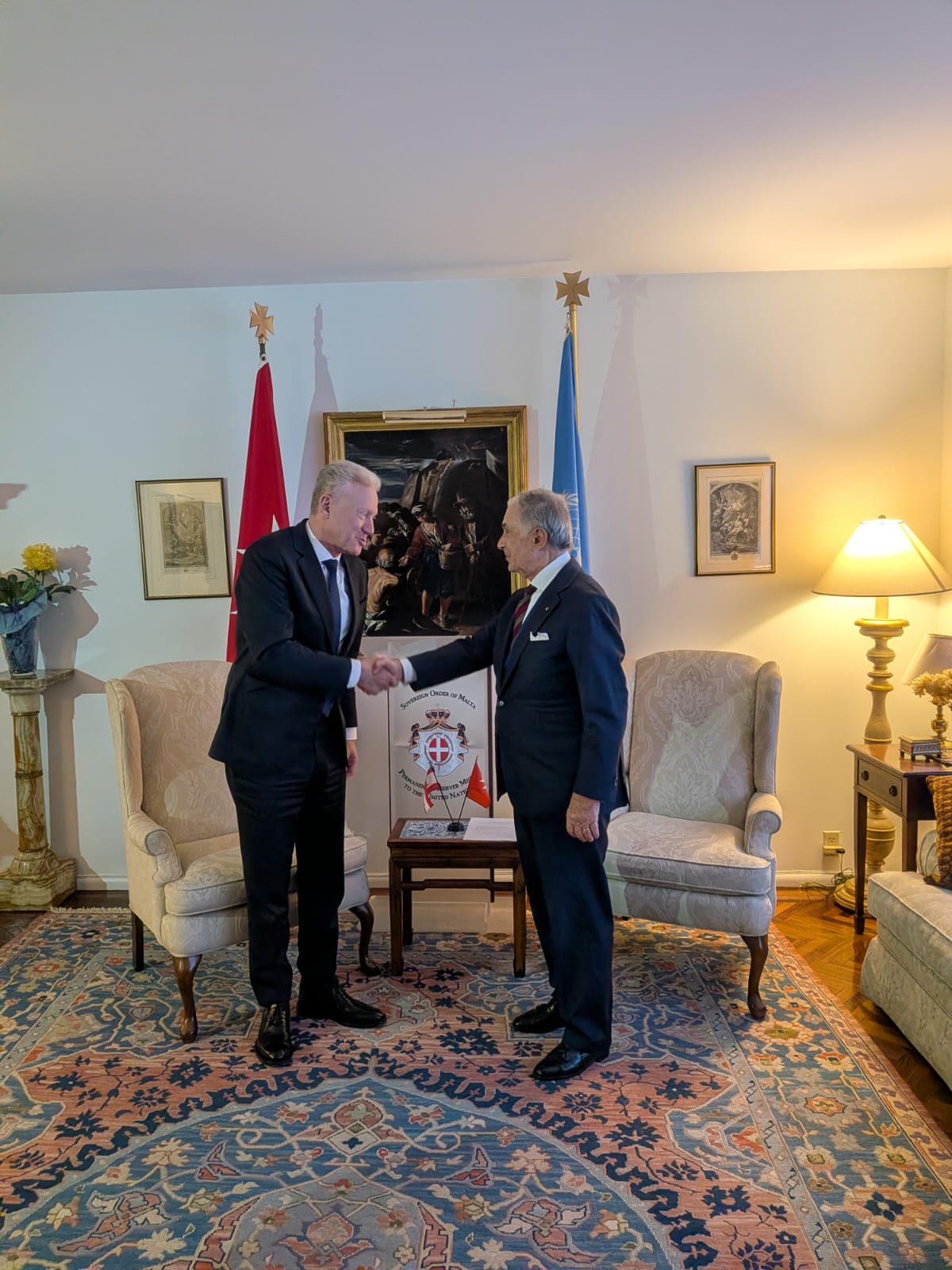
Yesterday, one of the most significant bilateral meetings was with Lebanon’s Minister for Foreign Affairs and Emigrants, Youssef Raggi. The Order of Malta plays a leading role in social services and humanitarian aid in this country, with which it has enjoyed diplomatic relations for over 70 years. It is involved in 60 projects in the health, social and agricultural sectors. Particularly significant are the Lebanese Association’s emergency health and social measures carried out in southern Lebanon since the beginning of the current crisis.
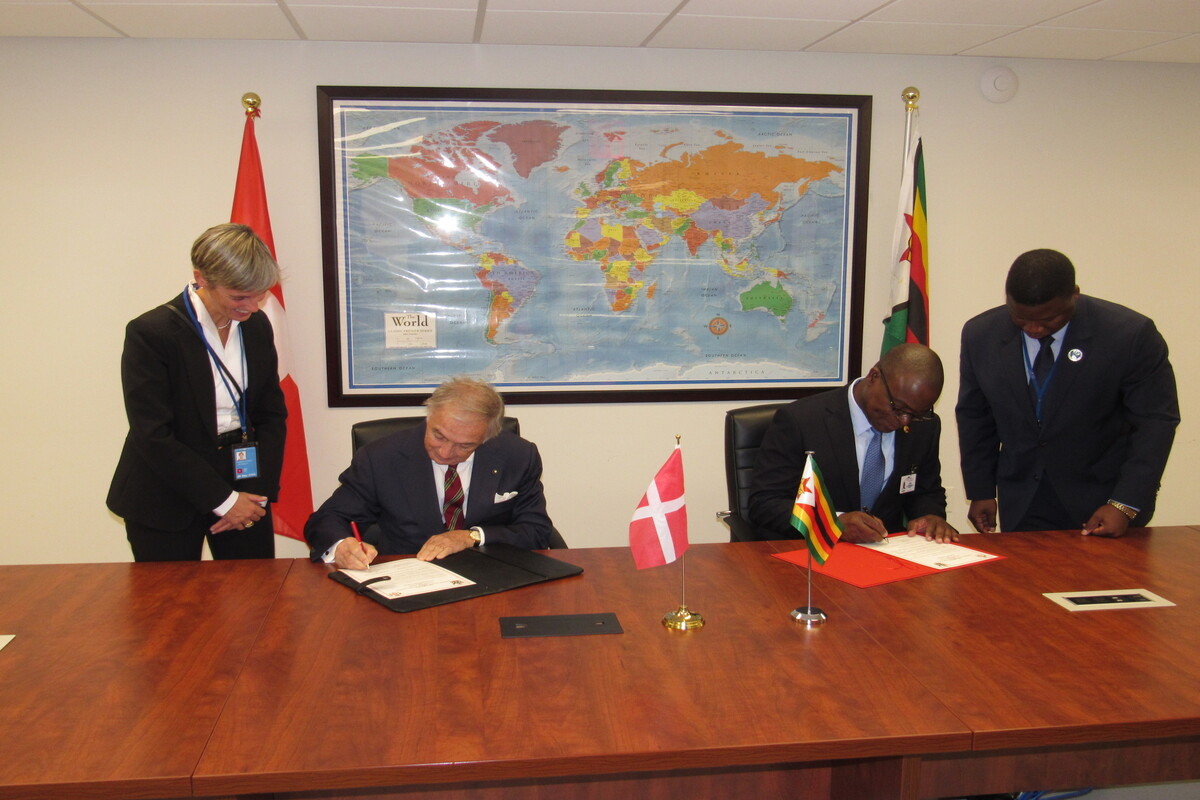
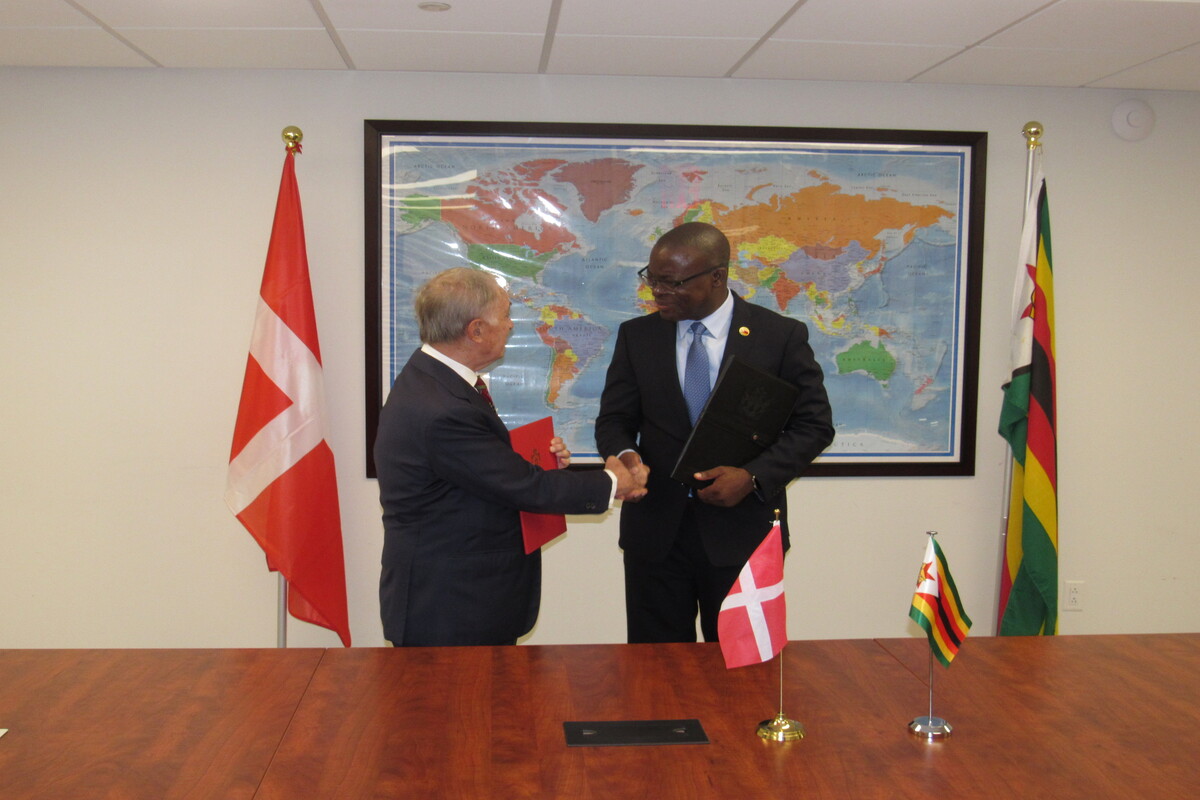
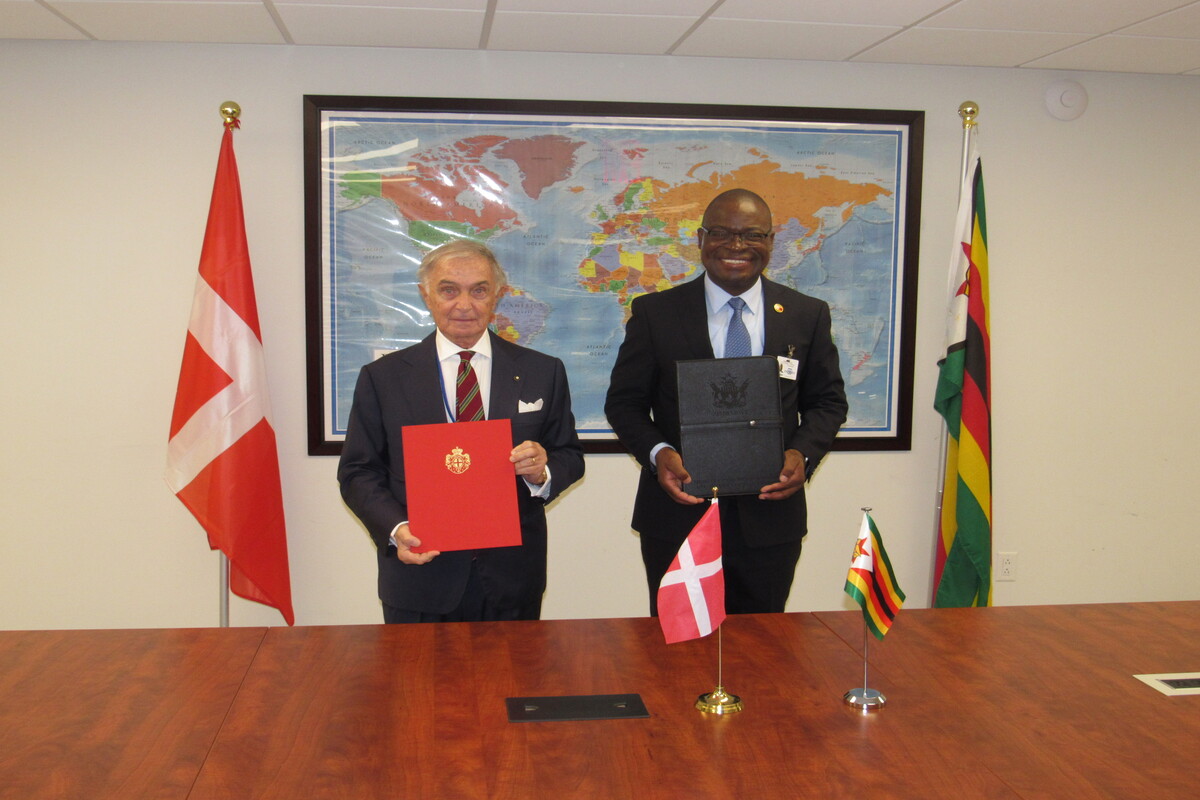
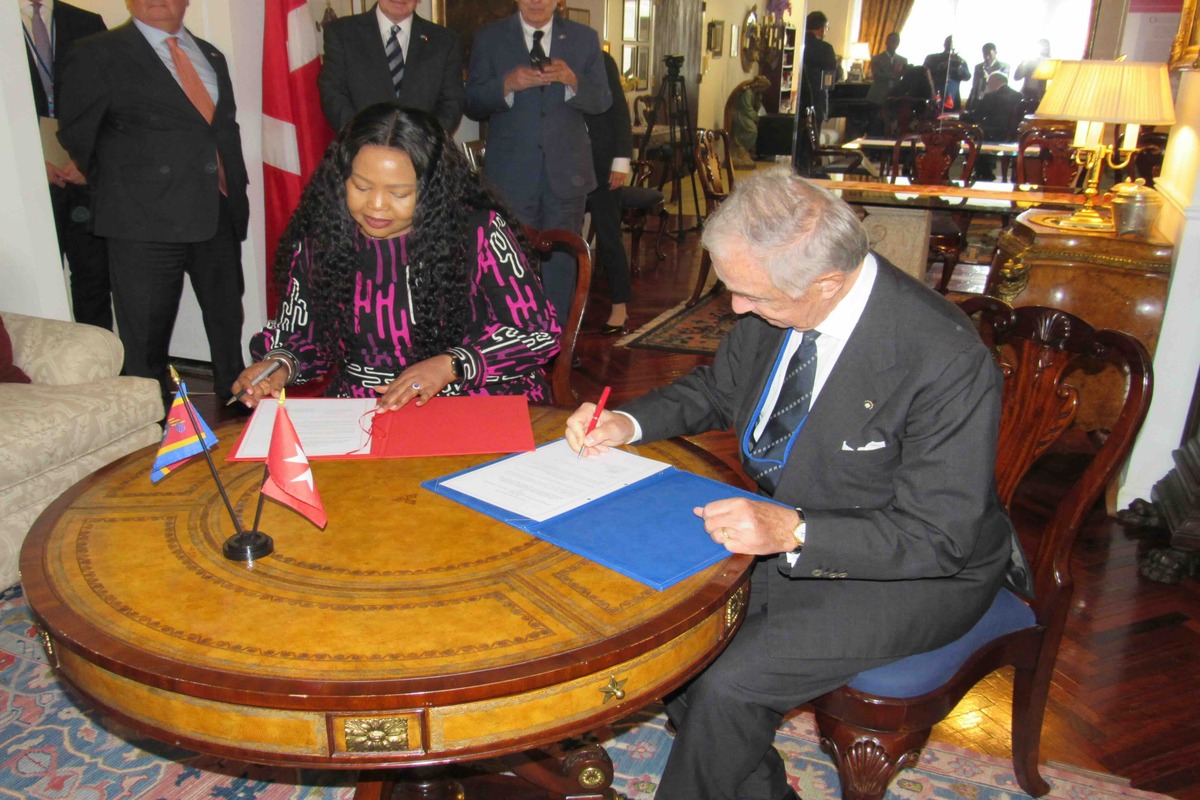
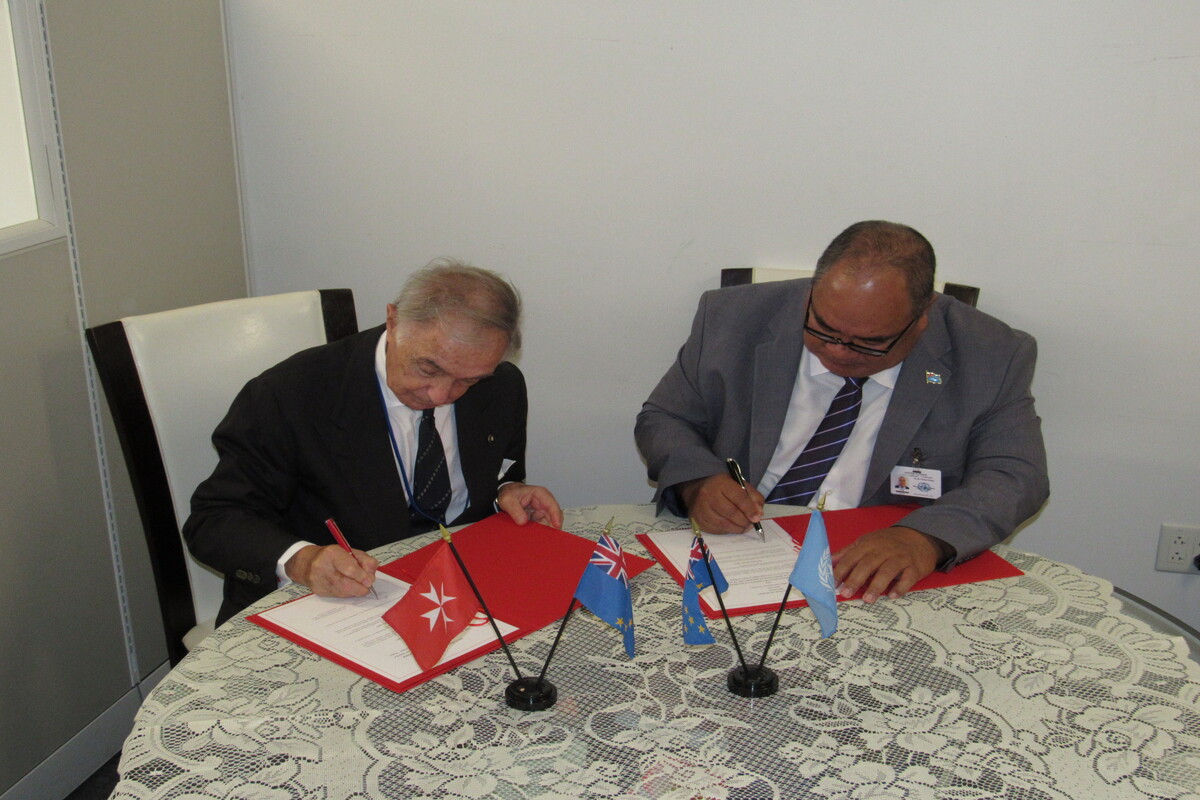
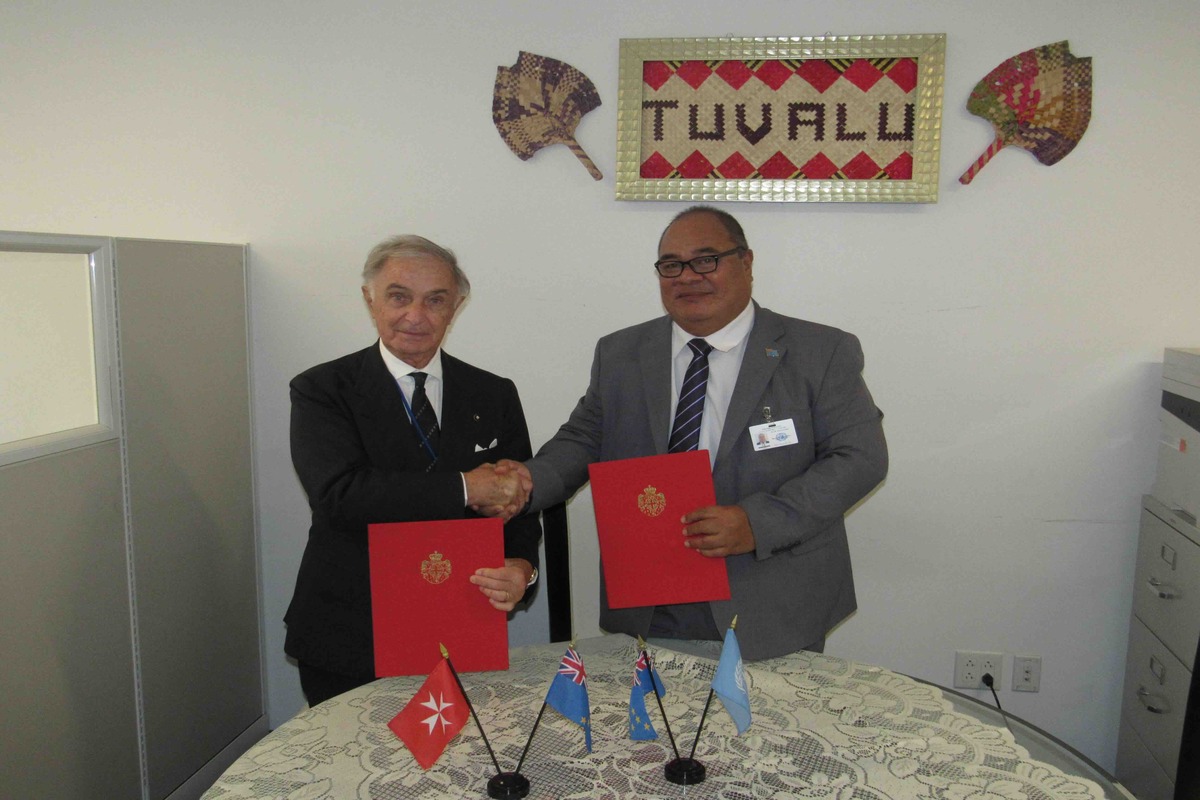
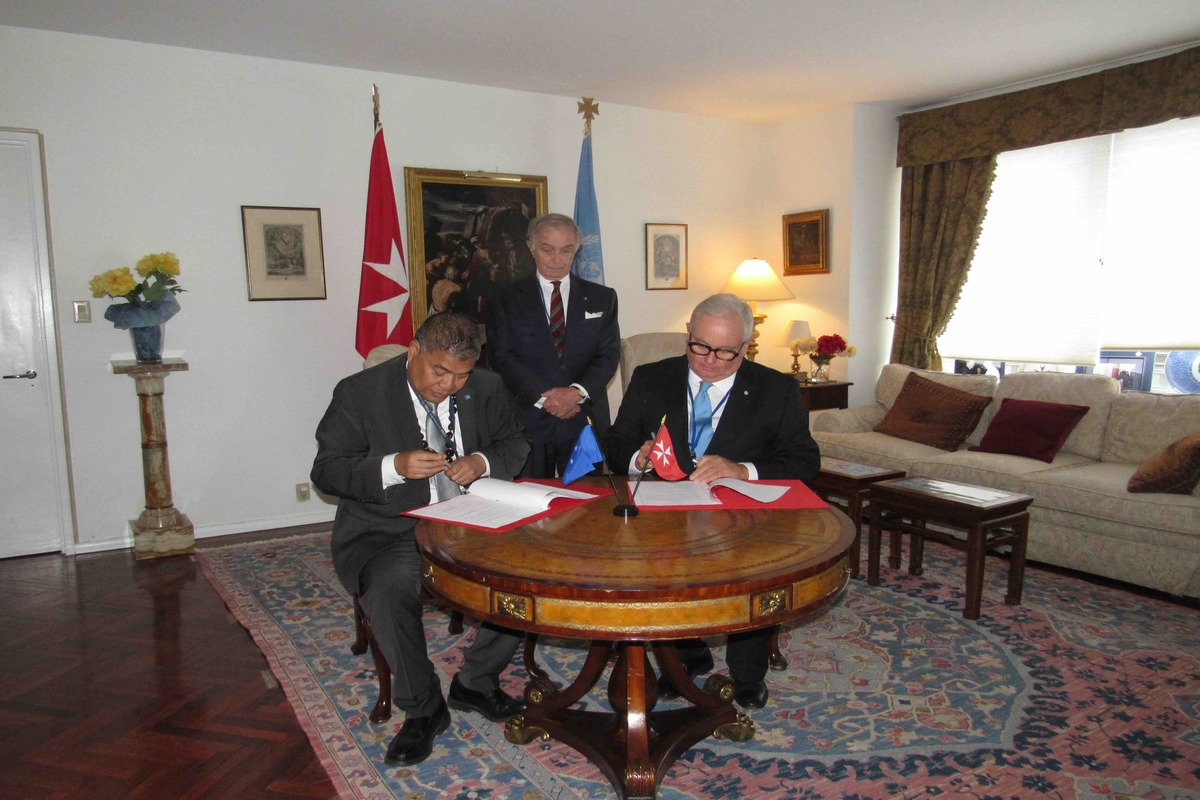
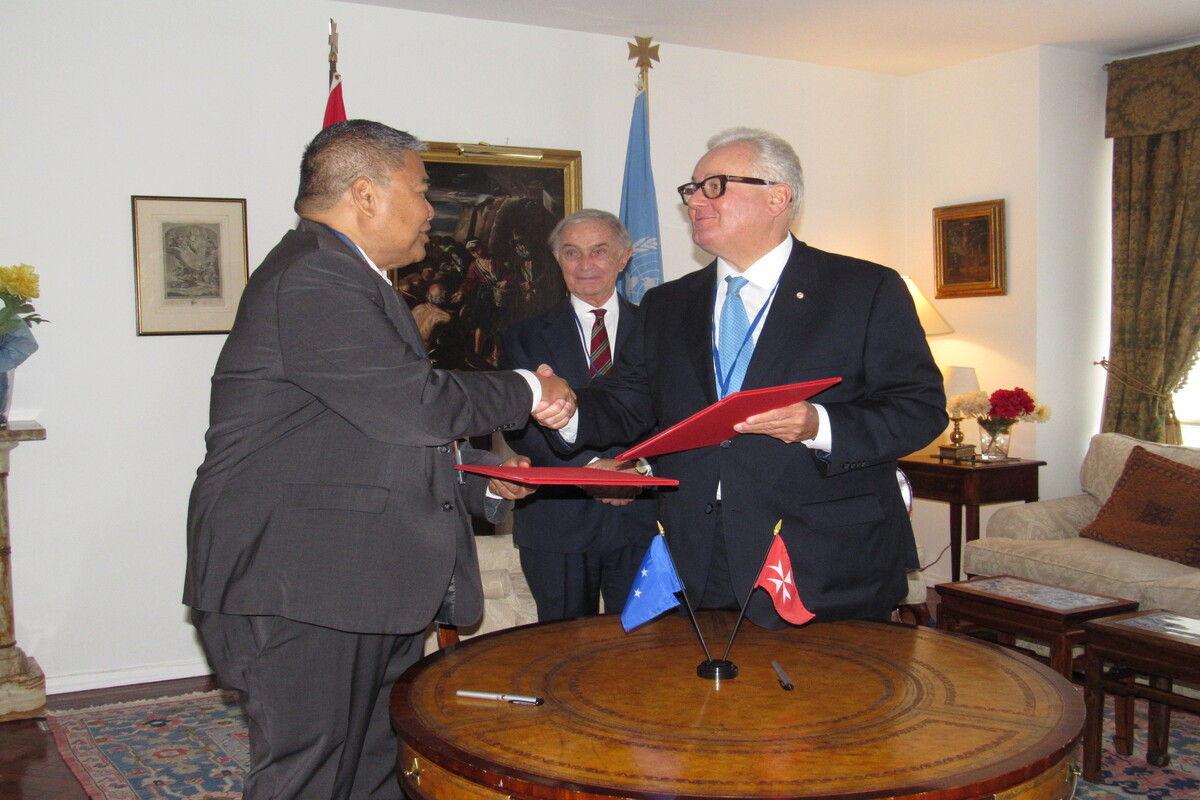
The Grand Chancellor also signed an agreement with the Foreign Minister of Zimbabwe for opening diplomatic relations. With this agreement, the number of countries with which the Order maintains diplomatic relations in Africa rises to 40. In this context, two Declarations of Intent were signed for opening diplomatic relations with the Foreign Ministers of Eswatini and Tuvalu respectively.
A Cooperation Agreement with the Federated States of Micronesia was signed by the Secretary-General for Foreign Affairs, Ambassador Giampaolo Cantini, with the Permanent Representative to the United Nations, Ambassador Jeem Lippwe. This understanding lays the foundation for new joint initiatives to build resilience, promote sustainable development and support the most vulnerable communities with regards to increasingly complex global challenges, in line with the priorities of the Pacific Islands Forum.
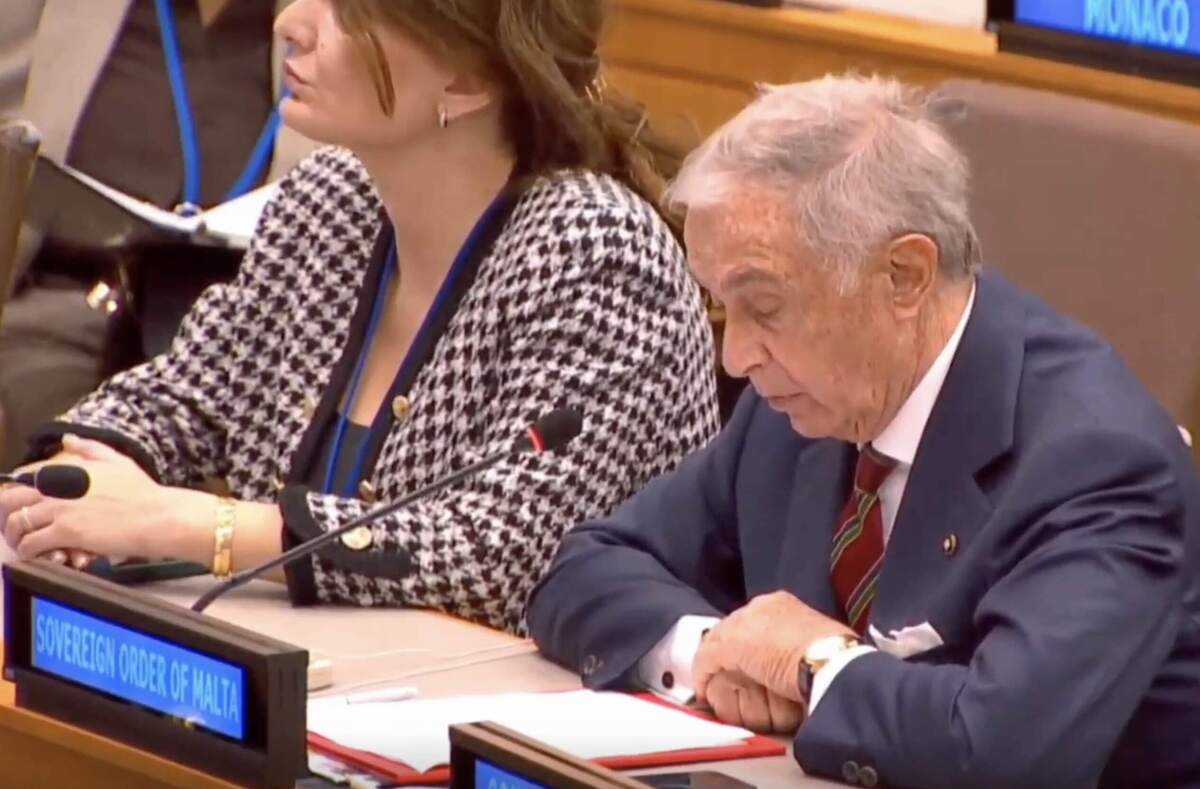
Yesterday, the Grand Chancellor also spoke at two key forums for the Order’s humanitarian work. At the invitation of Ukrainian President Volodymyr Zelenskyy, the Grand Chancellor attended the 6th Summit of the Crimea Platform. “Meetings like this,” the Grand Chancellor said, “are essential instruments to ensure that the protection of human rights and fundamental principles of international law remain firmly at the heart of the international agenda and that the international community’s focus on the ongoing war does not diminish over time.” The Order has always supported efforts to reaffirm the central role of the United Nations and the multilateral system in promoting international peace and security. This commitment is also reflected in the humanitarian activity conducted in Ukraine, where the Order has been present since the beginning of the conflict with medical, social and psychological assistance programmes and support for the most vulnerable.
The relationship between diplomacy and humanitarian action was also at the centre of the Grand Chancellor’s intervention at the high-level meeting “Humanitarian Diplomacy in Practice: Diplomacy as an Enabler of Humanitarian Action”, convened on the initiative of Saudi Arabia. The meeting provided an opportunity to explore the role that diplomacy can play in facilitating humanitarian action, especially in crisis and conflict contexts, and to confirm the importance of respect for international law, and in particular international humanitarian law.